


Wireless Fire Alarm System Components Explained
Wireless fire alarm systems have become increasingly popular because they offer flexible installation reliable communication and modern safety features without the need for complicated wiring. Understanding how these systems work begins with learning about the key components that make them function effectively. Each device plays an important role in detecting fire sending signals and alerting occupants. This guide explains every major component of a wireless fire alarm system in simple language so beginners can understand how everything works together to protect a home or business.
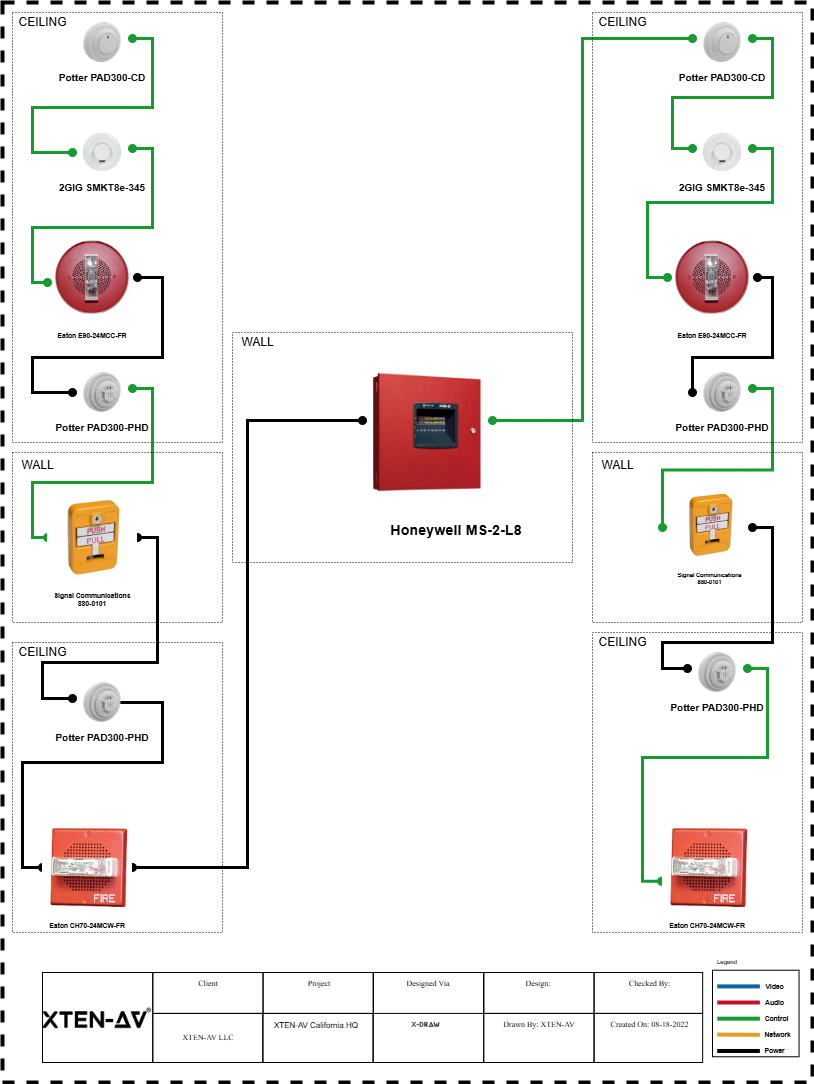
Control panel or fire alarm hub
The control panel often called the hub is the brain of the wireless fire alarm system. It receives signals from all connected devices makes decisions and sends alerts. This panel continuously monitors the status of each sensor and checks for communication issues low battery signals or tampering. In wireless systems the control panel uses radio frequency communication to connect with sensors throughout the building. Some modern control panels are smart enabled and allow users to receive mobile alerts access cloud monitoring or integrate the alarm with other smart devices.
Smoke detectors
Smoke detectors are essential components of any fire alarm system. Wireless smoke detectors sense smoke using optical photoelectric or ionization technology. Photoelectric sensors detect slow smoldering fires while ionization sensors detect fast flaming fires. Many modern wireless alarms combine both technologies for more accurate detection. When the detector senses smoke it sends a wireless signal to the control panel which then triggers alarms and alerts. These sensors are usually battery powered and include test buttons and low battery warnings.
Heat detectors
Heat detectors are used in areas where smoke detectors may not be suitable such as kitchens garages or dusty environments. Wireless heat detectors come in two types fixed temperature and rate of rise. Fixed temperature sensors activate when the room reaches a specific temperature. Rate of rise detectors trigger when the temperature increases too quickly. These sensors help reduce false alarms caused by steam dust or cooking smoke while still providing fire protection.
Carbon monoxide detectors
Many wireless fire alarm systems include carbon monoxide detectors as part of the safety network. Carbon monoxide is a deadly gas that has no color or smell making detection essential. These wireless CO detectors measure gas levels continuously and send alerts to the control panel if unsafe levels are detected. Some sensors combine smoke and CO detection in one device adding convenience and reducing installation costs.
Wireless manual call points
A manual call point also called a manual pull station allows occupants to trigger the fire alarm manually during an emergency. Wireless manual call points use radio communication to send distress signals instantly to the control panel when someone activates them. They are often installed near exits hallways or common areas and provide a backup method to start the alarm if automatic sensors fail or if someone spots danger first.
Sounders and sirens
Sounders produce the loud audible alerts that notify people of fire inside a building. Wireless sirens can be placed anywhere without wiring and connect directly to the control panel through radio signals. Their main purpose is to ensure everyone in the area can hear the alarm clearly. Many wireless fire alarm systems pair sirens with strobe lights which help alert individuals with hearing difficulties or in noisy environments. Some systems allow multiple sounders placed across floors for stronger coverage.
Strobe lights and visual indicators
For environments where loud alarms alone are not enough visual indicators are essential. Wireless strobe lights flash brightly during an alarm helping alert people who are deaf or hard of hearing. They are also useful in loud industrial settings or large commercial spaces. These devices receive activation signals from the control panel and operate instantly during fire emergencies.
Repeater units or signal boosters
Repeater units extend the communication range of wireless fire alarm systems. In large buildings thick walled structures or multi floor environments signal boosters help maintain strong connectivity between sensors and the control panel. They work by receiving the original signal and retransmitting it to cover long distances or bypass obstacles. Mesh network capable systems may automatically use sensors as repeaters making communication even more reliable.
Gateway or smart module
Smart wireless systems include a gateway or communication module that connects the fire alarm system to cloud services or mobile apps. This enables features like remote monitoring instant phone alerts and integration with smart home platforms. The gateway communicates with sensors internally using radio frequency and uses WiFi or cellular networks to send notifications externally. It provides extra convenience and control especially for homeowners and facility managers.
Backup power components
Because wireless systems rely on battery powered devices backup power is essential. Sensors use long lasting lithium batteries and provide low battery alerts. The control panel usually includes an internal backup battery that keeps the system running during power outages. Some systems also support external battery packs or solar charging for additional reliability. Backup power ensures that the system continues functioning even during emergencies when electricity may be interrupted.
Environmental sensors
Some advanced wireless fire alarm systems include environmental sensors such as temperature humidity and air quality detectors. While not directly related to fire detection these sensors provide valuable data that can help prevent false alarms and improve building safety. For example a temperature sensor can detect overheating in machinery rooms before a fire starts. These sensors communicate with the same control panel and integrate seamlessly with other alarm components.
Wireless communication chips
Inside each component is a wireless communication chip that handles radio signals. These chips ensure consistent communication by using encrypted protocols frequency hopping and interference avoidance technologies. They help prevent signal loss and maintain strong connectivity even in challenging conditions. Reliable wireless chips are one of the main reasons modern wireless fire alarms are highly dependable.
Alarm monitoring services
Many wireless systems can connect to professional monitoring stations. While not a hardware component monitoring services play an important role in system performance. When the control panel detects an emergency it sends alerts to the monitoring center where professionals dispatch fire services immediately. Wireless systems can use cellular or WiFi communication to transmit these alerts making the process fast and effective.
Smartphone app or control interface
Modern wireless systems often include a mobile app or touchscreen interface that allows users to monitor system status control settings and receive alerts instantly. These apps provide real time information about device health battery levels and potential faults. They also allow remote arming disarming or silencing of alarms improving overall convenience.
Integration modules for other systems
In homes and offices wireless fire alarms can integrate with other safety systems. Integration modules allow connectivity with security alarms access control lighting systems or sprinklers. For example an integrated system can unlock smart doors automatically during a fire to make evacuation easier. These modules communicate wirelessly with the control panel and improve overall building safety.
Conclusion
Wireless fire alarm systems rely on a combination of advanced components that communicate seamlessly to provide reliable fire protection. From sensors and control panels to repeaters and smart gateways every device plays a crucial role. Modern wireless technology ensures fast communication long battery life and simple installation making these systems suitable for homes offices and large buildings. Understanding the components helps you choose the right system and appreciate how each part contributes to a safe efficient fire detection network. Wireless systems represent the future of fire safety combining flexibility technology and strong performance to protect people and property.
Read more: https://sfero.me/article/what-is-wireless-fire-alarm-system

 English
 Arabic
 French
 Spanish
 Portuguese
 Deutsch
 Turkish
 Dutch
Dutch
 Russian
 Romaian
 Portuguese (Brazil)
 Greek
Greek