Sciatica Pain: Symptoms, Causes, and Treatment Options in Dallas
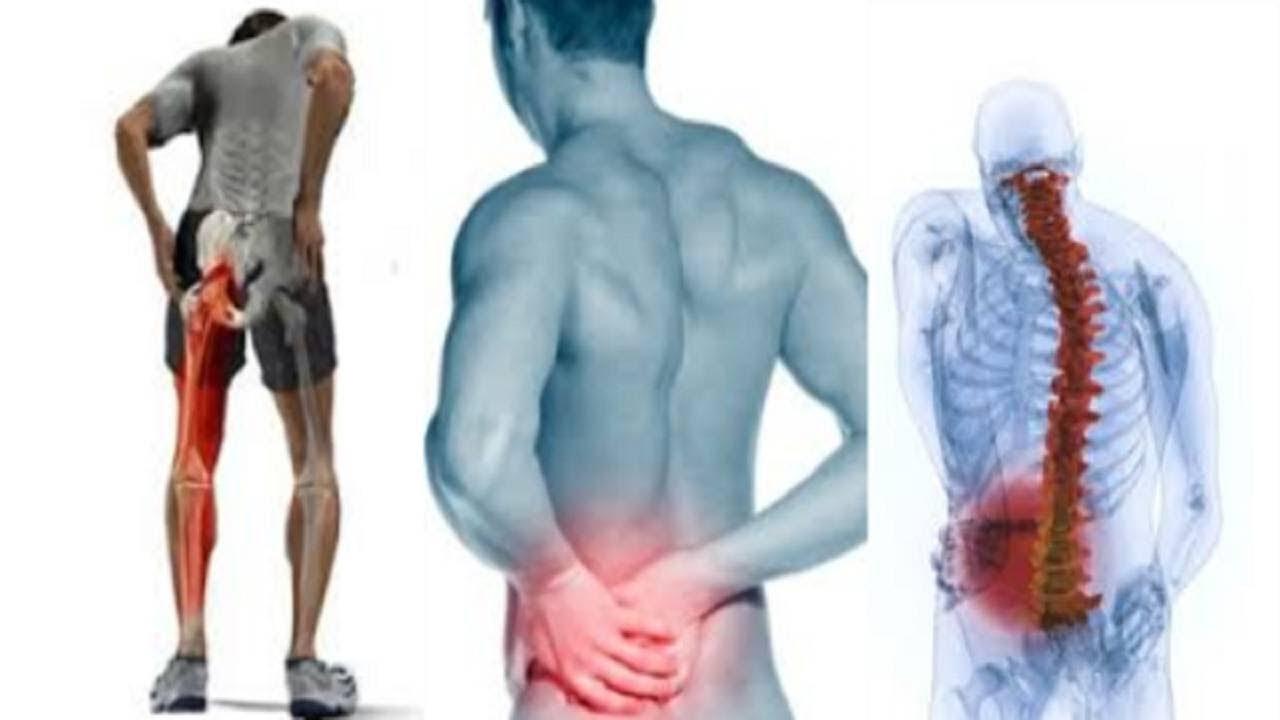
If you’ve ever felt a sharp pain shooting from your lower back down to your leg, you might be experiencing sciatica pain. Sciatica can be more than just uncomfortable, it can affect your daily life, making it hard to walk, sit, or even sleep. In Dallas, many people struggle silently with this condition, often thinking it’s just regular back pain. But understanding the symptoms, causes, and available treatments can help you get relief faster.
At Pain Doctor in Dallas, we’ve seen firsthand how proper care can make a huge difference. Our Pain Physician, Dr. Rao K. Ali MD, emphasizes that early diagnosis and a personalized treatment plan are key to managing sciatica effectively.
What is Sciatica?
Sciatica is a type of pain that occurs when the sciatic nerve, which runs from your lower back down both legs, becomes irritated or compressed. Unlike general lower back pain, sciatica usually affects only one side of your body and can cause shooting pain, numbness, or weakness in the leg.
Many people confuse general back pain with sciatica, but they are different. Sciatica specifically involves nerve-related pain, which is why treating it requires a specialized approach. Studies suggest that approximately 40% of adults experience sciatic nerve pain at some point in their lives, highlighting the importance of recognizing and addressing this condition early.
Common Symptoms of Sciatica
If you’re wondering no matter your discomfort is sciatica, here are the most common signs:
-
Pain that radiates from your lower back to your hip, buttocks, and leg
-
Tingling, burning, or numbness along the leg or foot
-
Weakness in your leg or foot muscles
-
Difficulty standing up straight or walking comfortably
Patients often visit a pain management clinic in Dallas when they notice that simple movements, like bending or sitting, trigger sharp leg pain. Paying attention to these symptoms early can prevent your sciatica from becoming chronic.
Causes of Sciatica Pain
Understanding why sciatica happens is the first step to relief. The most common causes include:
-
Herniated or bulging discs: When a spinal disc presses on the sciatic nerve, it can cause severe nerve pain.
-
Spinal stenosis: Narrowing of the spinal canal may put pressure on the nerves.
-
Degenerative disc disease: Over time, the discs lose cushioning, which can irritate nerves.
-
Injury or trauma: Accidents or falls can damage the spine or muscles surrounding the sciatic nerve.
-
Sedentary lifestyle: Many office workers spend long hours sitting, which increases the risk of sciatic pain.
Risk Factors
While anyone can develop sciatica, certain factors make it more likely:
-
Age: People between 30–50 are most at risk.
-
Obesity: Extra weight increases pressure on the spine.
-
Occupational hazards: Jobs involving prolonged sitting or heavy lifting.
-
Chronic conditions: Diabetes and other metabolic issues can affect nerve health.
If you have any of these risk factors, it’s smart to consult a pain management specialist before your symptoms worsen.
Treatment Options for Sciatica in Dallas
The good news is that most cases of sciatica can be managed without surgery. At Pain Doctor in Dallas, we offer a variety of effective treatments personalized to each patient.
Non-Surgical Treatments
Non-surgical options are often the first step. These include:
-
Physical therapy: Strengthening and stretching exercises reduce pressure on the sciatic nerve. Many patients find relief within a few weeks of consistent therapy.
-
Medications: Anti-inflammatory drugs and pain relievers can reduce discomfort.
-
Lifestyle adjustments: Regular movement, proper posture, and ergonomic seating help prevent flare-ups.
-
Heat and cold therapy: Applying heat or cold to the affected area can temporarily ease pain.
These approaches aim to improve mobility, reduce pain, and help you get back to daily activities as quickly as possible.
Minimally Invasive & Medical Treatments
For persistent pain, medical interventions may be recommended:
-
Epidural steroid injections: These help reduce inflammation around the sciatic nerve.
-
Nerve blocks: Targeted injections relieve pain by temporarily numbing the affected nerve.
-
Advanced pain management: Most clinics now offer specialized treatments using modern techniques to provide long-term relief.
These treatments are often used in combination with physical therapy for the best results.
Surgical Options
Surgery is considered only when conservative measures fail or if there’s severe nerve damage. Procedures like microdiscectomy or laminectomy remove pressure on the sciatic nerve. Dr. Rao K. Ali MD, a Pain Physician in Dallas, emphasizes that surgery is rarely the first choice and is typically recommended only after careful evaluation.
How to Choose a Pain Management Clinic in Dallas
Finding the right clinic is essential. Look for a center that offers:
-
Experienced specialists with a focus on sciatica treatment
-
Personalized care plans tailored to your lifestyle and symptoms
-
Access to non-surgical and minimally invasive options
-
Patient education and ongoing support
At Pain Doctor in Dallas, we take pride in combining expertise, modern treatments, and compassionate care to help you manage nerve pain effectively.
Tips to Prevent Sciatica Flare-Ups
While treatment is important, preventing future episodes is equally crucial. Here are some practical tips:
-
Stretch daily and engage in low-impact exercises like walking or swimming
-
Maintain proper posture while sitting, standing, and lifting
-
Keep a healthy weight to reduce spinal pressure
-
Take breaks from prolonged sitting, if you have a desk job
Incorporating these habits into your routine can greatly reduce the chance of recurring sciatica pain.
FAQs
How can I get fast relief from sciatica pain?
Non-surgical options like physical therapy, medications, and targeted injections are often effective. Consult a pain management clinic for personalized care.
Can sciatica go away on its own?
Mild cases sometimes improve with rest and exercise, but persistent pain should be evaluated by a Pain Physician in Dallas.
What physical therapy options are available in Dallas for sciatica?
Stretching, strengthening, and core stabilization exercises are commonly recommended, often combined with pain relief techniques.
Is surgery always necessary for sciatica pain?
No, surgery is a last resort. Most patients respond well to non-surgical treatments.
Conclusion
Sciatica pain doesn’t have to control your life. Understanding the symptoms, causes, and treatment options is the first step toward relief. No matter if it’s physical therapy, medical intervention, or lifestyle changes, there are effective ways to manage your pain.
If you’re struggling with sciatica pain in Dallas, don’t wait to get help. Contact a Pain Doctor in Dallas today and schedule a consultation with Dr. Rao K. Ali MD, an experienced Pain Physician in Dallas, to create a personalized plan that works for you. Remember, early action can prevent chronic pain and improve your quality of life.
 Dutch
Dutch
 English
 Arabic
 French
 Spanish
 Portuguese
 Deutsch
 Turkish
 Italiano
 Russian
 Romaian
 Portuguese (Brazil)
 Greek
Greek