


How Fire Alarm System Installation Works in Commercial Buildings
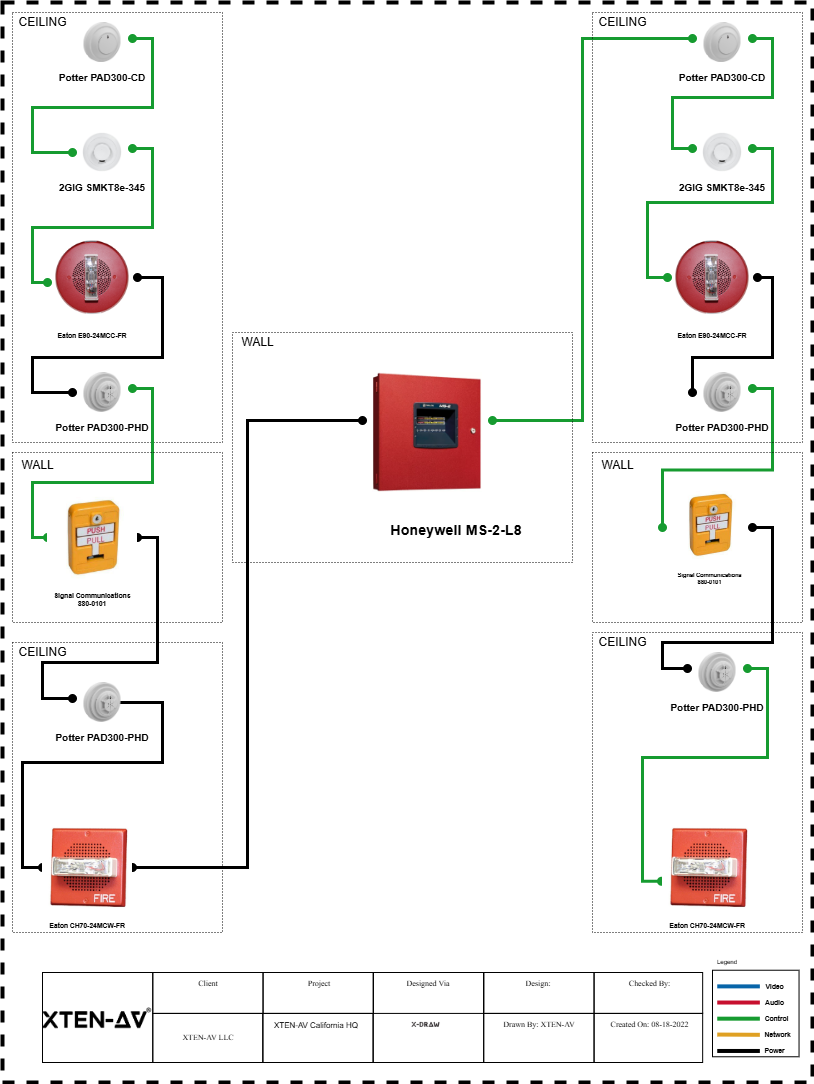
Installing a fire alarm system in commercial buildings is more complex than in residential properties due to larger spaces, multiple floors, and higher occupant density. In 2025, modern fire alarm systems integrate wired, wireless, and hybrid technologies to ensure comprehensive protection. This guide explains how fire alarm installation works in commercial settings.
Planning and Assessment
-
Conduct a thorough fire risk assessment to identify high-risk areas such as kitchens, server rooms, storage, and mechanical areas.
-
Determine the number of floors, rooms, and zones that require coverage.
-
Review building layouts and ceiling heights for optimal detector placement.
-
Check compliance with local fire codes, NFPA 72, and insurance requirements.
Choosing the Right System
-
Conventional Systems: Suitable for smaller commercial spaces with a limited number of zones.
-
Addressable Systems: Recommended for medium to large buildings, as they provide precise location information.
-
Wireless Systems: Useful for areas where wiring is difficult or retrofits are needed.
-
Hybrid Systems: Combine wired and wireless devices to optimize coverage and reliability.
Installation Process
1. Detector and Alarm Placement
-
Position smoke detectors in hallways, offices, lobbies, and stairwells.
-
Install heat detectors in kitchens, boiler rooms, and mechanical spaces.
-
Place manual call points near exits and corridors for easy access.
-
Mount alarms, strobes, and sirens for maximum audibility and visibility throughout the building.
2. Wiring and Connectivity
-
Wired Systems: Route cables through conduits along ceilings or walls. Connect all detectors, alarms, and control panels according to zones.
-
Wireless Systems: Pair all devices with the control panel hub or central system. Ensure reliable signal strength and mesh network connectivity if used.
-
Hybrid Systems: Integrate both wired and wireless devices for seamless communication and coverage.
3. Control Panel Installation
-
Position the fire alarm control panel in a secure and accessible location.
-
Connect primary power supply, backup batteries, and communication lines.
-
Configure zones, device addresses, and notification settings according to building requirements.
4. Notification Devices
-
Install sirens, bells, and strobe lights in corridors, lobbies, and key areas.
-
Ensure volume and light intensity meet safety standards for large commercial spaces.
-
Test audibility and visibility from all parts of the building.
5. System Testing and Commissioning
-
Conduct a full functional test by simulating alarms in each zone.
-
Verify that all detectors trigger alarms and that notifications reach the control panel.
-
Confirm battery backup and emergency power supply function correctly.
-
Document test results for compliance, maintenance, and future audits.
Special Considerations for Commercial Buildings
-
Multi-floor buildings require attention to inter-floor communication and connectivity.
-
Open office layouts may need additional detectors to ensure full coverage.
-
Temporary construction or renovation areas may require portable detectors and flexible installation.
-
Coordination with building management and security personnel is critical for smooth installation and testing.
Common Challenges
-
Signal interference in wireless systems caused by dense construction materials.
-
Incorrect detector placement leading to false alarms or delayed detection.
-
Complex wiring in multi-floor or multi-zone setups.
-
Ensuring compliance with fire safety regulations across all areas of the building.
Conclusion
Fire alarm system installation in commercial buildings in 2025 requires careful planning, adherence to codes, and integration of advanced technologies. Whether using conventional, addressable, wireless, or hybrid systems, proper detector placement, wiring, and testing are essential for reliable fire detection and occupant safety. A well-installed system ensures compliance, minimizes risks, and provides early alerts to protect lives and property.
Read more: https://techwaveav.alboompro.com/post/how-to-install-a-fire-alarm-control-panel

 English
 Arabic
 French
 Spanish
 Portuguese
 Turkish
 Dutch
Dutch
 Italiano
 Russian
 Romaian
 Portuguese (Brazil)
 Greek
Greek