Why Film Photography Still Matters (And How Mail-In Processing Makes It Easier Than Ever)
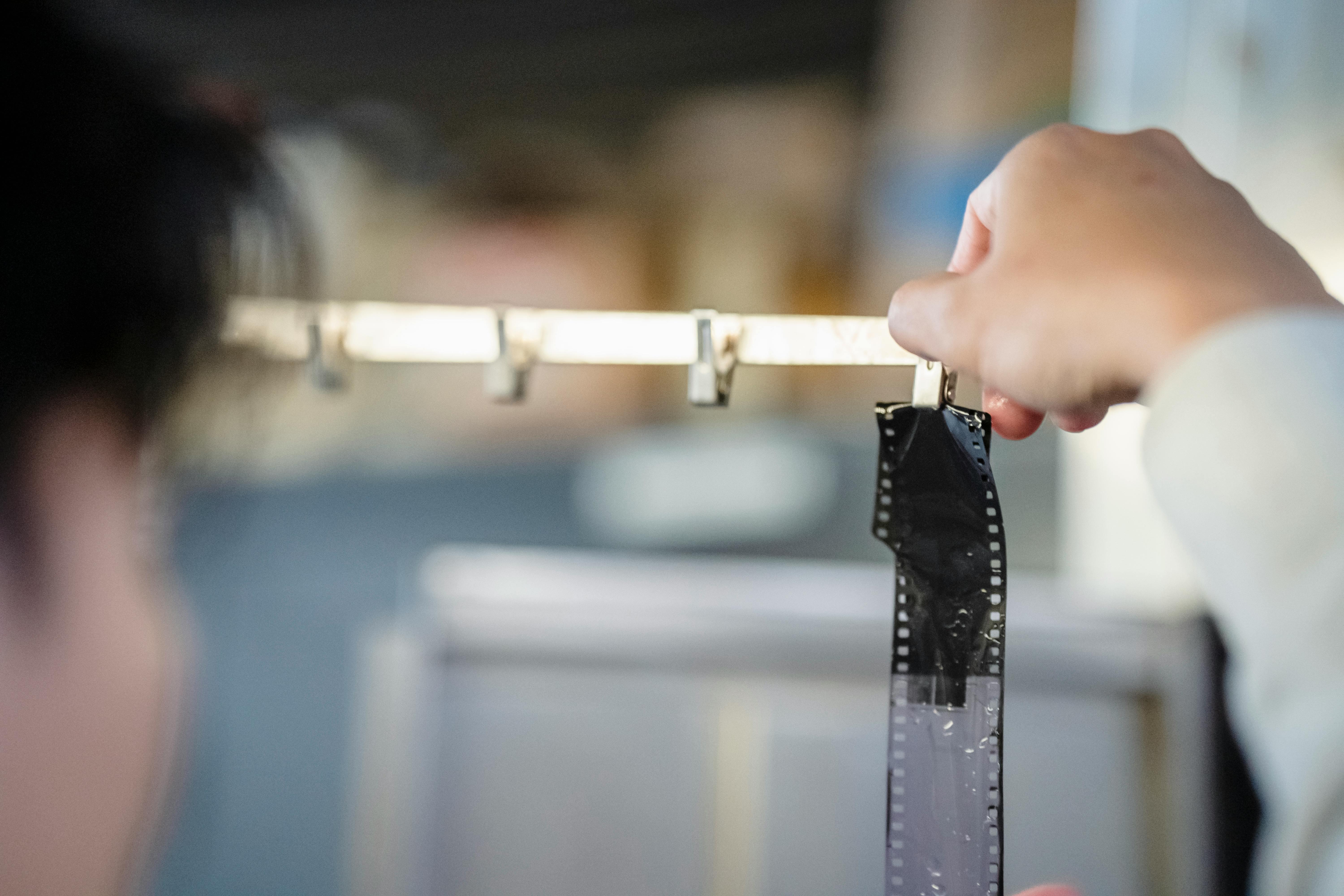
There is something quietly powerful about holding a printed photograph in your hands. Not scrolling past it on a screen, not double-tapping it on a phone, but actually holding it. Feeling the weight of a moment that was captured on a strip of light-sensitive film, developed in a darkroom, and brought into the physical world. For a growing number of people, this experience is not nostalgia. It is a deliberate choice, and it is shaping the way a whole new generation thinks about photography.
Film photography has made a genuine comeback, and not just among hobbyists who remember shooting rolls of Kodak Gold in the 1990s. Younger photographers who grew up entirely in the digital age are picking up analog cameras and discovering something they did not even know they were missing. Part of what is fueling this revival is a service that has made the whole process far more accessible: Film Development By Mail. With this approach, you simply shoot your roll, drop it in an envelope, and let a professional lab handle the chemistry. No darkroom required, no technical expertise needed.
The Slowing Down That Film Demands
One of the most honest things film photography does is force you to slow down. When you have 24 or 36 exposures on a roll, you think before you shoot. You consider the light, the framing, the moment. You do not fire off fifty shots of the same scene hoping one works out. You make a choice and commit to it.
This mindfulness that analog photography demands is one of the reasons so many people say it changes the way they see. Not just through a viewfinder, but in general. When you are looking for photographs rather than just snapping everything, you start noticing light more, composition more, the texture of ordinary moments more. It is a creative discipline that quietly improves how you pay attention.
And then, when your roll comes back from the lab, there is a kind of magic in seeing those images for the first time. The slight anticipation, the small surprises, the imperfections that make each frame feel alive. It is the opposite of instant, and that is exactly the point.
What Makes Professional Film Labs Worth It
Not all film processing is equal. The chemicals used in development, the quality of the scanning equipment, the care taken with each roll, these things matter enormously to the final result. A poorly processed roll can mean muddy colors, uneven grain, or lost detail in the shadows and highlights. A well-processed roll, handled by technicians who understand film, can deliver images that are genuinely stunning.
This is why photographers who are serious about their work turn to professional film labs rather than trying to process at home or dropping rolls off at a pharmacy. Labs that specialize in film photography invest in proper equipment, maintain their chemistry carefully, and understand the nuances of different film stocks. Whether you are shooting black and white Ilford, vibrant Fuji Velvia slide film, or color negative stocks like Portra or Ektar, a professional lab knows how to handle each one correctly.
One service worth knowing about is ICON LA Film Services, a professional film lab based in Los Angeles that has built a reputation for careful, high-quality processing. They work with a wide range of film formats and types, and their mail-in service makes professional development genuinely accessible to photographers anywhere in the country, not just those lucky enough to live near a good local lab.
Preserving Memories the Right Way
There is a meaningful difference between a digital file and a developed negative. Digital files get lost, corrupted, or deleted. Hard drives fail. Cloud services change their terms. But a well-stored negative or slide can last for decades, even longer, and it can be reprinted or scanned again at any point in the future.
When you shoot film and have it professionally processed, you are creating a physical archive. The negative is the original. It exists in the world. It does not depend on any particular technology or platform to remain accessible. There is something genuinely reassuring about that, especially for photographs of moments that truly matter, family gatherings, travels, milestones, the kind of images you hope will still exist fifty years from now.
Many photographers keep their negatives in archival sleeves, stored away from light and moisture, knowing that those small strips of film are carrying something irreplaceable. That sense of permanence is one of the reasons film has an emotional weight that digital photography often struggles to match.
Getting Started Is Simpler Than You Think
If you have been curious about film photography but assumed it was complicated or expensive to get into, the reality might surprise you. Used film cameras are widely available and affordable. A solid 35mm point-and-shoot from the 1990s might cost you less than twenty dollars at a thrift store. Classic SLR cameras with interchangeable lenses can be found for reasonable prices through online resellers or camera shops.
Film itself comes in a wide range of options, from budget-friendly stocks to premium emulsions, each with its own character and look. Part of the fun is experimenting and finding the films you love.
And when it comes to processing, the mail-in option removes one of the biggest barriers that used to keep people from shooting film: access to a lab. You do not need to live in a major city. You do not need to track down a local processor who may or may not do a careful job. You shoot your roll, package it up, and send it to a lab that knows what it is doing.
Why This Matters Beyond Photography
There is a broader conversation happening about how we engage with the things we create and the memories we collect. Endless scrolling through digital images produces a kind of numbness. We consume so many photographs that most of them stop meaning anything. Film photography is, in a quiet way, a response to that. It asks you to be intentional. To shoot less and see more. To hold on to fewer images that each carry more weight.
That is a value worth embracing, whether you are a dedicated photographer or just someone who wants to document your life in a way that feels more meaningful. The printed photograph on your wall or the negative stored in an archival sleeve does something a folder of JPEG files simply cannot.
Ready to Start Shooting?
If this has sparked your curiosity, the next step is genuinely simple. Pick up an inexpensive film camera, load a roll, and start paying attention. When you have finished the roll, look into a professional mail-in processing service that will treat your film with the care it deserves. ICON LA Film Services is an excellent place to start, with clear information about their mail-in process, the film types they accept, and their turnaround times. Visit their film development by mail page to learn more about how their service works and what to expect.
Film photography is not about rejecting the convenience of modern technology. It is about choosing, sometimes, to slow down. To create something physical. To let the process be part of the experience. And when you get those developed images back and see a moment from your own life rendered in grain and light and color on a real print, you will understand why so many people are finding their way back to film.