What Type of Runners Should Choose Hoka? A Complete Guide
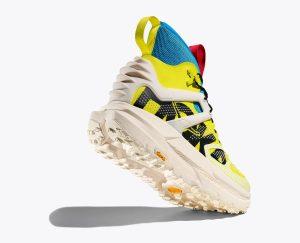
Choosing the right pair of running shoes is perhaps the most critical decision a runner makes. The wrong choice can lead to nagging injuries, while the right choice can make those final miles of a marathon feel like a victory lap. But with so many options on the market, how do you know if you are the type of runner who should reach for a pair of high-stack, cushioned trainers?
Let’s dive deep into the specific profiles of runners who stand to gain the most from this unique style of footwear.
1. The High-Mileage Marathoner and Ultra-Runner
The most obvious candidate for a maximalist hoka trainers is the endurance athlete. When you are training for a marathon or an ultramarathon, your feet and joints absorb an incredible amount of cumulative impact. Every mile on pavement sends shockwaves through the ankles, knees, and hips.
Runners who regularly clock 40, 50, or even 100 miles per week often find that traditional, thinner midsoles "bottom out" or lose their responsiveness halfway through a long run. A shoe with a significant amount of foam provides a consistent buffer. This extra protection helps reduce muscle fatigue, allowing you to recover faster for your next session. If your goal is to finish a long-distance race with your legs feeling as fresh as possible, the high-volume cushioning is a game-changer.
2. Runners Recovering from or Prone to Specific Injuries
While no shoe is a "cure-all" for injury, the design philosophy behind maximalist footwear addresses specific biomechanical needs.
-
Plantar Fasciitis: Many runners struggling with heel pain or plantar fasciitis benefit from the structured support and dampened impact of a thicker sole.
-
Joint Issues: If you have a history of knee pain or lower back discomfort, the superior shock absorption helps minimize the "jarring" sensation of hard-surface running.
-
Metatarsalgia: Runners with pain in the ball of the foot often find relief in the "rocker" geometry. This curved sole design helps the foot transition from heel to toe without requiring the toes to flex as aggressively, taking the pressure off the forefoot.
3. The "Clydesdale" or Larger-Frame Runner
Running is a high-impact sport, and the physics are simple: the more weight being moved, the more force is applied to the ground—and reflected back into the body. Larger runners, often referred to in the racing community as "Clydesdales," often find that standard running shoes compress too quickly.
For a heavier runner, a shoe with more substantial foam offers a more durable platform. It provides the necessary "plushness" that doesn't collapse under pressure, ensuring that the cushioning actually lasts for the intended lifespan of the shoe. If you find that you "kill" your shoes in under 200 miles, switching to a high-stack model might offer the longevity and comfort you’ve been missing.
4. Master Runners (The Over-40 Crowd)
As we age, the natural fat pads on the bottom of our feet tend to thin out. This loss of natural cushioning can make running on concrete feel significantly harsher than it did in our twenties. Furthermore, recovery times naturally lengthen as we get older. visit hokatrainersuk.com to check more collection of hoka.
Master runners often choose these shoes because they provide a "forgiving" ride. The goal for many older athletes is longevity staying in the game for as many years as possible. By reducing the mechanical stress on the body, these shoes can help older runners maintain their weekly volume without the lingering aches that often accompany aging joints.
The Secret Sauce: It's Not Just About the Foam
When deciding if you fit the profile, it is important to understand that these shoes aren't just "tall." There are three specific design elements that define the experience:
The Active Foot Frame
Unlike traditional shoes where your foot sits on top of the foam, many maximalist designs allow your foot to sit down into the foam. Think of it like a bucket seat in a race car. This provides inherent stability without the need for heavy, plastic "medial posts" that can feel clunky. If you are a neutral runner who wants a bit of "guided" stability, this is a perfect middle ground.
Meta-Rocker Geometry
Because the soles are so thick, they don't bend easily. To compensate for this lack of flexibility, the shoes are shaped like a rocking chair. This "Meta-Rocker" helps propel you forward and encourages a more efficient gait cycle. If you feel like your stride is "flat" or you struggle with a slow turnover, the rocker can help you transition through your stride more fluidly.
The Weight Paradox
One of the biggest misconceptions is that a big shoe must be a heavy shoe. In reality, the foam used in these models is engineered to be incredibly lightweight. Many runners are shocked to find that a "bulky" looking shoe actually weighs less than their old-school trainers. If you want maximum protection without feeling like you have weights tied to your ankles, this is the technology for you.
5. Walkers and Professionals on Their Feet All Day
You don't actually have to be a runner to benefit from this footwear. A growing demographic of people choosing these shoes are healthcare workers, retail employees, and travelers.
If your job requires you to stand on hard linoleum or concrete for eight to twelve hours a day, the same principles of shock absorption apply. Many people find that their legs feel significantly less "heavy" at the end of a shift when they swap standard sneakers for a pair with maximalist cushioning.
6. Trail Runners Facing Technical Terrain
On the trail, the ground is rarely flat. Rocks, roots, and jagged debris can cause "stone bruises" on the bottom of the foot. Trail-specific versions of these shoes act like a mountain bike with long-travel suspension. They soak up the irregularities of the trail, providing a stable platform even when the terrain is chaotic. If you enjoy long days in the mountains, the added protection can prevent your feet from feeling "beaten up" by the end of the hike.
Is There Anyone Who Should Avoid Them?
While they are fantastic for many, they aren't for everyone. If you are a runner who craves "ground feel"—the ability to feel exactly what is happening under your foot—you might find maximalist shoes a bit disconnected. Similarly, if you primarily do short, explosive track sprints, you might prefer a lower-profile, firmer shoe for better power transfer.
However, for the vast majority of everyday runners looking for comfort, injury prevention, and a smooth ride, the "cushion craze" is popular for a reason: it works.
Frequently Asked Questions
Are Hoka shoes good for beginners?
Yes. Beginners often have muscles and tendons that aren't yet acclimated to the stresses of running. The extra cushioning provides a safety net that can help prevent early overuse injuries.
Do Hoka shoes cause instability because they are so high?
Generally, no. Most models have a wide "footprint" or base, which actually makes them very stable. Your foot sits inside the midsole rather than on top of it, creating a secure feel.
How long do these cushioned shoes typically last?
Despite the soft feel, the high-quality foam is quite durable. Most runners get between 300 to 500 miles out of a pair, which is standard for high-performance running footwear.