Phenol Price Trend 2026: Global Market Analysis, Supply Demand Insights & Forecast
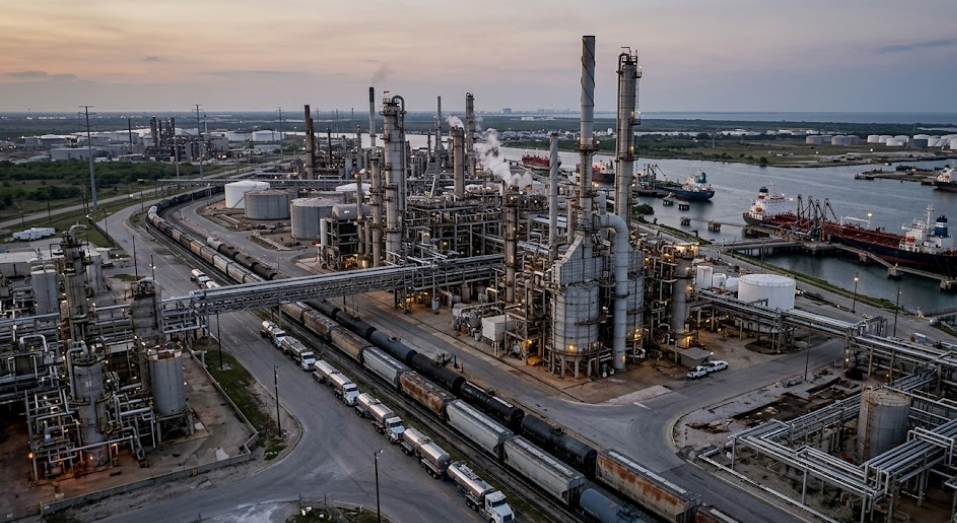
The Phenol Price Trend in early 2026 reflects a stable-to-slightly firm global market, supported by steady downstream demand and balanced supply conditions. Phenol, a key petrochemical intermediate, is primarily used in the production of bisphenol-A (BPA), phenolic resins, and caprolactam, making it essential for industries such as automotive, construction, electronics, and packaging. The market is currently influenced by stable benzene feedstock prices, consistent production levels across major regions, and moderate demand recovery. While Asia continues to dominate both supply and consumption, North America and Europe are witnessing steady demand patterns. Overall, the global phenol market trend indicates equilibrium with mild regional price variations driven by logistics, feedstock costs, and downstream industry activity.
Market Snapshot
Market Snapshot
- Market Direction: Stable to Slightly Bullish
- Primary Demand Sector: Bisphenol-A (Plastics & Resins)
- Key Feedstock: Benzene
- Major Supply Region: Asia Pacific (China)
- Short-Term Outlook: Stable
Latest Pricing Data (January 2026):
- China (FOB): USD 846/MT
- India (CIF): USD 954/MT
- USA (CIF): USD 931/MT
Key Drivers Affecting Phenol Prices
The phenol supply demand analysis highlights multiple factors influencing pricing trends:
- Feedstock Price Movements:
Benzene prices play a critical role in determining phenol production costs and overall pricing. - Downstream Industry Demand:
Demand from BPA, phenolic resins, and caprolactam sectors directly impacts consumption levels. - Global Production Capacity:
High operating rates in Asia ensure sufficient supply, limiting price volatility. - Construction and Automotive Activity:
Growth in these sectors drives demand for phenol-based materials. - Export-Import Trade Flows:
Regional price differences are influenced by trade dynamics and freight costs.
Why Prices Increased or Decreased Recently
The Phenol Price Trend in January 2026 showed relative stability with slight upward pressure in some regions.
- In India, prices remained firm due to strong import demand and consistent downstream consumption.
- China maintained competitive pricing due to stable production and adequate domestic supply.
- The USA market showed balanced pricing supported by steady industrial demand.
Recent price behavior can be attributed to:
- Stable benzene feedstock costs limiting volatility
- Absence of major refinery outages or plant shutdowns
- Balanced inventory levels across key markets
- Consistent demand from BPA and resin manufacturers
Overall, prices remained stable due to equilibrium between supply and demand fundamentals.
Real Global Events Affecting the Market
Several macroeconomic and industry-specific events have influenced the global phenol market trend:
- Crude Oil and Benzene Stability:
Stable upstream markets supported consistent phenol production costs. - Geopolitical Conditions:
Reduced tensions in key trade regions ensured uninterrupted supply chains. - Petrochemical Capacity Expansions:
New capacity additions in Asia increased global supply availability. - Environmental Regulations in Europe:
Stricter compliance requirements increased production costs, affecting regional pricing. - Global Trade Normalization:
Improved logistics and shipping conditions reduced freight-related disruptions.
Regional Market Analysis
North America
The North American phenol market exhibited stable pricing trends:
- Consistent demand from automotive and construction sectors
- Stable domestic production levels
- Balanced supply-demand dynamics
Asia Pacific
Asia Pacific remains the largest and most influential region:
- High production capacity in China
- Strong demand from BPA and resin industries
- Competitive pricing due to economies of scale
Europe
Europe showed slightly firm pricing conditions:
- Increased production costs due to environmental regulations
- Moderate demand from industrial sectors
- Dependence on imports for feedstock
Middle East & Africa
The region demonstrated stable growth patterns:
- Expanding petrochemical production capacity
- Increasing demand from infrastructure development
- Strong export-oriented supply
Industry Expert Insight
Industry analysts indicate that stable benzene feedstock prices and consistent downstream demand are maintaining balance in the phenol market, while regional production cost differences continue to shape global pricing structures.
Market Outlook
Short-Term Outlook
The phenol price forecast suggests:
- Stable pricing in the near term
- Continued demand from BPA and resin industries
- Limited volatility due to balanced inventories
Medium-Term Outlook
The phenol market outlook is expected to remain moderately positive:
- Growth in construction and automotive sectors
- Increasing demand for high-performance plastics
- Potential feedstock price fluctuations impacting costs
- Expansion of petrochemical capacity in Asia and the Middle East
FAQs
What affects Phenol prices?
Phenol prices are influenced by benzene prices, industrial demand, production capacity, and global trade conditions.
Why did Phenol prices remain stable recently?
Prices stayed stable due to balanced supply-demand dynamics and steady feedstock costs.
What industries use Phenol?
Phenol is used in BPA production, phenolic resins, caprolactam, and various industrial applications.
Which region produces the most Phenol?
Asia Pacific, particularly China, is the leading producer of phenol globally.
What is the future outlook for Phenol prices?
The outlook is stable to moderately bullish, supported by industrial demand growth and expanding production capacity.