Why Roller Ball Bearings Fail in Heavy Machinery
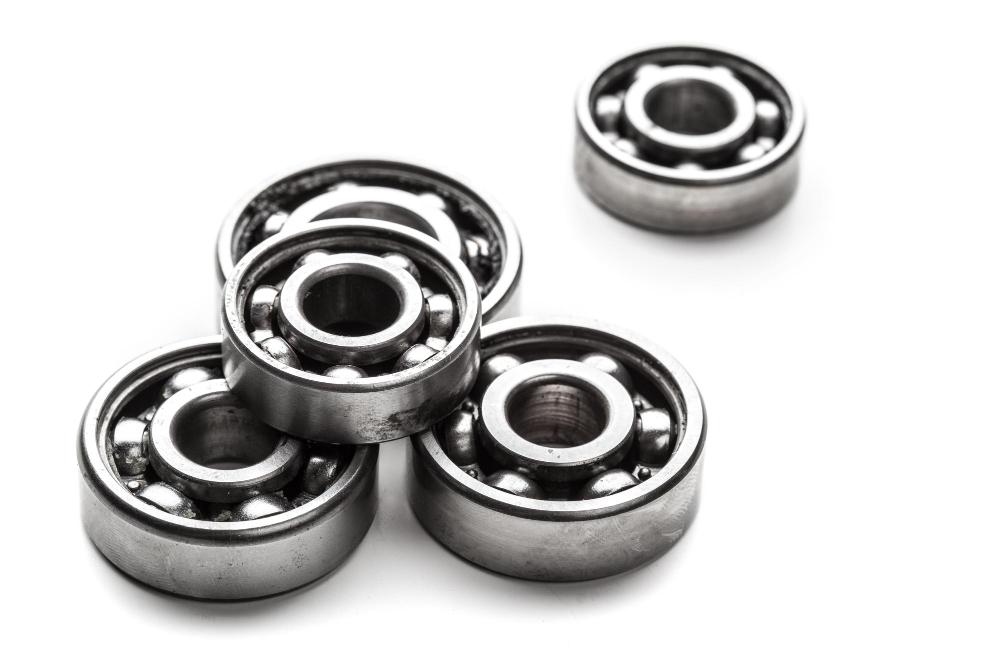
In modern industries and mechanical systems, bearings play a critical role in keeping machines running smoothly. Among the most widely used components are roller ball bearings, which help reduce friction between moving parts and allow machines to operate efficiently. These bearings are commonly used in industrial equipment, automotive systems, electric motors, and heavy machinery.
Although roller ball bearings are designed for durability and high performance, they sometimes fail earlier than expected. When a bearing fails, it can cause machine downtime, vibration, noise, and expensive repairs. Understanding why roller ball bearing failures occur can help industries improve reliability and reduce maintenance costs.
The Importance of Roller Ball Bearings in Machinery
A roller ball bearing is designed to support rotating parts while minimizing friction. It uses rolling elements, such as balls or rollers, placed between inner and outer rings. These rolling elements allow smooth motion and help distribute loads evenly across the bearing.
In heavy machinery, roller ball bearings carry significant loads while operating under constant pressure and movement. Because they are essential to the operation of rotating equipment, even a small issue with a bearing can affect the entire system.
When bearings perform correctly, they reduce wear, maintain alignment, and improve machine efficiency. However, when they fail, the consequences can include overheating, mechanical damage, and unexpected equipment shutdown.
Excessive Load and Mechanical Stress
One of the most common causes of roller ball bearing failure is excessive load. Bearings are designed to handle specific load limits, but heavy machinery sometimes operates under conditions that exceed those limits.
When a bearing carries more weight or pressure than it was designed for, the rolling elements and raceways experience increased stress. This stress can cause surface damage, deformation, or cracks in the bearing structure.
Over time, excessive load weakens the bearing components and leads to premature failure. Machines that frequently operate under heavy loads require high-quality bearings that are specifically designed for demanding conditions.
Poor Lubrication and Friction
Lubrication is essential for the smooth operation of any roller ball bearing. Lubricants reduce friction between moving parts and prevent metal-to-metal contact.
If lubrication is insufficient or contaminated, friction inside the bearing increases significantly. Increased friction generates heat, which can damage the rolling elements and raceways. In severe cases, the bearing may overheat and seize.
Lubrication problems may occur due to poor maintenance, the use of incorrect grease, or leakage from the bearing housing. Maintaining proper lubrication helps extend the life of bearings and ensures reliable machine operation.
Contamination from Dust and Debris
Industrial environments often expose machinery to dust, dirt, metal particles, and other contaminants. When these particles enter a roller ball bearing, they can cause serious damage.
Small debris can scratch the bearing surfaces and disrupt the smooth movement of rolling elements. Over time, these scratches develop into deeper wear marks, which reduce the efficiency of the bearing and increase vibration.
Contamination also affects the lubricant inside the bearing. When lubricant becomes mixed with dirt or moisture, it loses its ability to protect the bearing components.
Proper sealing systems and regular inspections help reduce contamination and protect the internal parts of the bearing.
Misalignment in Mechanical Systems
Misalignment is another important factor that contributes to roller ball bearing failure. Bearings are designed to operate under precise alignment between shafts and housing components.
If the shaft or housing becomes misaligned, the load distribution across the bearing becomes uneven. Instead of spreading the load evenly, certain areas of the bearing experience excessive pressure.
This uneven stress accelerates wear and can lead to cracks, surface fatigue, or sudden bearing failure. Misalignment often occurs due to improper installation, worn machine parts, or structural issues in the equipment.
Heat and Operating Conditions
Heat is a major factor that affects the performance of roller ball bearing systems. Bearings generate heat during operation due to friction and continuous rotation.
If the temperature becomes too high, the metal components may expand and the lubricant may break down. High temperatures also reduce the strength of the bearing material, making it more vulnerable to damage.
Machines that operate continuously or under heavy workloads often experience higher temperatures. Without proper cooling and lubrication, these conditions can significantly shorten the lifespan of bearings.
Early Warning Signs of Bearing Failure
Before a roller ball bearing fails completely, machines often show warning signs. Recognizing these signs early can prevent larger mechanical problems.
Common warning indicators include:
-
Unusual vibration in machinery
-
Grinding or humming noises
-
Increased operating temperature
-
Reduced machine efficiency
-
Visible wear on bearing surfaces
Ignoring these warning signals can lead to serious equipment damage and unexpected production delays.
The Impact of Bearing Failure on Machinery
When a bearing fails, the effects can spread throughout the entire machine. Increased friction and vibration can damage nearby components such as shafts, gears, and housings.
In industrial settings, bearing failure can also result in production downtime and high maintenance costs. For businesses that rely on continuous operation, even a small component failure can disrupt workflow and reduce productivity.
This is why monitoring the condition of roller ball bearing systems is critical for maintaining reliable machinery performance.
Conclusion
Roller ball bearings are essential components in modern mechanical systems. They reduce friction, support rotating loads, and help machines operate smoothly and efficiently.
However, roller ball bearing failures can occur due to excessive load, poor lubrication, contamination, misalignment, and high operating temperatures. These factors weaken the bearing structure and shorten its service life.
By understanding the causes of bearing failure, industries can improve maintenance practices and protect their machinery from costly breakdowns. Proper monitoring and high-quality bearing components play a key role in ensuring long-term equipment reliability.