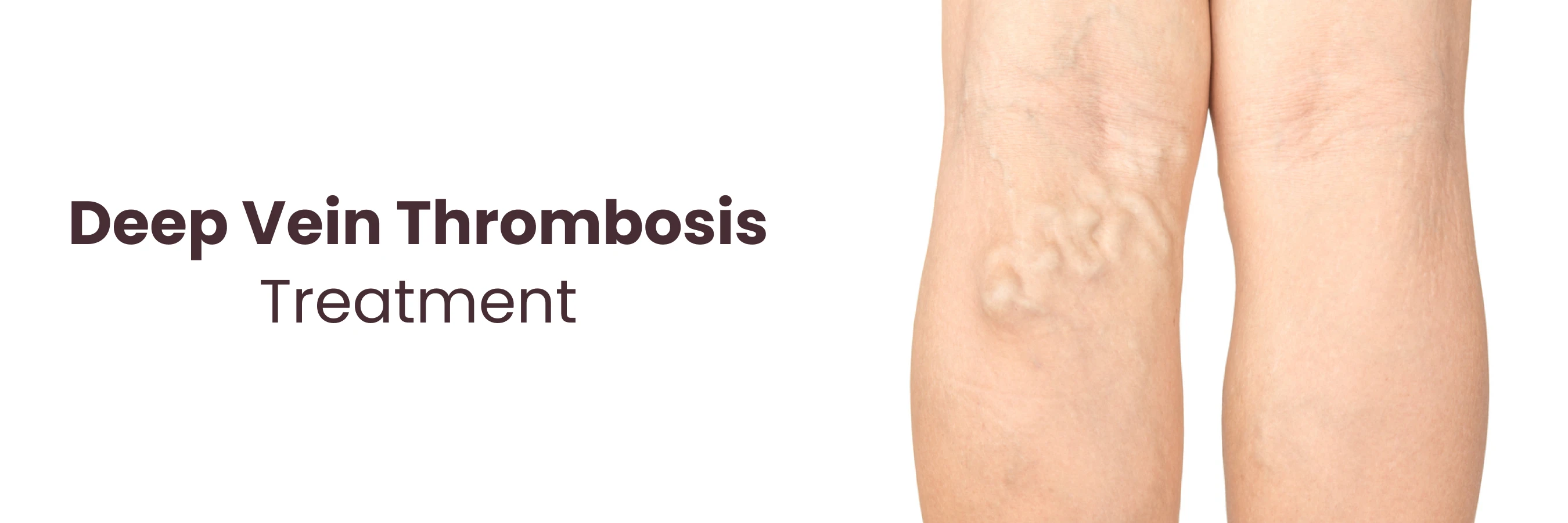
Blood clots play an essential role in the body’s natural healing process. When you get a cut or injury, clotting helps stop bleeding and protects your body from excessive blood loss. However, when blood clots form inside veins or arteries without an injury, they can become dangerous and may lead to serious vascular complications. Early detection of blood clots is critical because it allows timely treatment, reduces the risk of life-threatening events, and protects overall vascular health.
Understanding the warning signs and seeking prompt medical care can make a significant difference in preventing complications such as deep vein thrombosis (DVT), pulmonary embolism, or long-term vein damage.
What Are Blood Clots and Why Do They Form?
A blood clot is a gel-like mass formed by platelets and proteins in the blood that stick together to stop bleeding. While clotting is a normal protective function, abnormal clot formation within blood vessels can block the flow of blood.
Blood clots most commonly develop in the deep veins of the legs, a condition known as deep vein thrombosis. When a clot forms in these veins, it can restrict circulation and cause symptoms such as swelling, pain, warmth, and redness in the affected area. If left untreated, part of the clot can break loose and travel to the lungs, causing a pulmonary embolism—a potentially life-threatening condition.
Blood clots can develop due to several factors, including prolonged immobility, injury to blood vessels, certain medical conditions, surgery, obesity, pregnancy, and genetic clotting disorders. Lifestyle habits such as smoking and lack of physical activity can also increase the risk.
The Importance of Early Detection
Detecting blood clots early significantly improves treatment outcomes and reduces the risk of complications. Many people overlook early symptoms or assume they are minor muscle strains or circulation issues. Unfortunately, ignoring these warning signs can allow the clot to grow larger or travel to other parts of the body.
Early detection allows healthcare providers to start treatment promptly, which may include medications, minimally invasive procedures, or lifestyle changes to restore healthy blood flow. Timely diagnosis can also prevent long-term complications such as post-thrombotic syndrome, a condition that causes chronic swelling, pain, and skin changes in the legs.
Advanced imaging technologies and specialized vascular evaluations now make it easier for physicians to identify clots quickly and accurately. With proper medical care, most blood clots can be managed effectively before they lead to severe complications.
Common Signs and Symptoms to Watch For
Recognizing the early symptoms of a blood clot is an important step in protecting vascular health. While symptoms may vary depending on the location of the clot, several common warning signs should never be ignored.
Swelling in one leg or arm is often one of the earliest indicators. This swelling may appear suddenly and may be accompanied by discomfort or tenderness in the affected area. Some individuals also experience warmth, redness, or discoloration of the skin over the clot.
Pain associated with a blood clot may feel similar to a cramp or soreness in the leg, especially in the calf. The pain may worsen when standing or walking. In more serious cases, symptoms such as sudden shortness of breath, chest pain, or rapid breathing could indicate that a clot has traveled to the lungs and requires immediate medical attention.
Because these symptoms can sometimes resemble other health issues, professional evaluation by a vascular specialist is essential for an accurate diagnosis.
Risk Factors That Increase the Likelihood of Blood Clots
Certain individuals are at a higher risk of developing blood clots. People who sit for long periods—such as during long flights or extended desk work—may experience reduced blood circulation in the legs. This lack of movement can increase the chances of clot formation.
Surgical procedures, particularly orthopedic surgeries involving the hips or knees, can also increase clot risk. Additionally, individuals with chronic conditions such as heart disease, cancer, or inflammatory disorders may have a greater likelihood of developing vascular complications.
Hormonal factors, including birth control pills or hormone replacement therapy, can also contribute to clot formation in some individuals. Pregnancy and the postpartum period are additional times when women may face an elevated risk.
Understanding these risk factors allows individuals to take preventive steps and seek medical advice if they notice unusual symptoms.
How Blood Clots Are Diagnosed
When a blood clot is suspected, physicians typically use a combination of medical history, physical examination, and diagnostic imaging to confirm the condition. Ultrasound imaging is one of the most common tools used to detect clots in the deep veins.
Additional tests such as blood tests, CT scans, or specialized vascular imaging may be recommended depending on the situation. These diagnostic tools help physicians determine the size, location, and severity of the clot so they can create an effective treatment plan.
Seeking evaluation from experienced vascular specialists ensures that the condition is properly assessed and treated with the most appropriate approach.
Treatment Options for Blood Clots
Treatment for blood clots depends on several factors, including the size and location of the clot, the patient’s medical history, and the potential risk of complications. In many cases, blood-thinning medications are prescribed to prevent the clot from growing and to reduce the risk of new clots forming.
For more severe cases, minimally invasive procedures may be recommended to remove or dissolve the clot. These advanced techniques help restore blood flow and minimize long-term vein damage.
Patients receiving specialized care from experienced vascular professionals often benefit from personalized treatment plans designed to address both the clot itself and any underlying risk factors. In many cases, comprehensive approaches such as DVT Treatment by Prime Vascular Care focus on accurate diagnosis, minimally invasive therapies, and long-term prevention strategies to support vascular health.
The Connection Between Vein Health and Clot Prevention
Healthy veins play a major role in preventing circulation problems and reducing the likelihood of blood clots. Conditions that affect vein function—such as chronic venous insufficiency or varicose veins—can sometimes contribute to poor blood flow and increase the risk of vascular complications.
Managing vein health through proper medical care, physical activity, and lifestyle adjustments can help maintain efficient circulation. Treatment for underlying vein conditions may also support long-term vascular wellness.
For individuals experiencing symptoms related to vein disorders, modern procedures such as Varicose Vein Treatment by PVC are designed to improve circulation, relieve discomfort, and promote healthier blood flow in the legs.
Preventing Blood Clots Through Healthy Habits
While not all blood clots can be prevented, adopting healthy habits can significantly reduce the risk. Staying physically active is one of the most effective ways to maintain proper circulation. Regular walking, stretching, and exercise help keep blood moving through the veins.
Maintaining a healthy weight, staying hydrated, and avoiding prolonged periods of sitting can also lower the chances of clot formation. For individuals who travel frequently or work long hours at a desk, taking short breaks to stand and move around can improve circulation.
Following medical advice after surgery or during recovery from illness is equally important, as physicians may recommend compression stockings or preventive medications in certain situations.
Protecting Your Vascular Health
Early detection of blood clots is a critical step in safeguarding vascular health and preventing serious complications. By recognizing warning signs, understanding personal risk factors, and seeking professional medical care when symptoms arise, individuals can greatly reduce the risks associated with vascular conditions.
Modern advancements in vascular medicine now offer effective diagnostic tools and treatment options that help manage blood clots safely and efficiently. When patients prioritize early evaluation and specialized care, they take an important step toward protecting their circulation and maintaining long-term health.