


How Digital Learning Is Transforming Quran Education Worldwide
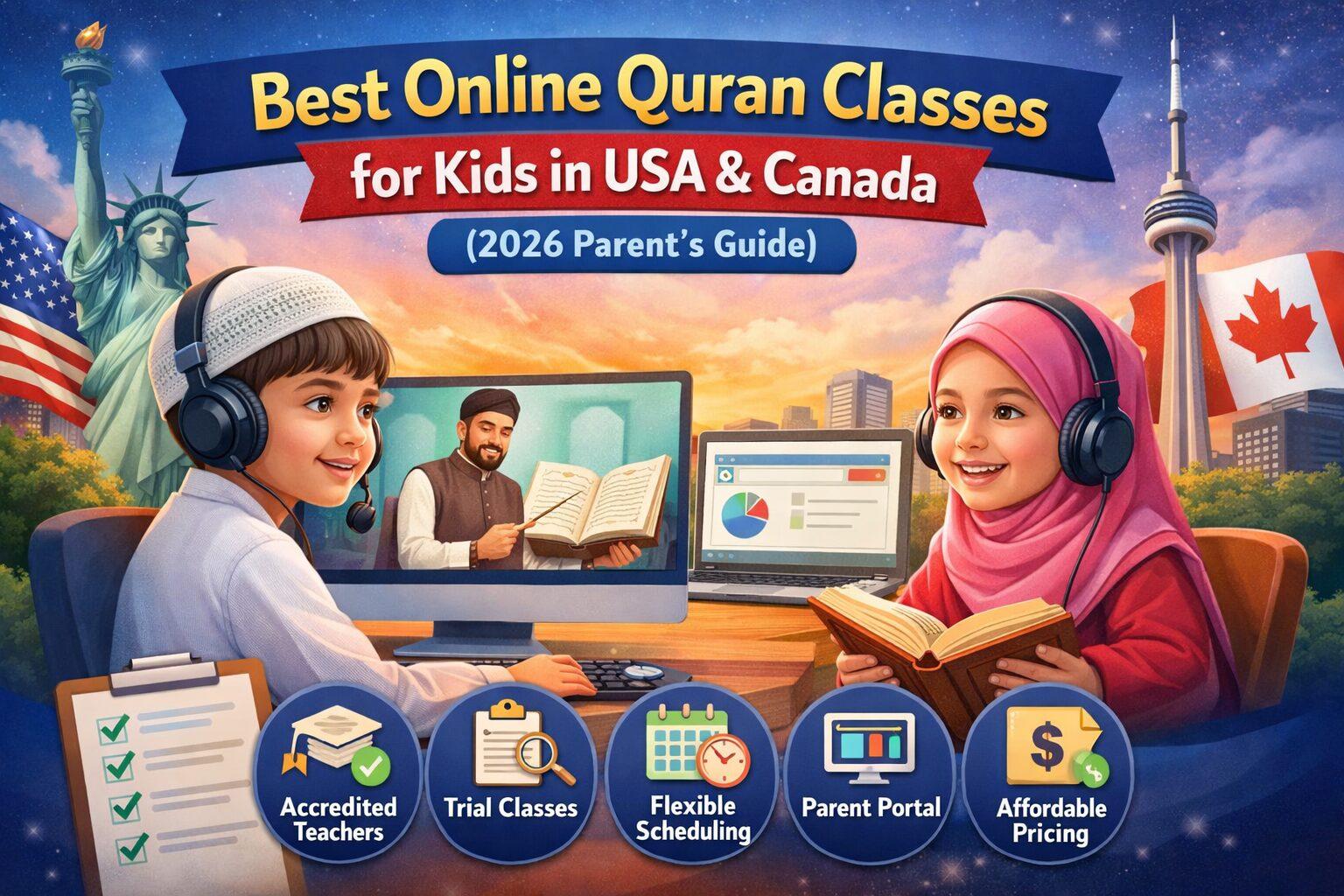
Digital learning has reshaped nearly every field of education, and Quran studies are no exception. Over the last decade, advancements in communication technology, video conferencing platforms, and interactive tools have made it possible for students to learn the Quran from qualified teachers regardless of geographical boundaries. What was once limited to local mosques and community centers has now expanded into a truly global classroom.
This transformation is not simply about convenience. It reflects a deeper shift in how knowledge is accessed, shared, and preserved in the modern era. For Muslim families around the world, digital Quran education has opened new doors for structured learning, qualified instruction, and consistent spiritual development.
The Evolution of Quran Education
Traditionally, Quran education has been rooted in face-to-face interaction between teacher and student. This model, built on direct supervision and personalized guidance, has long been considered the gold standard. Institutions such as Al-Azhar University and Islamic University of Madinah have preserved classical methods of Quranic transmission for centuries.
However, as Muslim communities expanded across continents, access to qualified scholars became uneven. In minority-Muslim countries especially, families often struggled to find certified teachers who could teach Tajweed (proper pronunciation), Hifz (memorization), and Tafseer (interpretation) systematically.
Digital learning has addressed this gap by connecting students directly with trained instructors worldwide. Today, a child in Toronto, London, or Sydney can study with a teacher based in Cairo or Madinah without leaving home.
Accessibility Without Borders
One of the most significant transformations brought by digital learning is accessibility. Geography is no longer a barrier. Muslim families living in Western countries, rural regions, or areas with limited Islamic institutions now have access to structured Quran programs.
For example, many parents are enrolling their children in Online Quran Classes in Canada, allowing them to receive consistent Quran education tailored to their time zone and curriculum needs. Similarly, families across Europe are turning to Online Quran Classes UK programs that provide qualified tutors who understand both Islamic teachings and the cultural context of Western societies.
This accessibility ensures that children maintain a strong connection to their faith, even when local resources are limited.
Flexible Learning for Modern Lifestyles
Modern families often juggle school, work, extracurricular activities, and household responsibilities. Fixed schedules at physical institutions can sometimes be challenging to manage.
Digital Quran learning platforms offer flexible scheduling options. Students can select convenient time slots, reschedule when necessary, and maintain continuity in their studies. This flexibility significantly reduces dropout rates and encourages long-term commitment to Quran education.
Moreover, recorded sessions and digital materials allow students to revise lessons at their own pace, reinforcing memorization and understanding.
Personalized Instruction and One-on-One Learning
Another major advantage of digital Quran education is personalization. Many online programs provide one-on-one sessions, allowing teachers to focus entirely on a single student’s strengths and weaknesses.
Personalized instruction is particularly beneficial for:
-
Beginners learning the Arabic alphabet
-
Students struggling with pronunciation
-
Hifz students requiring structured memorization plans
-
Adults returning to Quran studies after a long gap
Teachers can adapt their teaching style, pace, and revision strategy to suit individual learning needs, something that can be more difficult in large classroom settings.
Qualified and Verified Instructors
Credibility is essential in Quran education. Parents want assurance that their children are learning from knowledgeable and trustworthy teachers.
Reputable digital academies maintain strict hiring standards. Many instructors are graduates of recognized institutions and possess Ijazah (certification) in Quran recitation. Their qualifications are often verified before onboarding.
When selecting an online program, families should look for:
-
Transparent teacher credentials
-
Trial classes
-
Structured curriculum outlines
-
Clear communication channels
-
Student progress tracking
These elements demonstrate professionalism and align with Experience, Expertise, Authoritativeness, and Trustworthiness (EEAT) principles.
Technology Enhancing Tajweed and Memorization
Digital tools have made Tajweed correction more effective than ever. High-quality audio and video enable teachers to identify subtle pronunciation errors. Screen-sharing features allow real-time correction using digital Mushaf (Quran text).
Some platforms integrate:
-
Interactive whiteboards
-
Digital Tajweed color-coding
-
Audio playback comparisons
-
Progress dashboards
-
Structured memorization trackers
These tools help students visualize mistakes and monitor improvement over time.
Additionally, repetition-based memorization strategies can be structured digitally, allowing students to follow systematic Hifz plans.
Inclusivity Across Age Groups
Digital Quran education is not limited to children. Adults, working professionals, and even elderly learners are enrolling in online programs.
Many adults feel hesitant to attend in-person classes due to embarrassment or time constraints. Online learning removes that psychological barrier. Students can learn privately, at their own pace, without social pressure.
This inclusivity ensures that Quran education becomes a lifelong journey rather than a childhood phase.
Strengthening Family Involvement
Digital Quran education often increases parental involvement. Since lessons take place at home, parents can observe sessions, monitor progress, and communicate directly with teachers.
This transparency builds trust and encourages accountability. It also creates a spiritually nurturing home environment where Quran recitation becomes part of daily family life.
Parents are better able to:
-
Track memorization targets
-
Ensure revision consistency
-
Encourage regular practice
-
Address challenges early
Such involvement significantly improves student outcomes.
Global Standardization with Cultural Sensitivity
While digital learning connects students globally, successful programs understand the importance of cultural sensitivity. Students in North America, Europe, and Australia may have different schedules, language fluency levels, and educational expectations.
Quality platforms tailor their approach accordingly. Programs serving Western families often combine structured discipline with interactive teaching methods to keep young learners engaged.
For example, Quran programs designed for diaspora communities consider school timings, public holidays, and language support needs.
Challenges and Responsible Adoption
Despite its benefits, digital Quran education requires responsible implementation. Families should ensure:
-
Stable internet connectivity
-
Quiet, distraction-free study environments
-
Active supervision for younger children
-
Consistent attendance
Not all online platforms maintain high standards, so careful research is essential before enrollment.
The Future of Quran Education
The transformation of Quran education through digital learning is not a temporary trend. It reflects a broader shift toward hybrid and remote education models worldwide.
As technology continues to evolve, we may see:
-
AI-assisted pronunciation feedback
-
Virtual reality classroom environments
-
Enhanced memorization analytics
-
Greater global collaboration among scholars
However, at its core, Quran education will always remain rooted in sincerity, discipline, and authentic transmission. Technology serves as a bridge — not a replacement — for traditional scholarship.
Conclusion
Digital learning has fundamentally transformed Quran education by removing geographical barriers, increasing flexibility, and enhancing personalized instruction. Families worldwide now have unprecedented access to qualified teachers and structured programs.
From North America to Europe, initiatives such as Online Quran Classes in Canada and Online Quran Classes UK demonstrate how digital platforms are meeting the spiritual and educational needs of Muslim communities living in diverse societies.
When implemented responsibly and guided by qualified scholars, digital Quran education preserves the integrity of traditional learning while embracing the opportunities of the modern world. It represents a powerful step forward in ensuring that the message and recitation of the Quran remain accessible to every generation — wherever they may live.