


The Strange Joy of Getting Stuck in Sudoku
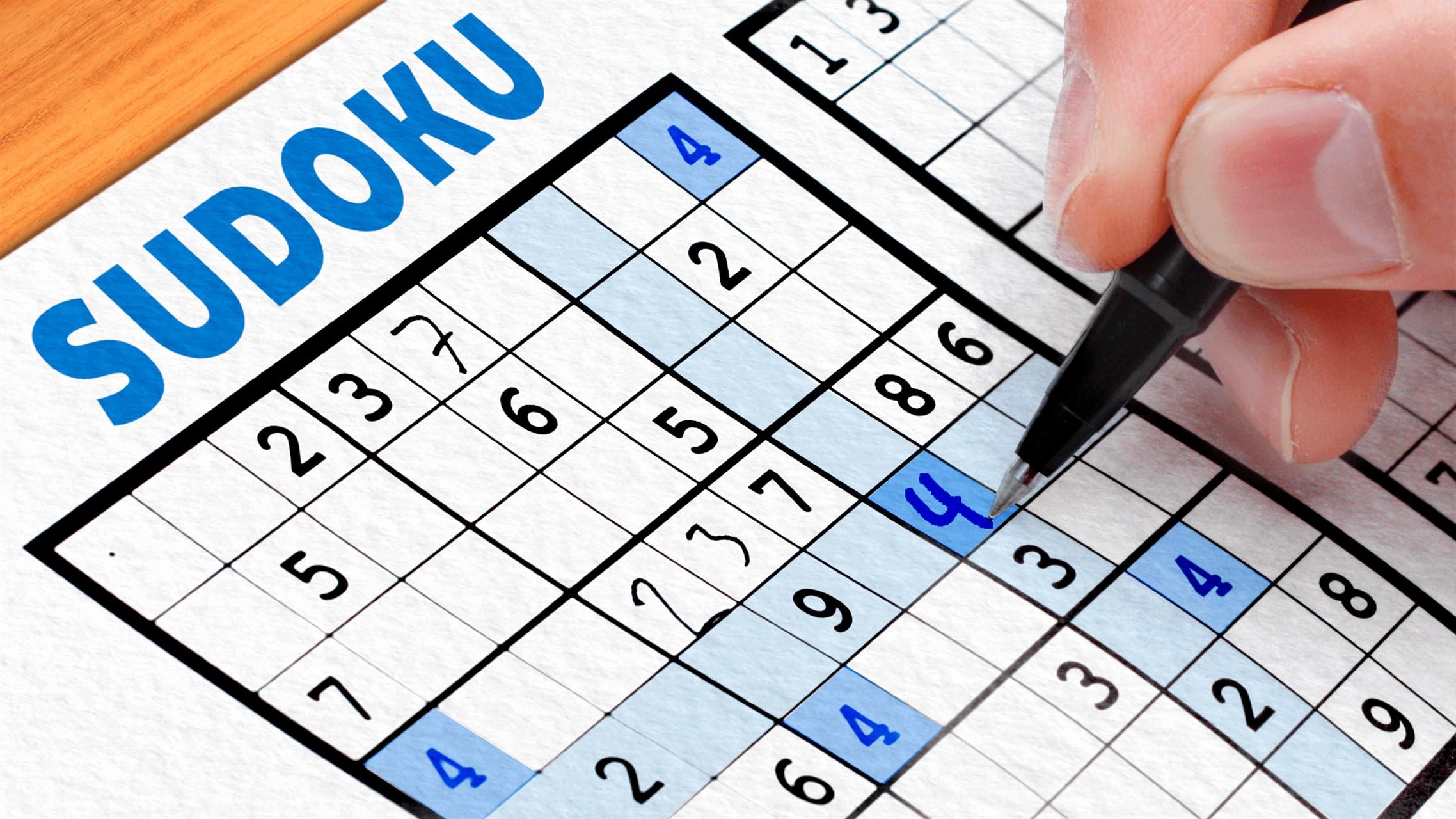
I used to hate getting stuck.
In school, at work, in life — being stuck felt like failure. It meant I wasn’t smart enough, fast enough, prepared enough.
Then I started playing Sudoku seriously.
And somehow, getting stuck became… interesting.
Not comfortable. Not pleasant. But meaningful.
The First Time I Truly Hit a Wall
I still remember the first puzzle that genuinely defeated me.
It wasn’t even labeled “expert.” Just “hard.” I thought I was ready. I had solved dozens of medium grids. I felt confident.
Too confident.
The board started smoothly. I filled in a few obvious numbers. The top left box came together quickly. Then the right side started forming patterns.
And then… nothing.
Every empty square had two or three possibilities. No single number stood out. I scanned rows. Columns. Boxes. Back to rows again. Still nothing.
I stared at that grid like it had personally betrayed me.
After twenty minutes, I gave up and hit restart.
It felt like quitting.
But the funny thing? I couldn’t stop thinking about it.
Why Being Stuck Isn’t the Same as Failing
The next day, I opened another hard puzzle. And I got stuck again.
This time, instead of restarting immediately, I tried something different. I leaned into the discomfort. I asked myself:
Why am I stuck?
What information am I missing?
Am I rushing?
That’s when I realized something important: being stuck didn’t mean the puzzle was impossible. It meant I hadn’t seen the pattern yet.
Sudoku is designed to be solvable through logic. There’s always a path forward. Sometimes it’s obvious. Sometimes it’s deeply hidden. But it’s there.
That realization changed my relationship with frustration.
The Mental Shift That Changed Everything
At some point, I stopped trying to “win” quickly.
Instead, I started observing.
When I couldn’t find an answer, I’d zoom out and look at the entire board. Often, the clue wasn’t in the area I was obsessing over. It was somewhere completely different.
One missing number in a distant box could unlock the section that felt impossible.
That shift — from forcing progress to patiently scanning — made solving more enjoyable.
I wasn’t fighting the grid anymore.
I was studying it.
And strangely, the longer I sat with a puzzle, the calmer I felt.
The Emotional Stages of a Difficult Grid
Solving a challenging puzzle feels like a mini psychological journey.
Stage 1: Optimism
“This looks manageable.”
Stage 2: Momentum
“Oh nice, that fits. And that too.”
Stage 3: Frustration
“Why does nothing work anymore?”
Stage 4: Doubt
“Maybe I’m not as good at this as I thought.”
Stage 5: Breakthrough
“Wait… if that’s a 6, then this has to be a 3…”
Stage 6: Flow
Everything starts connecting. The grid transforms from chaos into structure.
Stage 7: Satisfaction
The final number clicks into place.
Every single time, that emotional arc feels real.
It’s funny how nine digits can trigger such a range of feelings.
Real-Life Moments of Unexpected Focus
One of my favorite memories happened during a stressful week at work. Deadlines were piling up. My mind felt scattered. I couldn’t concentrate on anything for long.
One evening, instead of watching random videos, I opened a puzzle.
At first, my thoughts kept drifting back to emails and unfinished tasks. But slowly, the grid pulled me in. I had to focus. There was no room for multitasking.
For thirty minutes, the only thing that mattered was whether a 4 or a 7 belonged in a specific square.
When I finished, something unexpected happened.
I felt clearer.
The stress hadn’t disappeared, but my mind felt organized — like I had practiced putting things in order.
That’s when I realized this wasn’t just entertainment. It was mental training.
Small Techniques That Help When You’re Stuck
If you’ve ever felt frozen in the middle of a grid, here are a few tricks that helped me.
1. Switch Sections
If one box feels impossible, move to another area entirely. Progress elsewhere can unlock what felt blocked.
2. Write Down Candidates
Listing possible numbers in small notes makes patterns visible. Sometimes seeing the options visually triggers insight.
3. Slow Down Your Eyes
Instead of scanning quickly, deliberately check each number from 1 to 9. Ask: where can this number go in this box?
4. Take Breaks Without Guilt
Walking away isn’t quitting. It’s resetting your focus.
I’ve solved some of my toughest grids within minutes of returning after a break.
What Sudoku Quietly Taught Me
The biggest lesson wasn’t about numbers.
It was about patience.
In a world where we expect instant answers and quick results, this game refuses to rush. It rewards careful observation. It punishes careless assumptions.
I’ve caught myself applying the same logic outside the game.
When facing a complicated decision, I now pause instead of reacting immediately. I gather information. I eliminate impossibilities. I look for patterns.
Progress doesn’t always come from pushing harder.
Sometimes it comes from thinking better.
The Beauty of the Final Square
There’s something deeply satisfying about the last move.
The board is almost complete. Just one empty square left. You double-check everything before placing that final number.
Click.
Done.
The grid looks balanced. Perfect. Every row aligned. Every box complete.
It’s such a small victory.
But it feels earned.
And maybe that’s why I keep coming back.
Not for flashy rewards. Not for competition.
For that quiet, earned satisfaction.
Why I’ve Learned to Appreciate Getting Stuck
Now, when I hit a wall in a puzzle, I don’t immediately feel frustrated.
I feel curious.
What am I missing?
That curiosity changed everything.
Because the moment of being stuck is often right before a breakthrough.

 English
 Arabic
 French
 Spanish
 Portuguese
 Deutsch
 Turkish
 Dutch
Dutch
 Italiano
 Romaian
 Portuguese (Brazil)
 Greek
Greek