Does Your Trailer Need Climate Controlled Storage?
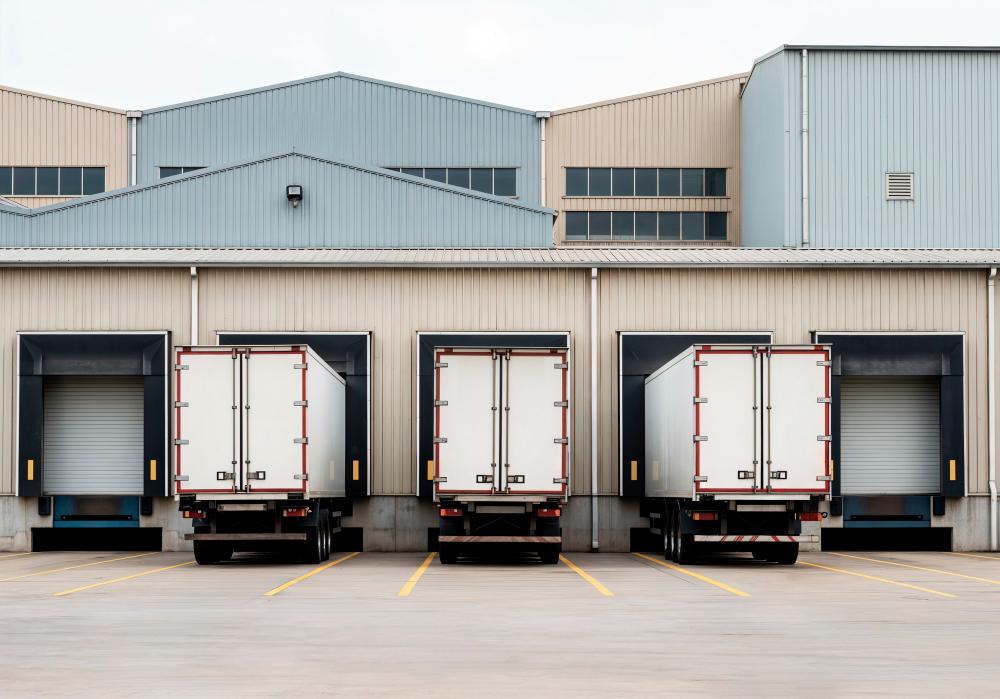
Many people store trailers for weeks or even months. Some sit idle between trips, while others stay parked during off seasons. Weather, dust, and humidity can slowly affect them. That is why many owners now consider climate-controlled trailer storage before choosing a unit. You might wonder if it really makes a difference. The answer depends on how you use your trailer, where you live, and how long you plan to store it.
Let’s explore what climate-controlled storage is, when it’s necessary, and how it can protect your trailer over time.
What Climate Controlled Storage Actually Means
Climate controlled storage keeps the inside temperature steady and also helps manage humidity levels. Standard storage protects from rain and sun, but indoor climate regulated units go a step further.
You get protection from heat waves, cold spells, and damp air. These conditions can cause wear faster than you might expect, especially if your trailer has electronics, wood panels, upholstery, or rubber seals.
Temperature Control Helps Prevent Hidden Issues
Heat can dry out seals and tires, causing cracks that might lead to leaks later. Cold air can stiffen rubber parts. Condensation may form when temperatures shift quickly. Over time, these small changes lead to rust, cracks, or mildew. Climate controlled storage reduces these risks.
Humidity Control Supports Interior Condition
Moist air often leads to mold, musty smells, or stains. Fabrics absorb moisture easily, and cushions, carpets, and curtains suffer first. Even wiring and metal fittings can corrode if humidity stays high. A controlled environment helps maintain the interior condition longer, keeping your trailer feeling like new.
When Regular Storage Works Fine
Not every trailer needs climate control. Sometimes basic covered storage is enough.
- Short-term storage usually causes fewer problems. If you only store your trailer for a few weeks, the exposure risk is lower.
- Dry climates reduce moisture concerns. If your area stays mostly dry, standard storage often works.
- Older trailers with simple interiors handle weather better since they contain fewer sensitive materials.
Even with basic storage, it is still wise to do periodic checks. Small problems can be spotted and fixed before they become costly.
Situations Where Climate Control Makes Sense
Certain situations make climate controlled storage worth the investment. Consider it if you match any of these scenarios:
Long-Term Trailer Storage
Extended storage increases exposure time. Months of fluctuating weather slowly affect components. Climate control limits steady wear, helping your trailer remain road-ready for longer.
New or High-Value Trailers
If your trailer represents a big investment, protection matters. Interior finish, appliances, and electronics last longer when stored in stable conditions. Preserving the trailer’s value also saves money on repairs in the future.
Seasonal Weather Extremes
Regions with hot summers and cold winters cause constant expansion and contraction in materials. Climate control reduces these swings, preventing warping, cracking, and other long-term damage.
Travel Trailers with Detailed Interiors
Modern travel trailers often include TVs, kitchen units, wood trim, soft furnishings, and other sensitive components. These materials are prone to damage in fluctuating conditions, making climate control the safer choice.
Common Risks Without Climate Control
Even trailers that look fine on the outside may face hidden problems. Knowing the risks helps you decide.
- Moisture damage: High humidity causes musty odors, fabric stains, and soft wood areas. Over time, mold can develop.
- Cracked seals and tires: Rubber parts degrade faster in extreme temperatures, causing leaks and potential tire failure.
- Electronics failure: Heat can damage wiring, appliances, and built-in entertainment systems. Cold can make components brittle.
- Paint and finish issues: Sun, heat, and sudden temperature changes fade paint, warp paneling, or cause blisters.
- Odor build-up: Moisture trapped inside a trailer leads to stale smells that are hard to remove later.
These problems rarely appear overnight. They accumulate gradually, often unnoticed until it’s too late.
How Climate Control Supports Trailer Longevity
Consistent temperature and humidity help your trailer last longer.
- Metal parts remain drier and rust less.
- Wood components stay stable and avoid warping.
- Upholstery and fabrics resist mildew and maintain their shape.
- Plastic and rubber components stay flexible instead of cracking.
Many owners notice fewer repairs after using climate controlled storage. While it doesn’t remove all maintenance needs, it reduces some of the most common problems.
Preparing Your Trailer Before Storage
Even with climate control, proper preparation adds protection.
- Clean the interior thoroughly: Remove food, wipe surfaces, and vacuum. Dirt can trap moisture.
- Check for leaks: Seal any gaps or cracks before storage.
- Disconnect batteries: Prevent electrical issues during long-term storage.
- Cover tires and windows: Tires degrade and interiors fade under temperature fluctuations.
- Ventilate slightly: Slight airflow reduces moisture trapped inside.
- Lubricate moving parts: Hinges, locks, and wheels benefit from occasional oiling before storage.
Good preparation complements climate control and helps prevent unexpected repairs.
Cost Versus Protection
Climate controlled units usually cost more than standard storage. That makes many owners hesitate.
However, consider the costs of repair. Mold removal, seal replacements, or electronic repairs often exceed the difference in storage fees.
- Frequent travelers may accept basic storage.
- Long-term storage, new trailers, or trailers with sensitive interiors justify climate control.
It’s a balance between budget and protection, but for many owners, protection pays off in the long run.
Questions to Ask Before Choosing Storage
Before renting a unit, make sure to ask clear questions:
- What temperature range does the facility maintain?
- Is humidity actively controlled?
- Are units fully enclosed and secure?
- How easy is access when you need your trailer?
- What security measures are in place? Cameras, gated entry, and lighting matter for all storage types.
Clean and well-maintained facilities usually indicate better care and management.
Storage Habits That Extend Trailer Life
Simple habits can make a big difference:
- Visit your trailer occasionally to catch small issues before they become major repairs.
- Keep a maintenance checklist to track oiling, cleaning, and tire checks.
- Use protective covers for seats, mattresses, and appliances to reduce dust and moisture.
- Stay consistent: regular attention prevents last-minute emergencies.
Small steps like these go a long way in extending the life of your trailer.
Wrapping It Up
Trailer storage decisions depend on your usage, weather, and how long you plan to store it. Climate-controlled storage offers steady temperature and humidity levels, protecting interiors, electronics, seals, and finishes over time. If you store your trailer long-term or face strong seasonal weather, climate control often makes sense.
For reliable storage options, Schaefer Lyndon Self Storage offers secure units designed for trailer owners who want dependable protection. Our facility focuses on safety, accessibility, and clean storage conditions. You can also check monthly storage rates to find the unit that works best for your trailer. Choosing the right storage today keeps your trailer ready for the road tomorrow.
 Dutch
Dutch
 English
 Arabic
 French
 Spanish
 Portuguese
 Deutsch
 Turkish
 Italiano
 Russian
 Romaian
 Portuguese (Brazil)
 Greek
Greek