


Exploring the Human Brain Through Structure, Function, and Curiosity
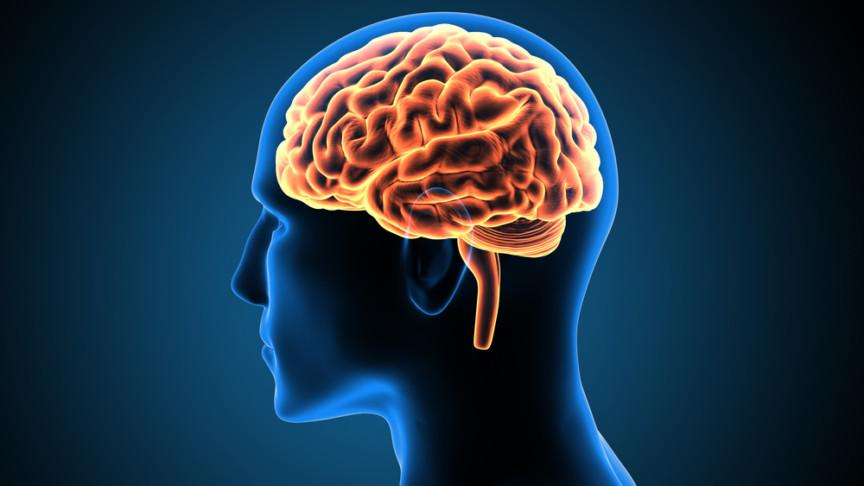
The human brain is one of the most intricate and fascinating systems in existence, responsible for every thought, emotion, memory, and movement. Cortex Curious was created for individuals who want to go beyond surface-level explanations and truly understand how the brain is organized anatomically and functionally. By focusing on real brain structures and their roles, learners gain a deeper appreciation for how cognition, behavior, and perception are formed.
Why Understanding Brain Anatomy Matters
Brain anatomy provides the foundation for understanding how we think, feel, and interact with the world. Each region of the brain serves a specific purpose, working in harmony with other areas to support daily functioning. Learning about these structures allows students, educators, and curious minds to visualize processes that are often described abstractly.
Rather than memorizing isolated facts, anatomical learning creates mental maps. These maps help learners connect structure to function, making neuroscience more intuitive and engaging.
Anatomy as a Learning Tool
When learners understand where a function occurs in the brain, retention improves. Concepts such as memory formation, sensory processing, and emotional regulation become clearer when tied to specific regions.
Bridging Science and Curiosity
Curiosity drives learning forward. A structured approach to brain anatomy satisfies that curiosity while building a strong scientific foundation that supports deeper exploration.
The Organization of the Brain: A Functional Overview
The brain is divided into distinct regions, each contributing to different aspects of human experience. Understanding how these regions interact provides insight into both simple and complex behaviors.
The Cerebral Cortex
The cerebral cortex is responsible for higher-level functions such as reasoning, language, decision-making, and voluntary movement. Its folded structure increases surface area, allowing for advanced cognitive processing.
Subcortical Structures
Beneath the cortex lie structures essential for emotion, memory, and coordination. These regions work continuously with the cortex to support balanced brain activity.
Brainstem and Survival Functions
The brainstem regulates vital functions such as breathing, heart rate, and alertness. Its role highlights how anatomical organization supports both survival and conscious experience.
Learning the Brain in Concrete, Visual Terms
Abstract explanations can make neuroscience feel inaccessible. Anatomical learning transforms complexity into clarity by grounding concepts in physical structure.
Visualizing Brain Pathways
Understanding how signals travel through neural pathways enhances comprehension. Visual learning tools help illustrate how regions communicate to produce behavior and thought.
Connecting Structure to Experience
When learners associate emotions or actions with specific brain areas, neuroscience becomes relatable. This connection encourages deeper engagement and long-term understanding.
Who Benefits From Anatomical Brain Education
Brain education is valuable across many fields and interests. Anatomical knowledge supports academic growth, professional development, and personal curiosity.
Students and Educators
Students benefit from structured explanations that make learning intuitive, while educators gain resources that support clear instruction and engagement.
Health and Wellness Enthusiasts
Understanding the brain’s organization empowers individuals to appreciate cognitive health and mental performance from a scientific perspective.
Lifelong Learners
Curiosity does not fade with age. Brain anatomy offers endless opportunities for discovery, reflection, and intellectual growth.
How Curiosity Enhances Brain Learning
Curiosity activates motivation and focus, making learning more effective. When individuals explore topics they genuinely care about, comprehension deepens naturally.
Active Exploration
Engaged learners ask questions, seek connections, and revisit concepts. This active approach strengthens understanding and encourages continuous growth.
Building Knowledge Step by Step
A structured learning path allows curiosity to flourish without becoming overwhelming. Each concept builds upon the last, reinforcing clarity.
Making Neuroscience Accessible and Engaging
Accessibility is key to meaningful learning. When complex topics are presented clearly, learners gain confidence and motivation.
Simplifying Without Losing Depth
Effective educational resources balance simplicity with accuracy. Clear explanations maintain scientific integrity while remaining approachable.
Encouraging Independent Learning
Well-organized content supports self-paced exploration, allowing learners to dive deeper into topics that spark their interest.
The Role of Educational Platforms in Brain Learning
Digital platforms play a vital role in modern education by providing structured, accessible content for global audiences.
Reliable, Focused Resources
Focused educational platforms help learners avoid information overload by delivering well-organized, topic-specific insights.
Learning Through Exploration
Interactive and exploratory learning methods align naturally with curiosity, making complex subjects more enjoyable and memorable.
Expanding Knowledge Through Structured Curiosity
Anatomical brain education is not just about acquiring facts—it’s about understanding systems. Structured curiosity leads learners to ask better questions and discover meaningful connections.
As learners explore brain regions, pathways, and functions, they develop a comprehensive understanding that supports both academic and personal growth.
A Trusted Destination for Brain Exploration
For those seeking a reliable and engaging way to explore brain anatomy, cortexcurious.com offers a focused learning environment designed for students, educators, and lifelong learners alike. By presenting neuroscience in clear, anatomical terms, cortexcurious helps curious minds understand how different brain regions contribute to thinking, emotion, memory, and behavior.
Continuing the Journey of Brain Discovery
Understanding the brain is an ongoing journey fueled by curiosity and learning. With the right resources, complex concepts become approachable, and exploration becomes rewarding. By grounding neuroscience in anatomy and structure, learners gain clarity, confidence, and a deeper appreciation for the brain’s remarkable design.
 Spanish
 English
 Arabic
 French
 Portuguese
 Deutsch
 Turkish
 Dutch
Dutch
 Italiano
 Russian
 Romaian
 Portuguese (Brazil)
 Greek
Greek