


Best Grow Lights For Autoflowering Complete Buyer’s Guide (2026)
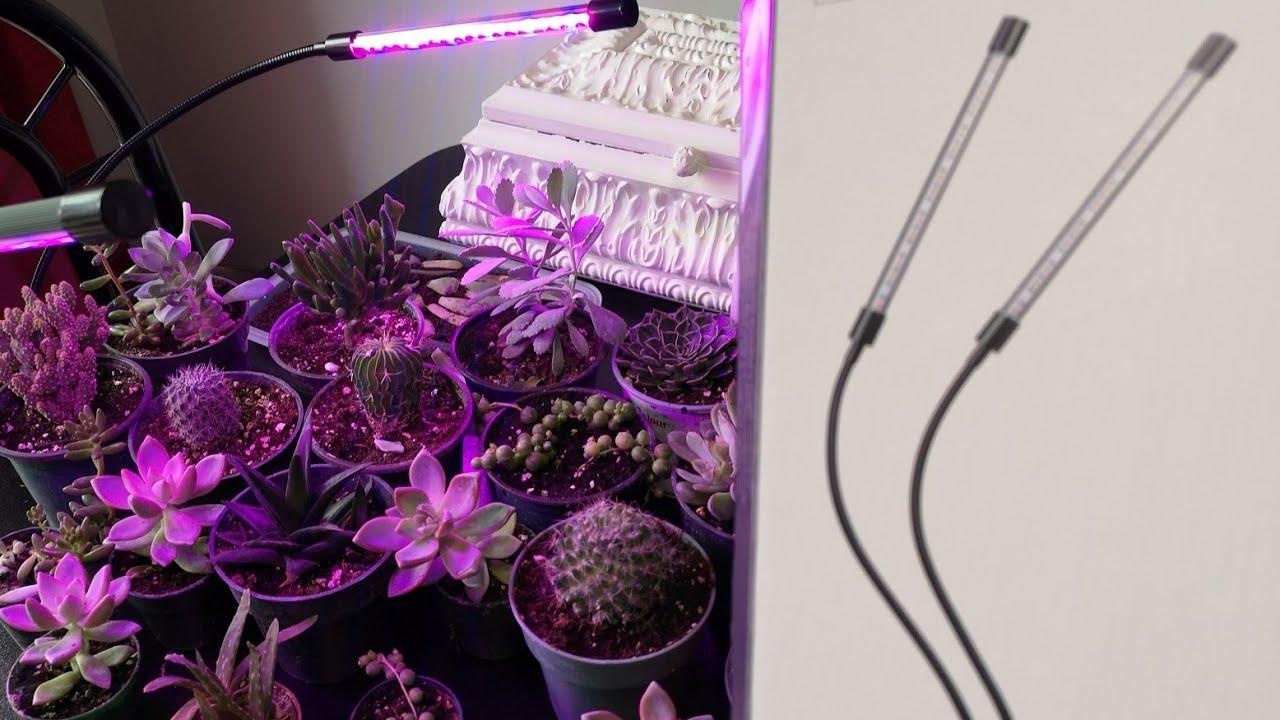
Growing autoflowering plants indoors has become extremely popular among beginners and experienced growers alike. These plants are fast, compact, and easy to manage, but they still require the right lighting to reach their full potential. Choosing the Best Grow Lights For Autoflowering can dramatically improve growth speed, yield, and overall plant health.
In this detailed guide, you will learn everything about grow lights, how they work, what features to look for, and which types of lights are best for autoflowering plants.
What Are Autoflowering Plants?
Autoflowering plants are unique because they do not rely on light cycles to begin flowering. Unlike photoperiod plants, autoflowers switch to the flowering stage automatically after a few weeks of growth.
This means you don’t need to change light schedules to trigger flowering. However, proper lighting is still critical because these plants have a short life cycle. Every day of growth matters, and poor lighting can reduce yield significantly.
Why Grow Lights Matter for Autoflowering Plants
Light is the main energy source for plants. Indoor plants cannot rely on sunlight alone, so artificial grow lights mimic the sun’s spectrum.
The right grow light will:
-
Boost plant growth and root development
-
Increase bud and flower production
-
Improve plant structure and compactness
-
Enhance color, flavor, and potency
-
Reduce stretching and weak stems
Without proper lighting, autoflowering plants can become thin, weak, and produce very small yields.
Types of Grow Lights for Autoflowering
Each has its own advantages and disadvantages.
1. LED Grow Lights (Most Recommended)
LED grow lights are currently the most popular option for indoor growers. They are energy-efficient, produce low heat, and last for many years.
Modern LED lights offer full-spectrum lighting, meaning they provide blue, red, and white wavelengths that support all growth stages. High-end LEDs can also reduce electricity costs and deliver better yields than older lighting technologies.
Advantages:
-
Very energy efficient
-
Low heat output
-
Long lifespan (50,000+ hours)
-
Full-spectrum light for all stages
-
Low maintenance
Disadvantages:
-
Higher initial cost
2. HPS (High Pressure Sodium) Lights
HPS lights have been used for decades. They are powerful and great for flowering because they emit a strong red spectrum. However, they produce a lot of heat and consume more electricity.
Advantages:
-
High light intensity
-
Excellent for flowering stage
-
Cheaper initial cost
Disadvantages:
-
High heat output
-
Higher electricity bills
-
Bulbs need replacement
3. MH (Metal Halide) Lights
Metal Halide lights are best for vegetative growth because they emit more blue light. Many growers use MH for veg and switch to HPS for flowering.
Advantages:
-
Good for vegetative stage
-
Strong light intensity
Disadvantages:
-
High heat
-
Higher power consumption
-
Bulbs need replacement
4. Fluorescent and CFL Grow Lights
Fluorescent lights are good for seedlings and small grows. However, they are not strong enough for full flowering cycles.
Advantages:
-
Cheap
-
Low heat
-
Good for seedlings
Disadvantages:
-
Low light intensity
-
Not suitable for large grows
Best Grow Lights For Autoflowering Key Features to Look For
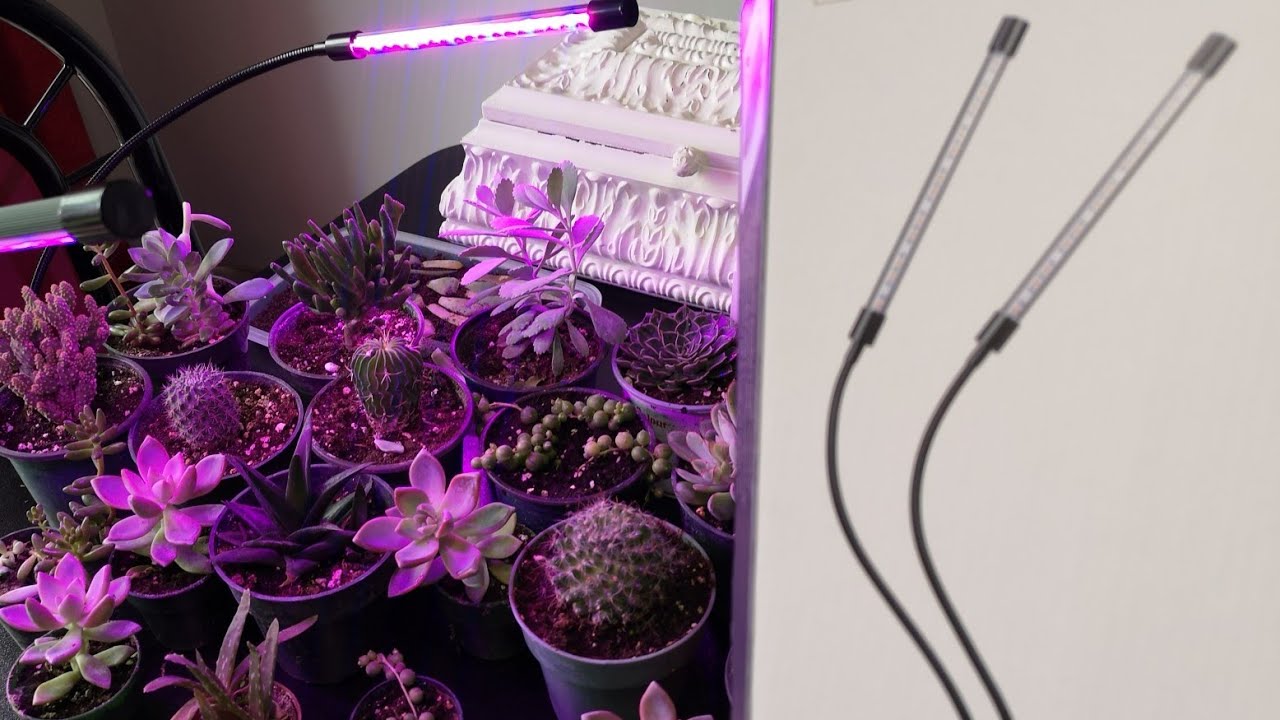
When choosing grow lights, you should focus on several important features.
1. Full Spectrum Light
Blue light helps vegetative growth, while red light promotes flowering.
2. PPFD and PAR Output
PPFD measures how much usable light reaches the plant canopy. Autoflowers generally need:
-
Seedlings: 100–300 PPFD
-
Vegetative stage: 300–500 PPFD
-
Flowering stage: 600–1000 PPFD
3. Wattage and Coverage Area
Choose a light that matches your grow space. Small tents need 100–300W, while larger setups may require 600W or more.
4. Energy Efficiency
Look for lights with high PPE (photosynthetic photon efficacy). Efficient lights produce more light with less electricity.
5. Heat Management
Autoflowers are sensitive to heat stress. Choose lights with cooling fans or heat sinks to maintain proper temperature.
6. Dimming and Timer Features
Built-in timers are also helpful for automation.
Light Schedule for Autoflowering Plants
Autoflowering plants do not require light schedule changes, but they still benefit from consistent lighting.
Common schedules:
-
18/6 (18 hours light, 6 hours dark)
-
20/4 (20 hours light, 4 hours dark)
-
24/0 (continuous light)
Most growers prefer 18/6 or 20/4 for best results and energy savings.
Best LED Grow Lights for Autoflowering (2026 Picks)
Here are some of the most popular grow light options used by indoor growers today:
1. Full-Spectrum Quantum Board LEDs
Quantum board LEDs are known for high efficiency and even light distribution. They are perfect for small to medium grow tents.
2. COB LED Grow Lights
COB (Chip on Board) LEDs offer high intensity and strong canopy penetration. They are ideal for dense plant canopies.
3. Bar-Style LED Grow Lights
These are professional-grade lights used in large grow rooms. They provide uniform coverage and excellent PPFD across the entire canopy.
How Many Watts Do Autoflowers Need?
Autoflowers generally require less light than large photoperiod plants. A simple rule is:
-
30–40 watts per square foot for LED lights
-
50 watts per square foot for HID lights
Small grows (1–3 plants) can perform well with 100–200W LEDs, while larger setups may need 400W or more.
Common Mistakes When Using Grow Lights
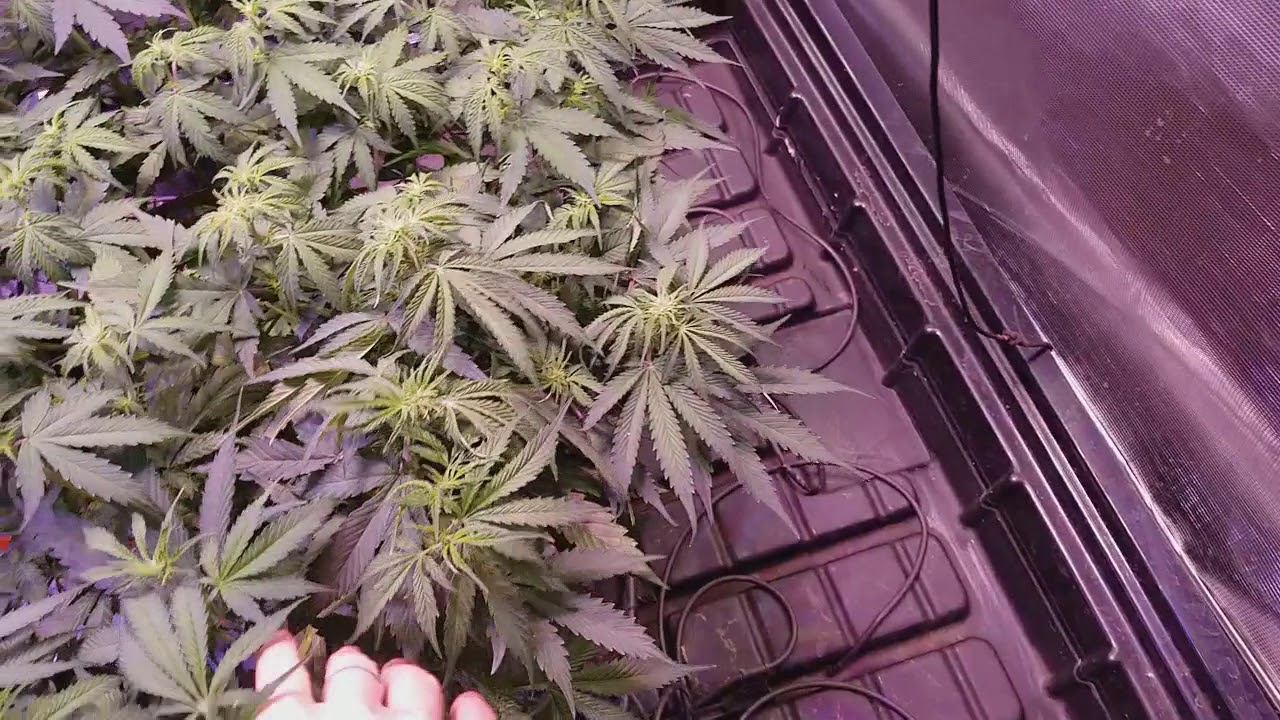
Even the Best Grow Lights For Autoflowering can fail if used incorrectly. Avoid these mistakes:
1. Hanging Lights Too Close
Lights too close can burn plants and cause stress. Always follow manufacturer height recommendations.
2. Using Weak Lights
Cheap blurple lights often lack proper spectrum and intensity, leading to poor yields.
3. Ignoring Heat and Ventilation
High temperatures reduce plant growth. Use fans and ventilation systems.
4. Not Measuring Light Intensity
Use a PPFD meter or light meter app to ensure plants receive optimal light.
LED vs HPS Which Is Better for Autoflowers?
LED lights are considered the best option for autoflowering plants today. They use less power, produce less heat, and offer customizable spectrum.
HPS lights still produce strong yields but require more cooling and electricity. For beginners, LEDs are usually the safest and most cost-effective choice.
Benefits of Using the Best Grow Lights For Autoflowering
Using high-quality grow lights provides many benefits:
-
Faster growth cycle
-
Higher yields
-
Stronger stems
-
Better flower quality
-
Lower electricity costs
-
Less heat stress
Tips to Maximize Yield with Grow Lights
Here are some expert tips to get the best results:
-
Keep lights at proper distance
-
Use reflective walls or grow tents
-
Maintain stable temperature and humidity
-
Use timers for consistent schedules
-
Avoid overwatering and nutrient burn
-
Monitor plant response and adjust intensity
Final Thoughts
Choosing the Best Grow Lights For Autoflowering is one of the most important decisions for indoor growers. A good grow light can make the difference between a small harvest and a heavy yield.
visit more about: wetelluhow

 English
 Arabic
 French
 Spanish
 Portuguese
 Deutsch
 Dutch
Dutch
 Italiano
 Russian
 Romaian
 Portuguese (Brazil)
 Greek
Greek