How Long Does A Cedar Shake Roof Last
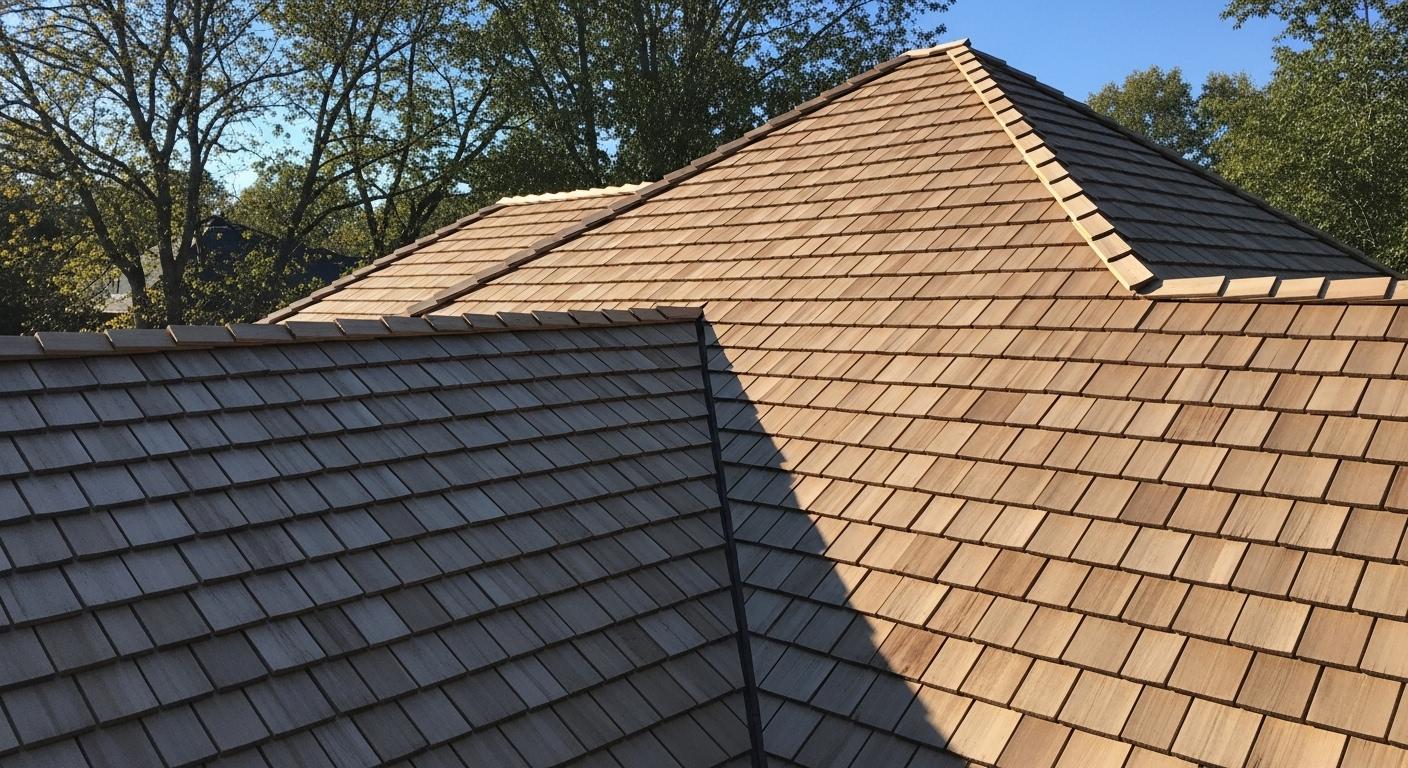
An average cedar shake roof that is properly installed can last anywhere from 25 to 30 years under typical conditions in the United States. Along with regular maintenance and high-quality materials, a cedar shake roof can last 50 years or even longer. The lifespan is affected by different factors such as the weather, the type of wood, the quality of the installation, and the level of care.
Besides serving their purpose, cedar shake roofs are a beautiful addition to homes of all kinds throughout the United States - from New England cottages to Pacific Northwest cabins. Learning about the durability of these roofs and the factors that affect it is a wise move for homeowners who wish to be properly informed. Moreover, if you want to replace the roof, it is wise to consult a professional estimating service so that you understand the expenses and maintenance that will be required.
What Is A Cedar Shake Roof?
Wooden shingles are used for the construction of cedar shake roofs. The wood is mainly Western Red Cedar. Cedar shakes are pieces of wood split by hand or machine, which give them a more natural look and texture, whereas traditional sawn shingles are flat and smooth. This natural look of the cedar shake roofing has made it very popular in the U.S., where people are looking for a product that combines both strength and beauty.
Cedar is an extremely durable wood species that has a remarkable natural resistance to fungal decay and insect infestation, but like any wood product, it is vulnerable to weathering through sun and moisture exposure that can affect the surface of the shakes over time. Furthermore, they are great for thermal insulation, thus keeping the house cool in the summertime and warm in the wintertime.
Average Lifespan Of Cedar Shake Roofs
Cedar shake roof life expectancy may vary due to several factors, including the local climate conditions, the quality of the timber, the skill and workmanship of the roofers, and the level of upkeep carried out on the roof.
|
Condition |
Expected Lifespan |
|
Average U.S. conditions |
25–30 years |
|
Well-maintained roof |
30–40 years |
|
Premium-grade cedar, ideal conditions |
50+ years |
Heartwood vs. Sapwood: Heartwood shakes are more oil-rich and, because of that, have a higher resistance to rot than sapwood, which is softer and less durable. Choosing only the finest grade of shakes can significantly increase the lifespan of the product.
Considering the Climate:
-
High-humidity regions (e.g., the Southeast U.S.) may see a decrease in the lifespan of the roof caused by the growth of moss and algae.
-
Dry and moderate climates (e.g., some areas of the Midwest) promote cedar roofs that last longer with very little maintenance.
-
Exposure to wind and storms: Proper installation and steep slopes help to withstand even strong winds.
Installation Matters
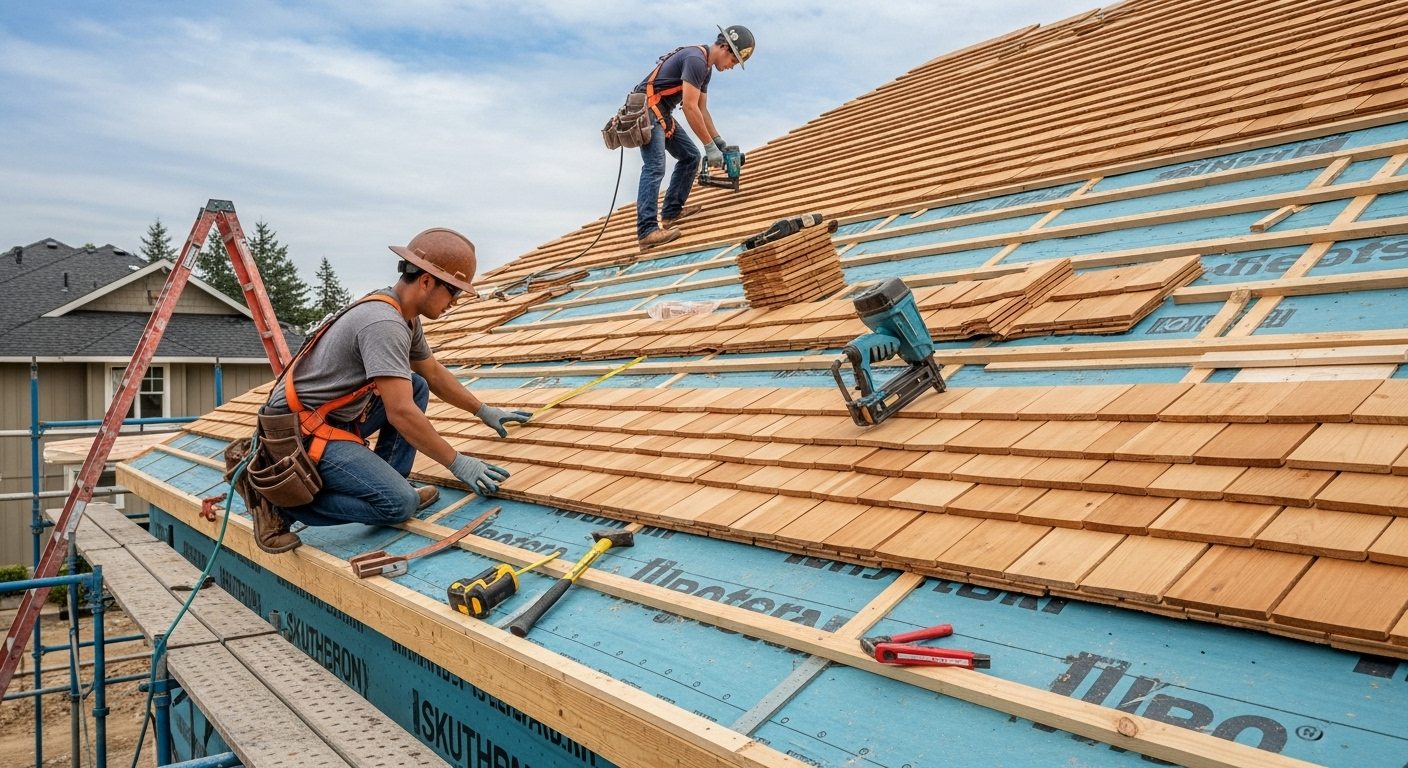
Cedar shake roof life span depends largely on the installation. A professional installation will guarantee the correct nailing, spacing, and underlayment, which will greatly affect the durability.
Roof Pitch
To encourage efficient water drainage, a minimum roof pitch of 4:12 is advised for cedar shakes. Higher roof angles help reduce water retention, which plays a key role in extending the roofing material’s lifespan something that can be accurately planned and evaluated with precise new roof estimates during the design and installation stage.
Ventilation
Proper attic ventilation helps to keep moisture in check, and without it, the roof could deteriorate quite rapidly due to the buildup of rot. It is particularly relevant in the case of the humid regions of the U.S., where moisture that gets trapped is a source of mold and can also lead to structural problems.
Underlayment And Fasteners
A good quality underlay can serve as a backup layer to prevent water from entering effortlessly. Employing stainless steel or galvanized nails can be effective in resisting rust, which otherwise damages the structural integrity of a roof.
Estimation Service Tip
One of the major things that homeowners tend to overlook is the importance of launching an accurately planned project. It is always a safe bet to call on professional estimation services when one needs to get a clear understanding of the cost of materials.
Maintenance For Long-Lasting Cedar Roofs
Cedar shakes of the best quality will still have to be maintained on a regular basis. It is highly recommended that homeowners give inspections, clean, and complete any work necessary, such as repairs or, if appropriate, replacement, to extend the life.
Cleaning And Debris Removal
Cleaning twice a year will get rid of the leaves, dirt, and other debris that keep the moisture trapped. It is the thing to do, especially when the accumulation of debris somehow gets on top of the cedar shakes.
Moss And Algae Prevention
Zinc or copper strips can be mounted close to the ridge so that the moss and algae are naturally prevented. It is a great thing to do if you happen to live in a wet climate like that of the Pacific Northwest.
Tree Trimming
Tree branches, when trimmed, result in less shade and thus less moisture accumulation and quicker drying of cedar shakes after rain.
Regular Inspections
Taking a look around the roof every year will help to detect early signs of splits, warps, or loose shakes. This way, the problem will not be hidden for too long, and you will be able to prevent a costly repair later on.
Repairing Shakes
Flipping out an individual shake is the most important thing if you want to keep the roof in good shape. If you put off the repair, the water may find its way through, and then the whole roof structure will be compromised.
Cedar Shake Roof Costs In The U.S.
Since cedar shake roofs are a high-end roofing material, their price usually corresponds to the durability and look that they bring to the table.
|
Cost Component |
Typical U.S. Price |
|
Material (per sq. ft.) |
$4–$8 |
|
Installation (per sq. ft.) |
$2–$4 |
|
Total installed cost |
$6–$12 per sq. ft. |
|
Maintenance (annual average) |
$200–$500 |
Cedar roofs tend to be pricier than asphalt shingles. However, their potential lifespan and energy efficiency usually make them worth the extra money. If homeowners are budgeting their project carefully with the help of an estimation service, they can not only avoid surprises but also guarantee that their new roof will serve them well for many years.
Cedar Roofs In Various Climates Of The U.S.
Cedar shake roofs have different reactions depending on the weather conditions in the area.
Humid Southeast
The combination of heavy rain and high humidity speeds up the growth of moss and algae. It is therefore necessary to wash the roof quite often and use preventive treatments to keep the problem under control.
Northeast
As snow and ice may make the roof vulnerable, it is very important to have the correct inclination of the roof, good ventilation, and snow guards.
Pacific Northwest
Since it is raining a lot and generally wet, there is a need for the prevention of moss and very prompt cleaning.
Southwest
Although the sun is very bright and can make cedar gradually lose its color, dry conditions hinder the occurrence of rot and water damage, thus increasing the lifespan.
Advantages Of Cedar Shake Roofs
Besides long durability, cedar shake roofs will also give you a gain in both appearance and functionality:
-
Naturally, the cedar acts as an insulator and helps to keep the house cool during summer and warm during winter.
-
Environmentally friendly: Cedar is a renewable resource, fully biodegradable, and free from harmful chemicals.
-
Great outdoor looks: It brings a natural style to the home exterior, and it also adds to the real estate value.
-
When maintained properly, it lasts long, and it is safe from insects and minor weather damage.
Conclusion
With their classic charm and impressive durability, cedar shake roofs have become one of the most favored roof choices among U.S. homeowners. Though the average roof life expectancy is around 25 to 30 years, with diligent upkeep, high-grade installation, and wise planning, a roof's life can be stretched to 50 years and even beyond. Performance is largely affected by factors such as climate, the quality of wood, and ventilation.
If homeowners allocate their resources to regular inspections and cleaning, trimming the trees, and repairing the issues without delay, they will be able to enjoy the perks of cedar shakes for a really long time. Moreover, collaborating with professionals or an estimation service is highly beneficial since it helps to set the budget, guarantees the installation of the roof in the right manner, and thus, the roof's long life is ensured.
FAQs
Q1: How Long Will A Cedar Shake Roof Last In The U.S.?
A: Average 25-30 years; well-maintained roofs can last 30-50 years depending on climate and materials.
Q2: Are Cedar Shake Roofs Fire-Resistant?
A: Naturally combustible, but treated shakes can meet a Class B fire rating. Class A options are available in some areas.
Q3: How Much Does A Cedar Shake Roof Cost?
A: Installed costs range from $6–$12 per sq. ft., depending on quality and region.
Q4: Can Cedar Shakes Be Installed Over Existing Shingles?
A: It’s generally not recommended. Removing old layers ensures proper installation and ventilation.
Q5: How Can I Extend The Lifespan Of My Cedar Roof?
A: Regular cleaning, moss/algae prevention, prompt repairs, proper ventilation, and consulting professional services.

 English
 Arabic
 French
 Spanish
 Portuguese
 Deutsch
 Turkish
 Dutch
Dutch
 Russian
 Romaian
 Portuguese (Brazil)
 Greek
Greek