The Delicate Touch: Facelift Challenges in Thin-Skinned Patients
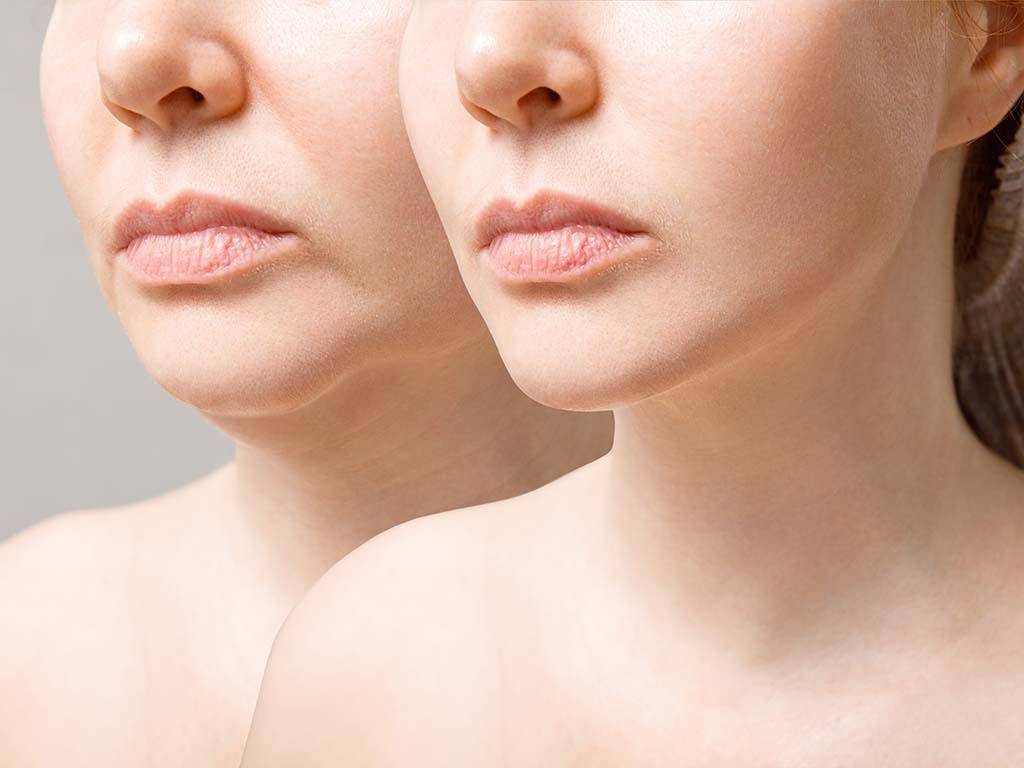
Facial aging affects everyone, but the challenges of correction differ vastly depending on skin type. Patients with thick, heavy skin struggle with gravity and weight. Patients with thin, translucent skin, however, face a different set of challenges. Thin skin shows everything. It is prone to fine etching, rippling, and transparency. While thin skin often retracts well, it offers zero camouflage for the surgeon. Any irregularity in the underlying muscle or any tension on the incision is immediately visible.
For thin-skinned patients considering a facelift Oahu, the surgical approach must be modified to ensure a smooth, natural result. The standard techniques that work for average skin can leave thin-skinned patients looking "pulled" or showing visible ridges. We treat these patients with a "delicate touch" protocol, prioritizing layering and volume restoration to provide a cushion between the deep structures and the surface.
The Risk of Rippling and Irregularities
In a facelift, we tighten the SMAS layer beneath the skin. In a patient with thick skin, this layer is well-padded. In a thin-skinned patient, the skin sits directly on top of the SMAS. If the SMAS is pleated or folded unevenly, those ridges will show through the skin like wrinkles in a silk dress. To prevent this, we often perform a SMASectomy (cutting and flushing the edges) or use a very smooth, continuous suturing technique to ensure the underlying bed is perfectly flat. We also avoid placing superficial sutures that could create dimples.
The Role of Fat Grafting as a Buffer
Fat grafting is almost mandatory for thin-skinned facelift patients. Injecting a layer of the patient's own fat acts as a biological buffer. It thickens the subcutaneous layer, providing coverage for the underlying work. It also improves the quality of the skin itself. The stem cells in the fat graft help to rejuvenate the dermis, making it slightly thicker and more resilient over time. This restores the "creamy" look of youthful skin that thin-skinned patients often lose early.
Gentle Handling and Scar Care
Thin skin is fragile. It can tear easily and has a delicate blood supply. The dissection must be meticulous to preserve the vascular network. Post-operatively, scarring can be unpredictable; thin skin can sometimes stretch, leading to widened scars. We use meticulous, tension-free closure techniques and keep sutures in place slightly longer or use supportive tapes to ensure the incision is fully healed before it bears any stress. Sun protection is also doubly important for these patients to prevent incision transparency.
The "Shrink Wrap" Advantage
Despite the challenges, there is a major advantage to having thin skin: it creates a very sharp, defined contour. Once the deep structures are lifted and the excess skin is removed, thin skin contours tightly to the new jawline and neck angle. These patients often get the most dramatic "snatched" results because there is no bulky fat to obscure the definition. With the right technical adjustments, thin-skinned candidates can achieve elegant, refined results.
Conclusion
Thin skin requires a master surgeon’s hand. By recognizing the unique properties of delicate tissue and utilizing buffering techniques like fat grafting, we can create smooth, natural, and highly defined results without compromising safety.
Call to Action
If you have delicate skin and are worried about surgery, contact us to discuss our specialized techniques for thin-skinned patients.
 Spanish
 English
 Arabic
 French
 Portuguese
 Deutsch
 Turkish
 Dutch
Dutch
 Italiano
 Russian
 Romaian
 Portuguese (Brazil)
 Greek
Greek