


What to Do in a Dental Emergency: A Guide for Broken Teeth, Infections & Severe Pain
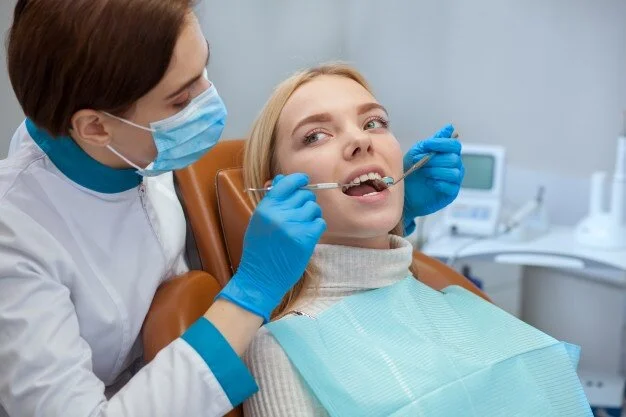
A dental emergency can strike without warning. One moment you’re enjoying a meal, and the next, you’re dealing with the sharp shock of a broken tooth or the relentless throb of a severe toothache. In these stressful moments, knowing exactly what to do can make all the difference in saving your tooth, managing pain, and preventing serious complications.
Here’s your step-by-step action plan for common dental emergencies.
Step 1: Don’t Panic – Assess the Situation
First, take a deep breath. Carefully identify the problem:
-
Broken or Chipped Tooth: Is it a small chip or a large fracture? Is the tooth bleeding?
-
Severe Toothache: Is the pain constant or throbbing? Is there swelling in your gum or face?
-
Suspected Infection (Abscess): Do you have severe pain, a pimple-like bump on the gum, fever, or significant facial swelling? Facial swelling is a major red flag.
Step 2: Immediate At-Home First Aid
For a Broken Tooth:
-
Save any pieces. Rinse them with warm water.
-
Rinse your mouth gently with warm water.
-
If there’s bleeding, apply gentle pressure with a piece of sterile gauze for 10-15 minutes.
-
Use a cold compress on the outside of your cheek to reduce swelling.
-
If the fracture is sharp, cover it with dental wax (available at pharmacies) or sugarless gum to protect your cheek and tongue.
For a Severe Toothache or Infection:
-
Rinse your mouth with warm salt water to help cleanse the area and reduce irritation.
-
Gently floss around the tooth to ensure no trapped food is causing the pain.
-
Do not apply aspirin or any painkiller directly to the gum, as this can burn the tissue.
-
Use a cold compress on the cheek for swelling and pain relief.
-
Take over-the-counter pain relievers (like ibuprofen or acetaminophen) as directed on the label for pain management.
Step 3: Contact Your Dentist Immediately
This is the most critical step. Call your regular dentist as soon as possible. Most dental offices have emergency slots or an on-call service for urgent cases. Clearly explain your symptoms:
-
“I have a tooth broken down to the gum line.”
-
“I have unbearable tooth pain and swelling.”
-
“I have a fever with my toothache.”
If you cannot reach your dentist, or it’s after hours:
-
Go to an Emergency Dental Clinic: Search online for "[Your City] emergency dentist" or use the American Dental Association's Find-A-Dentist tool.
-
Visit an Urgent Care Center: They can help manage infection with antibiotics and control pain, but cannot perform dental procedures.
-
For Life-Threatening Symptoms, Go to the ER: Go to a hospital emergency room immediately if you have:
-
Difficulty breathing or swallowing.
-
High fever with facial swelling.
-
Uncontrollable bleeding.
-
Trauma to the face or jaw.
-
Step 4: What to Expect & How to Prepare
When you get to the dentist, they will:
-
Perform an exam and likely take an X-ray.
-
For a broken tooth, treatment may range from bonding for a chip to a root canal and crown for a severe break.
-
For an infection or abscess, the goal is to drain it and eliminate the infection, often with a root canal or extraction, and prescribe antibiotics.
-
For a severe toothache, they will diagnose the cause (often decay or infection) and provide definitive treatment.
Before your appointment:
-
Have your dental insurance information ready.
-
Avoid eating on the affected side.
-
Stick to soft foods and avoid extreme temperatures.
Prevention is the Best Medicine
While emergencies happen, you can reduce your risk:
-
Wear a mouthguard during sports.
-
Avoid chewing ice, hard candy, or non-food objects.
-
Maintain excellent oral hygiene with twice-daily brushing and daily flossing.
-
See your dentist for regular check-ups to catch small problems before they become big, painful ones.
The Bottom Line
A dental emergency is frightening, but prompt, calm action can save your smile. Don’t "wait and see" with severe pain or swelling dental infections can spread and become serious. Your immediate priorities are to manage pain, preserve the tooth if possible, and get professional care without delay. Your dental health is a vital part of your overall well-being, so never hesitate to seek the urgent care you need.
 Spanish
 English
 Arabic
 French
 Portuguese
 Deutsch
 Turkish
 Dutch
Dutch
 Italiano
 Russian
 Romaian
 Portuguese (Brazil)
 Greek
Greek