


Premature Ejaculation: Causes, Symptoms, Diagnosis, and Treatment Options
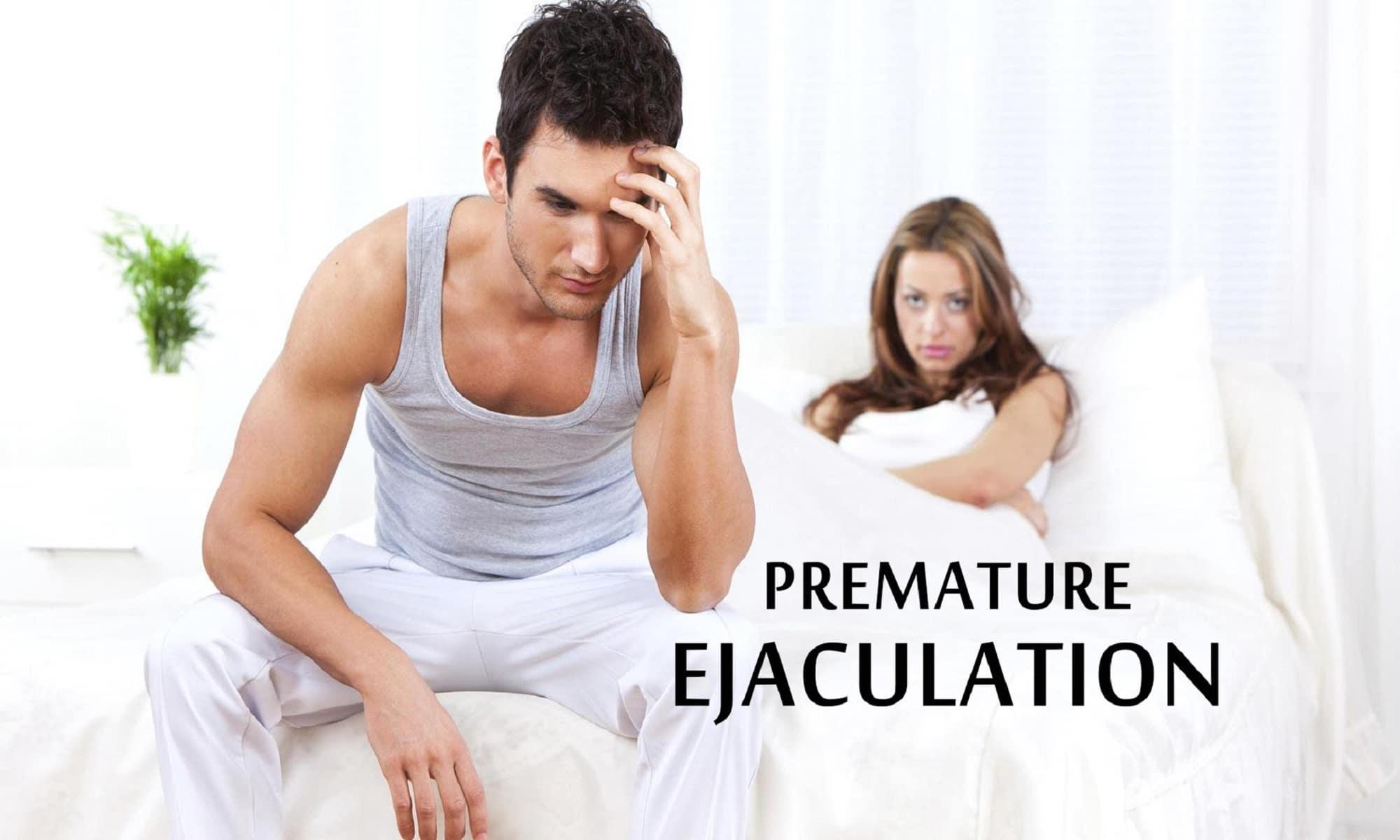
Premature ejaculation (PE) is one of the most common male sexual health concerns worldwide, affecting men of all ages. Despite how widespread it is, many men feel embarrassed or reluctant to discuss it, leading to unnecessary stress, relationship problems, and a reduced quality of life. The good news is that premature ejaculation is highly treatable, and most men can regain control with the right combination of medical guidance, behavioral techniques, and lifestyle changes.
This comprehensive guide explains what premature ejaculation is, why it happens, how it is diagnosed, and the most effective modern treatment options available today.
What Is Premature Ejaculation?
Premature ejaculation is a sexual dysfunction in which a man ejaculates sooner than he or his partner would like during sexual activity. It typically occurs either:
-
Before penetration, or
-
Within one minute of penetration, with little or no ability to delay ejaculation.
The key factor is not just the timing but also loss of control and personal distress. If early ejaculation happens occasionally, it is considered normal. However, when it occurs frequently and causes frustration, anxiety, or relationship problems, it becomes a medical condition that should be addressed.
Types of Premature Ejaculation
There are two main types of premature ejaculation:
1. Lifelong (Primary) Premature Ejaculation
This type begins with a man’s first sexual experiences and persists throughout life. It is often linked to genetic factors, neurobiological sensitivity, or early conditioning.
2. Acquired (Secondary) Premature Ejaculation
This develops later in life after a period of normal sexual function. It is usually associated with physical or psychological issues such as erectile dysfunction, stress, hormonal changes, prostatitis, or relationship difficulties.
How Common Is Premature Ejaculation?
Premature ejaculation is far more common than many people realize. Studies estimate that 20–30% of men worldwide experience PE at some point in their lives. Because many men avoid seeking help due to embarrassment, the true number is likely even higher.
PE affects men across all age groups, though younger men often experience it due to performance anxiety, while older men may develop it as a result of medical or hormonal factors. Get ED treatment at Dot Clinics.
Causes of Premature Ejaculation
Premature ejaculation is rarely caused by a single factor. Instead, it usually results from a combination of psychological, neurological, and physical influences.
1. Psychological Causes
Psychological factors are among the most common contributors to PE:
-
Performance anxiety
-
Stress and mental tension
-
Depression or low self-esteem
-
Relationship conflicts
-
Past sexual trauma or negative sexual experiences
-
Guilt related to sex
-
Fear of failure or disappointing a partner
These factors can create a cycle where anxiety causes early ejaculation, which then increases anxiety in future encounters.
2. Biological and Neurological Causes
Certain physical conditions can interfere with ejaculation control:
-
Abnormal levels of neurotransmitters like serotonin
-
Hormonal imbalances (low testosterone, thyroid disorders)
-
Inflammation or infection of the prostate or urethra
-
Hypersensitivity of the penile nerves
-
Genetic predisposition
-
Erectile dysfunction (ED)
Men with ED may rush intercourse due to fear of losing their erection, leading to premature ejaculation.
3. Lifestyle and Health Factors
Everyday habits and general health also play a role:
-
Smoking
-
Excessive alcohol consumption
-
Lack of physical activity
-
Poor sleep quality
-
Obesity
-
High blood pressure or diabetes
-
Use of certain medications
Improving overall health often helps improve ejaculatory control.
Symptoms of Premature Ejaculation
The main symptoms of PE include:
-
Ejaculation occurring within one minute of penetration
-
Inability to delay ejaculation during intercourse
-
Ejaculating before or shortly after penetration consistently
-
Distress, frustration, or avoidance of sexual intimacy
-
Relationship tension due to sexual dissatisfaction
If these symptoms occur frequently over several months, professional evaluation is recommended.
Psychological and Emotional Impact
Premature ejaculation is not just a physical issue—it also has significant emotional and social effects:
-
Reduced self-confidence
-
Feelings of shame or embarrassment
-
Avoidance of intimacy
-
Relationship conflicts
-
Depression or anxiety
-
Decreased sexual satisfaction for both partners
Because PE affects both partners, open communication and mutual support are essential for recovery.
Diagnosis of Premature Ejaculation
Diagnosing PE usually involves a combination of medical history, physical examination, and patient-reported symptoms.
1. Medical History
Your doctor may ask about:
-
Duration and frequency of symptoms
-
Sexual history and relationship status
-
Erectile function
-
Stress levels and mental health
-
Medication use
-
Alcohol and tobacco habits
2. Physical Examination
A physical exam may be done to:
-
Check for signs of hormonal imbalance
-
Evaluate prostate health
-
Rule out infections or neurological conditions
3. Laboratory Tests
In some cases, blood tests may be ordered to assess:
-
Testosterone levels
-
Thyroid function
-
Blood sugar levels
-
Prostate-specific antigen (PSA)
These tests help identify any underlying medical conditions contributing to PE.
Treatment Options for Premature Ejaculation
The treatment of early discharge depends on its cause and severity. In most cases, a combination of medical therapy, behavioral techniques, and lifestyle changes provides the best results.
1. Behavioral Techniques
These methods train the body to delay ejaculation naturally:
a. Start-Stop Technique
This involves stimulating the penis until you feel close to ejaculation, then stopping stimulation for about 30 seconds. Once the urge subsides, stimulation resumes. Repeating this cycle helps improve control over time.
b. Squeeze Technique
When nearing ejaculation, gently squeezing the tip of the penis reduces arousal and delays ejaculation. This method can be practiced alone or with a partner.
c. Pelvic Floor Exercises (Kegels)
Strengthening the pelvic floor muscles improves ejaculatory control. These exercises involve tightening and relaxing the muscles used to stop urine flow.
2. Psychological Therapy
If anxiety or emotional factors are involved, therapy can be highly effective:
-
Cognitive Behavioral Therapy (CBT)
-
Sex therapy
-
Couples counseling
-
Stress management techniques
These approaches address performance anxiety, relationship conflicts, and negative thought patterns.
3. Medications
Several medications are commonly used to treat PE:
a. Selective Serotonin Reuptake Inhibitors (SSRIs)
Drugs such as paroxetine, fluoxetine, and sertraline delay ejaculation as a side effect and are widely prescribed for PE.
b. Topical Anesthetics
Creams or sprays containing lidocaine or prilocaine reduce penile sensitivity and help delay ejaculation.
c. Tramadol
A pain medication that may delay ejaculation, used cautiously due to its potential for dependence.
d. Phosphodiesterase-5 (PDE5) Inhibitors
Medications like sildenafil (Viagra) may help when PE is associated with erectile dysfunction.
4. Natural and Lifestyle Remedies
Simple lifestyle changes can make a significant difference:
-
Regular physical exercise
-
Healthy diet rich in fruits, vegetables, and whole grains
-
Weight management
-
Quitting smoking
-
Reducing alcohol consumption
-
Practicing relaxation techniques like meditation or yoga
-
Getting enough sleep
These steps improve overall sexual health and hormone balance.
Role of Partner Support
Partner understanding and cooperation play a vital role in managing premature ejaculation. Open communication helps reduce performance pressure and builds trust. Couples who approach treatment as a team often achieve better and faster results.
Ways partners can help include:
-
Being patient and supportive
-
Practicing behavioral techniques together
-
Avoiding blame or criticism
-
Focusing on overall intimacy, not just intercourse
Myths and Misconceptions About Premature Ejaculation
Myth 1: PE Only Happens to Inexperienced Men
Reality: PE affects men of all ages, including those with years of sexual experience.
Myth 2: It’s Always Psychological
Reality: While psychological factors are common, physical and neurological causes also play a major role.
Myth 3: There’s No Effective Treatment
Reality: PE is highly treatable using a combination of therapies and medications.
Myth 4: It Will Go Away on Its Own
Reality: Occasional PE may resolve naturally, but chronic PE usually requires treatment.
When to See a Doctor
You should consult a healthcare provider if:
-
PE occurs in most sexual encounters
-
It causes distress or relationship problems
-
You also experience erectile dysfunction
-
Symptoms worsen over time
-
You suspect an underlying medical condition
Early diagnosis and treatment lead to better outcomes.
Prevention Tips
While not all cases can be prevented, these steps reduce the risk:
-
Maintain a healthy lifestyle
-
Manage stress effectively
-
Avoid excessive pornography use
-
Practice pelvic floor exercises
-
Address relationship issues early
-
Seek medical help for hormonal or prostate problems
Outlook and Prognosis
The prognosis for premature ejaculation is excellent. Most men experience significant improvement within weeks or months of starting treatment. With consistent effort, many regain full control over ejaculation and enjoy a satisfying sex life.
The key is to seek help early and follow a personalized treatment plan designed by a qualified healthcare professional.
Final Thoughts
Premature ejaculation is a common, treatable, and manageable condition that affects millions of men worldwide. Although it can be emotionally challenging, modern medical advances and behavioral therapies provide highly effective solutions.
If you or your partner are struggling with premature ejaculation, remember that you are not alone—and help is readily available. With the right guidance, patience, and support, it is entirely possible to restore confidence, intimacy, and sexual satisfaction.

 English
 Arabic
 French
 Spanish
 Portuguese
 Deutsch
 Turkish
 Dutch
Dutch
 Italiano
 Russian
 Portuguese (Brazil)
 Greek
Greek