


How Often Should Medical Offices Be Professionally Cleaned?
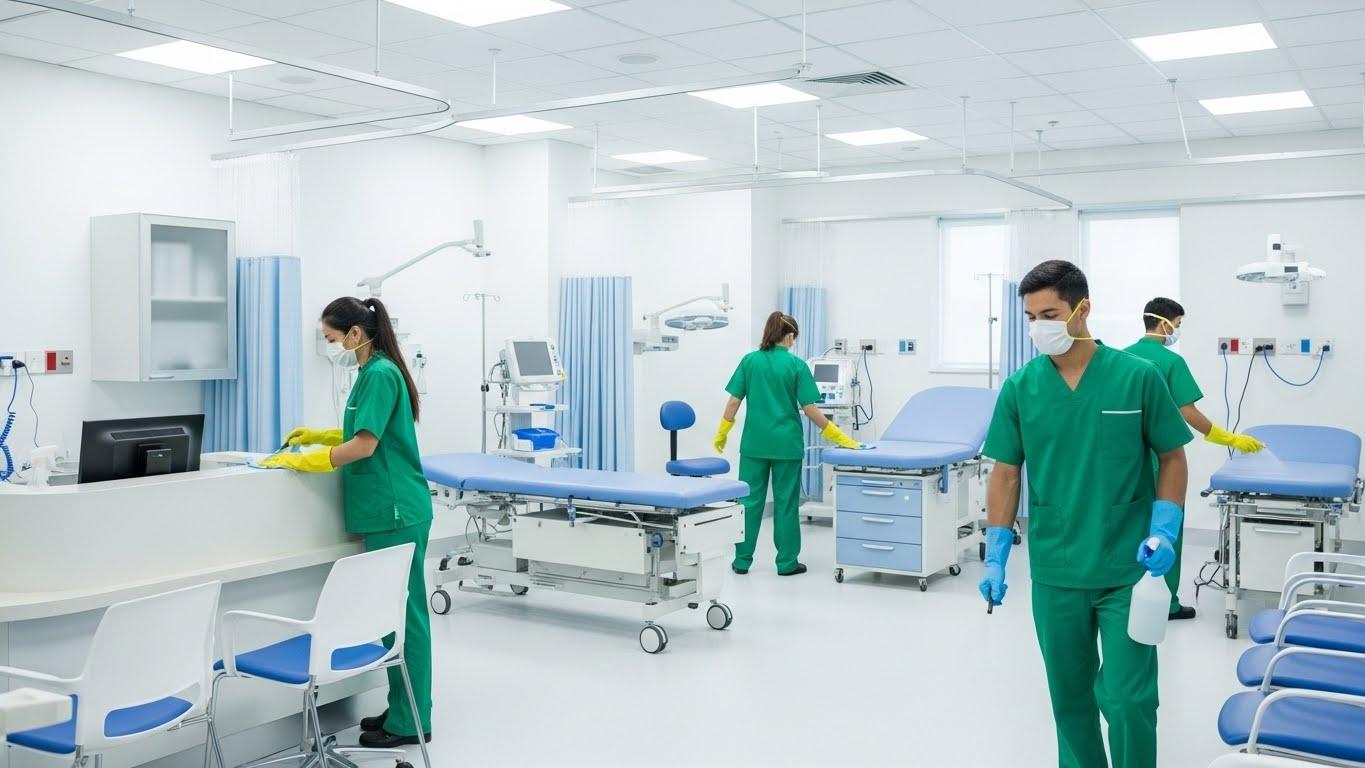
Medical facilities operate in environments where hygiene, infection control, and patient safety are top priorities. Unlike standard commercial buildings, medical offices require stricter and more frequent professional cleaning schedules to prevent contamination and support regulatory compliance. Routine cleaning also improves patient confidence, enhances facility appearance, and maintains health department standards.
Below are the key factors that determine professional cleaning frequency for medical offices:
Daily Cleaning Requirements for Medical Offices
Medical offices should be professionally cleaned daily to maintain sanitation and prevent the spread of bacteria and viruses. Patient waiting rooms, reception areas, exam rooms, and restrooms accumulate germs quickly due to frequent foot traffic and contact surfaces. Daily cleaning includes disinfecting high-touch areas, sanitizing countertops, cleaning exam tables, emptying waste bins, and replenishing supplies.
Medical-grade disinfectants are used to eliminate pathogens and ensure compliance with OSHA and CDC hygiene guidelines. Professional medical office cleaning services also handle biohazard disposal, sharps management, and spill protocols when applicable. Keeping surfaces clean supports patient trust and reduces the risk of healthcare-associated infections (HAIs). Daily cleaning not only enhances hygiene and odor control but also ensures operational readiness, helping staff work more efficiently while providing a safe environment for patients.
Weekly Deep Cleaning for Medical Facilities
In addition to daily sanitation tasks, medical offices should schedule weekly deep cleaning procedures to target buildup, allergens, and overlooked surfaces. Weekly cleaning includes disinfecting upholstery, scrubbing floors, steam-cleaning carpets, and sanitizing equipment surfaces. This reduces risks from dust accumulation, biofilm growth, and cross-contamination.
Exam rooms and diagnostic equipment often require specialized cleaning protocols consistent with manufacturers’ guidelines, ensuring performance and longevity. Weekly deep cleaning also extends to restrooms, laboratory spaces, and storage areas where pathogens may linger. Professional cleaners use hospital-grade disinfectants and EPA-approved solutions tailored for healthcare environments.
Weekly deep cleaning enhances facility image, supports patient satisfaction, and prepares the office for inspections or compliance checks. Maintaining a structured schedule helps reduce emergency cleanings and prevents operational disruptions. For busy clinics, specialists often create customized checklists based on patient volume, specialties, and local regulations.
Monthly Sanitization & Sterilization Protocols
Monthly professional cleaning for medical offices focuses on sanitization and sterilization tasks that require advanced equipment and specialized techniques. This includes sterilizing high-contact diagnostic surfaces, deep cleaning HVAC vents, polishing tile grout, and treating floors with antimicrobial coatings. Monthly schedules often target maintenance tasks that are not addressed during regular cleaning cycles.
Professional medical cleaning teams may use UV disinfection, electrostatic spraying, or vaporized hydrogen peroxide systems to eliminate harmful pathogens. These technologies are increasingly common in urgent care facilities, dental practices, clinics, and specialty offices.
Monthly sterilization procedures support infection control protocols and may be required by state or federal regulatory bodies. Facilities that follow monthly cleaning routines maintain healthier environments, reduce HAIs, and support accreditation programs. The combined long-term benefit includes improved patient trust, better staff morale, and reduced equipment degradation related to dust and contaminants.
Factors Influencing Cleaning Frequency (150 words)
Cleaning frequency for medical offices depends on several key variables, including patient volume, specialty type, facility size, and regulatory requirements. Clinics specializing in dermatology, dental care, physical therapy, or primary care all have different sanitation needs, while surgical centers, dialysis units, and urgent care facilities require heightened sterilization protocols.
Higher traffic means more bacteria, dust, and waste buildup, requiring more frequent cleaning and disinfection. Medical specialties also handle bodily fluids and instruments, demanding stricter compliance with OSHA, HIPAA, and CDC guidelines. Allergens, pollutants, and airborne pathogens play a role in scheduling as well.
Regulatory inspections and accreditation audits often dictate cleaning frequency and documentation standards. Healthcare providers must demonstrate adherence to infection control procedures and maintain evidence of sanitation routines. Establishing the right cleaning schedule based on risk factors helps reduce liability, improves patient outcomes, and ensures operational continuity.
Compliance & Regulatory Cleaning Standards
Professional medical office cleaning must align with established healthcare regulations to ensure patient safety and operational compliance. Standards from CDC, OSHA, JCAHO, AORN, and EPA guide cleaning procedures, disinfectant usage, and sterilization protocols.
Regulated cleaning covers surface disinfection, waste removal, biohazard handling, and cross-contamination prevention. Professional healthcare cleaning services document cleaning schedules, chemical usage, and safety procedures for audits and inspections.
Compliance reduces legal risks associated with unsafe environments or infection outbreaks. For specialty clinics, surgical centers, and diagnostic labs, maintaining strict sanitation is critical for accreditation and licensing. Many states require documented cleaning routines and sterilization logs for healthcare facilities.
Working with certified medical cleaning professionals ensures adherence to these standards while minimizing disruption to clinic operations. Regulatory compliance not only supports patient trust but also protects healthcare facilities from potential fines or closure due to sanitation failures.

 English
 Arabic
 Spanish
 Portuguese
 Deutsch
 Turkish
 Dutch
Dutch
 Italiano
 Russian
 Romaian
 Portuguese (Brazil)
 Greek
Greek