


Recreational Vehicle Batteries Explained: House Power, Capacity Planning, and Off-Grid Reliability
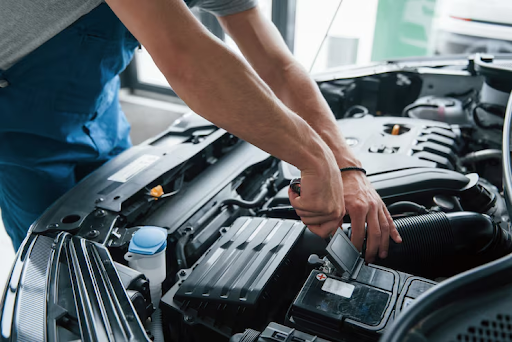
RV life depends on dependable “house power”—the electricity that runs lights, fans, water pumps, and appliances when you’re not plugged into shore power. If your battery bank is undersized or poorly matched to your usage, you’ll feel it quickly: dimming lights, a warm fridge, or a generator that runs more than you’d like.
A practical approach starts with understanding how recreational vehicle batteries are used, how to plan capacity, and how charging sources interact when you’re traveling.
House batteries vs. starting batteries (don’t mix the roles)
Many RVs have:
-
A starting battery for the engine (chassis battery)
-
A house battery bank for living systems
Why the house bank needs “deep-cycle” behavior
House loads draw power steadily over time. A battery intended for deep cycling is built to deliver repeated discharge/charge cycles more reliably than a pure starting battery design.
Step 1: Estimate your daily energy use
The most accurate method is to list your typical loads:
-
Lights (LED vs incandescent matters)
-
Water pump (intermittent)
-
Furnace fan (high draw in cold climates)
-
Fridge (12V compressor, propane, or absorption type)
-
Device charging and entertainment
A simple planning method
Think in “daily amp-hours” at your system voltage. If you use 80Ah per day and want two days off-grid without stress, you’ll plan for at least 160Ah usable—plus a buffer.
Step 2: Understand usable capacity vs. rated capacity
Battery banks are rated at a total capacity, but not all of that may be practical to use depending on chemistry and longevity considerations. Planning around usable capacity makes boondocking more predictable.
Build a buffer for real conditions
Windy nights (furnace use), hot days (fans), and longer stays without driving all increase demand. A “paper-perfect” calculation often feels short in the real world unless you add margin.
Step 3: Choose the right bank voltage and wiring
Common RV house systems are 12V, but larger setups may use 24V. Wiring configuration affects performance:
-
Series increases voltage
-
Parallel increases capacity
Keep wiring symmetrical so batteries share load evenly.
Charging sources: how your bank actually gets replenished
An RV battery bank is rarely charged from one source only:
-
Alternator (while driving)
-
Shore power charger/converter
-
Solar charge controller (if installed)
-
Generator + charger (common for boondocking)
Charge rate matters
If your bank is large, a small charger may take a long time to fully recharge. Undercharging repeatedly can reduce performance over time.
Lithium vs other options in RV use-cases
RV owners often choose based on weight, recharge speed, and voltage behavior.
What changes with lithium
Lithium rv batteries are commonly selected for consistent voltage delivery under load and strong recharge efficiency. That can help stabilize sensitive electronics and reduce “voltage sag” that causes lights to dim or devices to shut off earlier than expected.
Compatibility checks you should make
If you’re considering lithium batteries for rv setups, verify compatibility with:
-
Your converter/charger profile
-
Solar controller settings
-
Any battery monitoring system you use
Signs your RV battery bank is undersized or aging
Watch for:
-
Voltage drop under modest loads
-
Reduced runtime compared to last season
-
Longer time to reach a full charge
-
Inconsistent performance between trips
Also inspect connections—corrosion or loose terminals can mimic battery failure.
Practical tips for better off-grid reliability
Reduce consumption before increasing capacity
Switch to LED lighting, manage inverter usage, and avoid running high-draw appliances casually.
Track your actual use for one trip
A battery monitor or even a simple daily checklist can reveal surprises (like how often the furnace cycles).
Keep the system balanced
Matched batteries, consistent wiring lengths, and correct fusing reduce stress and improve predictability.
Conclusion
Recreational vehicle batteries work best when they’re planned around your real daily usage, not generic assumptions. Start by estimating loads, plan usable capacity with a buffer, and make sure your charging sources can keep up with your travel style. When the bank, wiring, and charging profiles align, your RV power becomes reliable enough to feel “invisible”—which is exactly what you want on the road.

 English
 Arabic
 French
 Spanish
 Portuguese
 Deutsch
 Turkish
 Dutch
Dutch
 Italiano
 Russian
 Romaian
 Portuguese (Brazil)