


Optimizing Efficiency: A Comprehensive Guide to Waste Water Treatment Systems
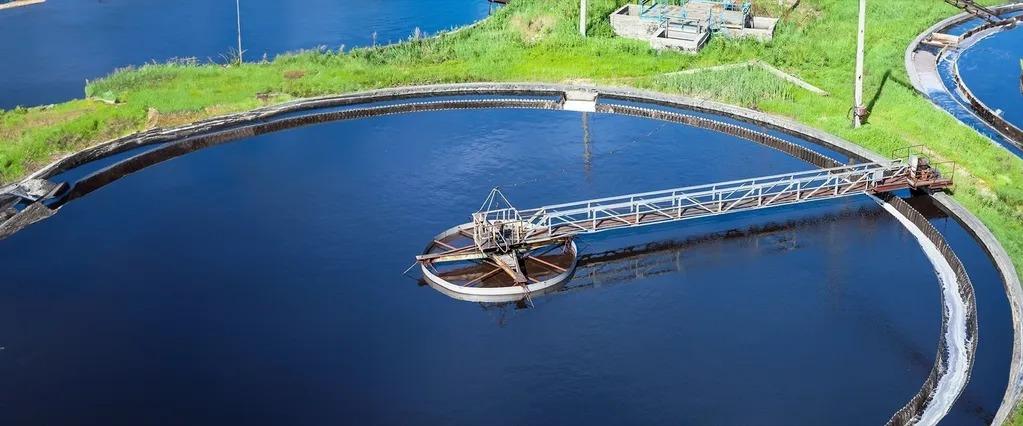
Waste water treatment systems are the silent backbone of modern infrastructure, ensuring that industrial and municipal effluents are safely returned to the environment. However, as global water standards tighten and energy costs climb, the focus has shifted from simple compliance to operational efficiency. Traditional systems often struggle with high maintenance requirements, frequent equipment failures, and staggering energy bills.
To stay competitive and sustainable, facilities are increasingly looking toward innovative technologies—like pulsed air mixing and airlift pumping—to modernize their waste water treatment systems. This article explores the core components of these systems and how strategic upgrades can transform your facility's performance.
The Essential Stages of Waste Water Treatment
A standard waste water treatment system typically operates through a series of stages designed to remove physical, biological, and chemical contaminants.
-
Preliminary Treatment: The removal of large solids, rags, and grit. This protects downstream equipment from damage and clogging.
-
Primary Treatment: Physical separation where solids settle to the bottom as sludge, and grease rises to the top to be skimmed off.
-
Secondary (Biological) Treatment: This is the "heart" of the system. Microorganisms are used to break down organic matter. This process often requires sophisticated aeration and mixing to keep the bacteria active and the solids in suspension.
-
Tertiary Treatment: Advanced filtration or disinfection (such as UV or chemical treatment) to remove remaining nutrients and pathogens before discharge.
The Mixing Challenge: Overcoming Efficiency Bottlenecks
In the secondary treatment phase, mixing is critical. Whether you are operating an aerobic, anoxic, or anaerobic zone, you must ensure that the biomass remains in contact with the wastewater. Unfortunately, traditional mechanical mixers are often the "weak link" in the chain.
Mechanical mixers feature submerged moving parts—such as propellers and gearboxes—that are prone to "ragging" (becoming tangled in debris) and mechanical wear. When these mixers fail, the resulting downtime can be catastrophic for the treatment process. Furthermore, the energy required to run these heavy motors 24/7 is a significant drain on a facility's budget.
Innovative Solutions: Pulsed Air Mixing
Modern waste water treatment systems are moving away from traditional mechanical agitation in favor of pulsed air mixing. This technology uses low-pressure air to create large, high-velocity "Mega Bubbles" that rise from the bottom of the tank.
-
No Submerged Moving Parts: Because the mixing is driven by air bursts, there are no propellers to clog or motors to burn out underwater.
-
Reduced Energy Consumption: Pulsed air systems often utilize the low-pressure air already being generated for aeration, significantly cutting down on total electricity usage.
-
Uniform Solids Suspension: The rising air piston effectively pulls settled solids from the floor and redistributes them, ensuring a thorough blend without the "dead zones" common in mechanical systems.
The Role of Pulsed Airlift Pumps in Sediment Management
Pumping is another high-maintenance area for wastewater facilities. Traditional centrifugal pumps are frequently damaged by sand, silt, and abrasive solids found in wastewater, increasing downtime and repair costs and highlighting the need for more low maintenance water mixing and handling solutions.
Pulsed airlift pumps offer a revolutionary alternative. By directing pulsed air into a vertical pipe, the system creates a powerful suction effect that can move water and heavy sediment with minimal energy.
-
Durability: These pumps can handle abrasive materials that would destroy the vanes of a standard pump.
-
Low Maintenance: With no internal seals or rotating parts, the risk of failure is nearly eliminated.
-
Versatility: They are ideal for grit removal, sludge return, and even maintaining flow in irrigation tunnels.
Why Systems Integration Matters
Updating a waste water treatment system isn't always about a total overhaul; often, it’s about integrating smarter components into existing infrastructure. Technologies like the Moving Bed Biofilm Reactor (MBBR) can be supercharged when paired with pulsed air mixers. This combination allows for a larger surface area for biological growth within a smaller footprint, leading to higher-strength waste treatment and significant nutrient reduction (such as nitrogen and phosphorus).
Key Benefits of Modernizing Your System:
-
Lower O&M Costs: Fewer repairs and less frequent equipment replacement lead to a healthier bottom line.
-
Environmental Stewardship: High-efficiency mixing facilitates better biological nutrient removal, ensuring cleaner effluent.
-
Sustainability: Reducing energy consumption directly lowers the carbon footprint of the treatment facility.
-
Reliability: Systems without submerged moving parts provide "peace of mind" for operators who no longer have to worry about ragging or gearbox failures.
Conclusion
Waste water treatment systems are evolving from high-maintenance burdens into streamlined, energy-efficient operations. By moving away from prone-to-fail mechanical components and adopting innovative solutions like pulsed air technology, facilities can achieve better treatment results at a lower cost.
Whether you are designing a new plant or looking to retrofit an aging facility, focusing on low-energy, low-maintenance mixing and pumping is the most direct path to a sustainable future. Explore how advanced air-burst technology can transform your wastewater management by visiting Pulsed Burst Systems.

 English
 Arabic
 Spanish
 Portuguese
 Deutsch
 Turkish
 Dutch
Dutch
 Italiano
 Russian
 Romaian
 Portuguese (Brazil)
 Greek
Greek