The 5 Health-Related Components of Physical Fitness (and How They Help You Feel Better Every Day)
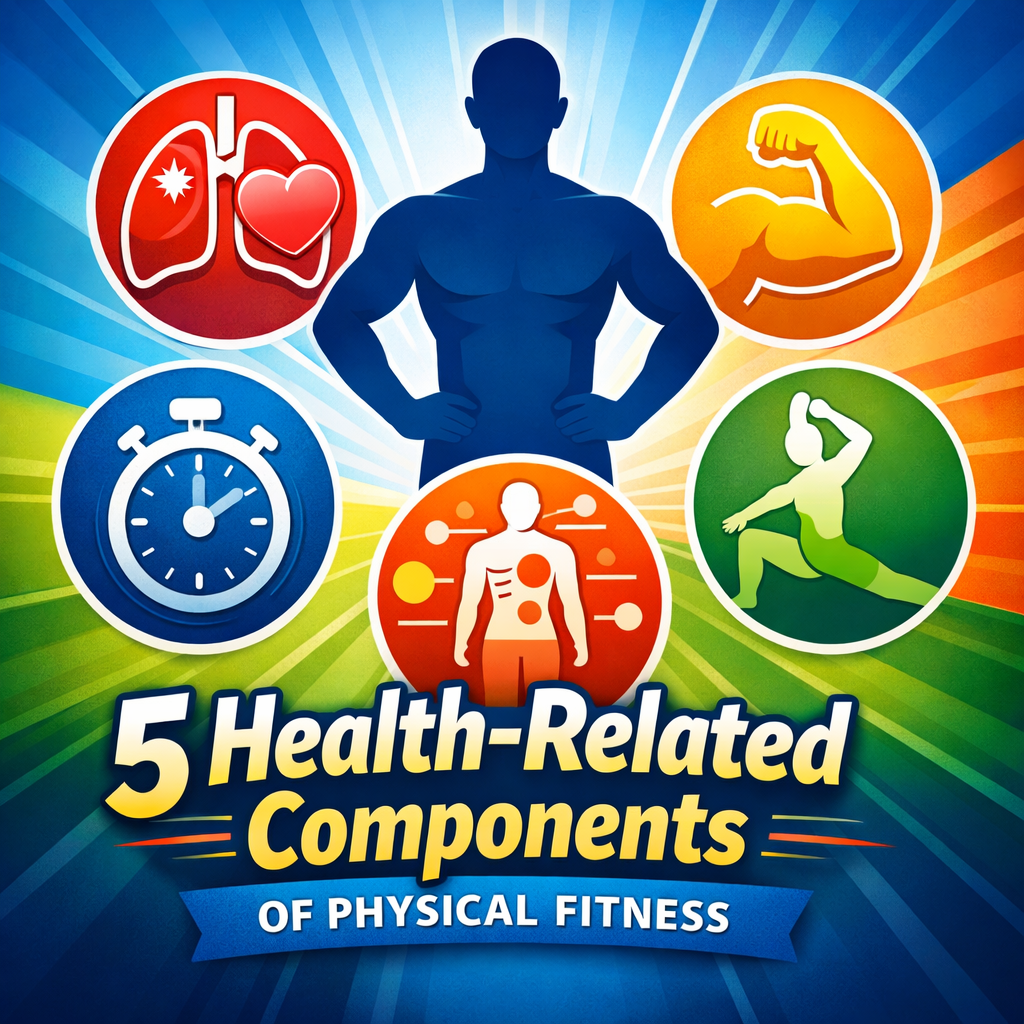
When you think about fitness, you might picture workouts, sweat, or a certain body goal. But real fitness is much more personal than that. It’s about how your body supports you in daily life—how strong you feel, how easily you move, and how much energy you have from morning to night.
If you want to feel healthier, more confident, and more capable in your own body, these are the five health-related components of physical fitness you should understand and work on.
For a more detailed breakdown, you can also visit this helpful guide from Fitness.Shop:
Cardiorespiratory Endurance
This is all about how well your heart and lungs work when you move. When your cardiorespiratory endurance improves, you notice it fast—you don’t get out of breath as easily, you recover quicker, and everyday activities feel lighter.
You’re training this every time you go for a brisk walk, jog, bike ride, swim, or even dance. The stronger your endurance, the more energy you’ll have for your workouts and your daily life.
Muscular Strength
Muscular strength is your ability to lift, push, or pull something heavy. This isn’t just about gym performance—it’s about how strong you feel doing real-life tasks.
When you build strength, carrying groceries, lifting objects, or getting up from the floor becomes easier. Strong muscles also protect your joints and lower your risk of injury, helping your body support you as you move through life.
Muscular Endurance
While strength is about power, muscular endurance is about how long your muscles can keep going. This matters when you’re holding a plank, doing repeated movements, or staying active for extended periods.
Better endurance means you can exercise longer without feeling exhausted, maintain better posture, and avoid that heavy, tired feeling during daily activities.
Flexibility
Flexibility affects how comfortably and freely you move. When your muscles and joints are flexible, your body feels less stiff and more relaxed.
Stretching, yoga, and mobility exercises help you improve flexibility. Over time, you’ll notice fewer aches, smoother movement, and a lower chance of injury—especially as your body ages.
Body Composition
Body composition looks at what your body is made of, including muscle, fat, bone, and water. It’s not about chasing a number on the scale—it’s about creating a body that feels strong, balanced, and healthy.
Improving your body composition by building muscle and reducing excess fat can boost your energy, improve overall health, and help you feel more confident in your own skin.
Why These Components Matter to You
Each of these components plays a role in how your body feels and functions. When you focus on all five, you’re not just training for appearance—you’re training for a better quality of life.
You’ll move better, feel stronger, have more energy, and support your long-term health. That’s what true fitness is about.

 English
 Arabic
 French
 Spanish
 Portuguese
 Deutsch
 Dutch
Dutch
 Italiano
 Russian
 Romaian
 Portuguese (Brazil)
 Greek
Greek