


What Are the Benefits of RWA Tokenization Platforms for Large-Scale Industrial Projects?
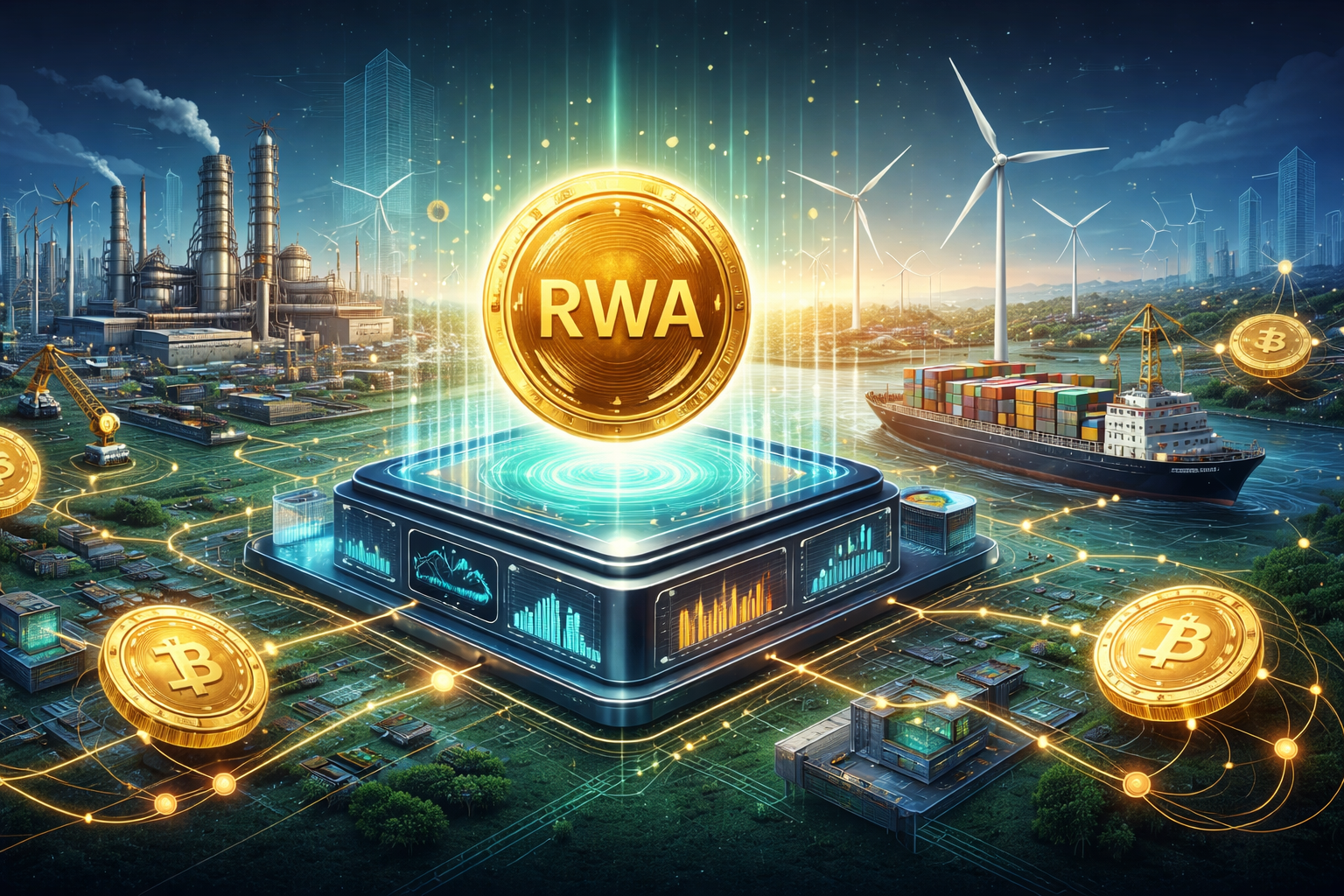
The industrial sector, encompassing manufacturing facilities, logistics hubs, warehouses, and infrastructure projects, often involves high-value assets and complex ownership structures. Traditional financing, investment, and asset management processes can be slow, opaque, and capital-intensive, creating barriers to growth and innovation. Real-World Asset (RWA) tokenization platforms are emerging as a transformative solution for industrial projects, enabling organizations to digitize tangible assets, fractionalize ownership, and streamline capital raising and trading.
RWA tokenization refers to the process of converting real-world physical or financial assets into digital tokens on a blockchain. These tokens represent ownership or economic rights and can be easily traded or used as collateral within decentralized ecosystems. For large-scale industrial projects, tokenization platforms offer not just financial efficiency but also operational transparency and scalability.
Understanding RWA Tokenization in Industrial Contexts
Large-scale industrial assets such as logistics centers, energy plants, or manufacturing complexes are traditionally illiquid and require significant investment to acquire or develop. RWA tokenization allows these assets to be digitally represented as tradeable tokens, enabling fractional ownership and simplified capital management.
For example, a $100 million industrial warehouse could be tokenized into 100,000 tokens, each representing a 0.1% stake. Investors can purchase, sell, or trade these tokens, gaining exposure to high-value assets without committing to full ownership. Meanwhile, asset owners can access liquidity without selling the entire property.
Tokenization relies on blockchain technology, which ensures immutability, transparency, and trust in all transactions. Smart contracts automate processes such as dividend distribution, collateralization, and compliance verification, making the platform efficient and reliable.
Key Benefits of RWA Tokenization Platforms for Industrial Projects
1. Enhanced Liquidity for High-Value Assets
One of the most significant challenges in industrial projects is asset illiquidity. Traditional sales or refinancing of large industrial assets can take months or years. Tokenization transforms these assets into fractional digital units, allowing multiple investors to trade ownership stakes seamlessly.
This liquid market environment accelerates capital flow, enabling asset owners to unlock funds without losing control, and providing investors with an opportunity to diversify portfolios across industrial sectors.
2. Fractional Ownership and Democratized Investment
RWA tokenization platforms enable fractional ownership, reducing the minimum investment threshold. This democratizes access to industrial projects, which were previously limited to institutional investors or large corporations.
For example, investors with relatively modest capital can acquire a fraction of a warehouse, solar farm, or logistics hub, participating in high-value industrial projects while sharing in revenue, appreciation, or operational profits.
3. Streamlined Fundraising and Capital Efficiency
Industrial projects typically require large upfront capital for development, expansion, or modernization. Tokenization platforms allow project owners to raise funds more efficiently by issuing asset-backed tokens to multiple investors globally.
Unlike traditional debt or equity financing, tokenized assets can be marketed and sold directly on decentralized exchanges or private digital marketplaces, reducing intermediary fees, shortening fundraising cycles, and increasing overall capital efficiency.
4. Transparent and Secure Transactions
Blockchain-powered RWA tokenization platforms ensure that all transactions are transparent, verifiable, and tamper-proof. Investors can easily track token ownership, historical transactions, and revenue distributions.
Smart contracts automate compliance processes, such as dividend distribution, lease revenue allocation, or operational reporting. This reduces the risk of human error, fraud, or mismanagement, which is particularly crucial in high-value industrial projects.
5. Global Accessibility and Investor Reach
Tokenized industrial assets can be offered to a global investor base, overcoming traditional geographic and regulatory barriers. Investors worldwide can participate in industrial projects without requiring physical presence or intermediaries.
For large-scale industrial projects, this global accessibility expands funding sources, increases competition, and allows owners to achieve better pricing for fractional ownership or tokenized revenue rights.
6. Faster Settlement and Reduced Operational Costs
Traditional real estate or industrial asset transactions involve lengthy legal procedures, escrow arrangements, and administrative overhead. Tokenization reduces the need for these intermediaries by using smart contracts, which automatically execute agreements once predefined conditions are met.
This leads to faster settlements, reduced transaction costs, and a more efficient operational framework for managing large-scale industrial assets.
7. Enhanced Portfolio Diversification for Investors
Investors can gain exposure to a range of industrial assets through tokenization, from logistics warehouses and manufacturing units to energy and infrastructure projects. Fractional ownership and tokenized trading allow portfolio diversification across sectors, geographies, and asset types, reducing risk and increasing long-term investment resilience.
8. Integration with DeFi and Innovative Financial Products
Tokenized industrial assets can be integrated into decentralized finance (DeFi) ecosystems, enabling innovative financial applications such as:
-
Asset-backed lending, where tokens serve as collateral
-
Yield generation through staking or liquidity provision
-
Derivative products tied to industrial asset performance
This integration enhances the financial utility of industrial assets, making them more productive and profitable in a digital-first financial landscape.
9. Compliance and Regulatory Assurance
Modern RWA tokenization platforms include regulatory compliance frameworks, ensuring that fractional ownership, dividend distribution, and trading are fully compliant with local laws. For industrial projects, this reduces legal risks and provides investors with confidence that their ownership rights are secure and enforceable.
10. Scalable Asset Management
Tokenization platforms offer scalable solutions for industrial asset management, including automated revenue tracking, investor reporting, and operational analytics. Large industrial projects often involve multiple stakeholders, leases, and revenue streams. Tokenization platforms simplify these processes through centralized dashboards and smart contract automation.
Practical Applications in Industrial Projects
-
Logistics and Warehousing: Tokenizing large warehouses allows multiple investors to participate in leasing income and property appreciation.
-
Energy Infrastructure: Industrial-scale solar farms, wind farms, or power plants can be tokenized to attract decentralized investment for renewable energy projects.
-
Manufacturing Units: Tokenization can fund machinery upgrades, facility expansion, or new production lines while offering investors revenue-sharing opportunities.
-
Port and Transport Hubs: Tokenized shares of shipping ports, cargo terminals, or transport facilities enable global investment and operational transparency.
Challenges to Consider
While the benefits are significant, industrial projects must address several challenges when adopting RWA tokenization platforms:
-
Regulatory Complexity: Ensuring compliance with securities and property laws across multiple jurisdictions.
-
Asset Valuation Accuracy: Maintaining precise, auditable valuations for tokenized industrial assets.
-
Market Adoption: Educating investors and stakeholders about tokenized industrial asset investment.
-
Security Concerns: Ensuring smart contracts and blockchain infrastructure are resistant to hacks and exploits.
Conclusion
RWA tokenization platforms are revolutionizing the way large-scale industrial projects are funded, managed, and traded. By digitizing assets, enabling fractional ownership, and leveraging blockchain’s transparency, these platforms provide industrial project owners with enhanced liquidity, global investor reach, and operational efficiency. Investors benefit from fractional access, portfolio diversification, and secure transactions, making industrial projects more attractive and accessible than ever before.
As industrial sectors continue to adopt blockchain technology, RWA tokenization platforms are set to become an essential tool for financing, managing, and scaling large-scale industrial projects, driving growth and innovation in the future of finance.

 English
 Arabic
 French
 Spanish
 Portuguese
 Deutsch
 Turkish
 Dutch
Dutch
 Russian
 Romaian
 Portuguese (Brazil)
 Greek
Greek