


Containerised Workspace Solutions for Modern Businesses
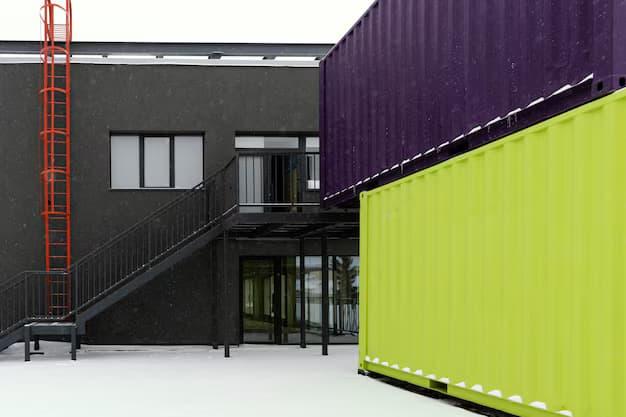
Modern businesses are continually searching for flexible and efficient ways to create functional work environments. Traditional office spaces often come with high costs, long setup times, and limited adaptability. As industries evolve and operational needs change rapidly, a new approach to workspace design has gained attention across multiple sectors. The containerised workspace has emerged as a practical and innovative solution that addresses the demand for mobility, speed, and sustainability.
A containerised workspace is created using repurposed shipping containers that are transformed into fully functional work areas. These structures are designed to support a wide range of business activities, from administrative offices to technical workstations and collaborative hubs. Their modular nature allows businesses to scale operations without the constraints of permanent construction.
This article explores how containerised workspace solutions are reshaping the way modern businesses operate. It examines their benefits, applications, design considerations, and long term value while providing insight into why they are becoming an increasingly popular choice across industries.
Understanding the Concept of a Containerised Workspace
What Defines a Containerised Workspace
A containerised workspace refers to a professional environment built within a modified shipping container. These containers are engineered to be strong, weather resistant, and easily transportable. When converted into workspaces, they are fitted with insulation, electrical systems, lighting, climate control, and interior finishes to create a comfortable and productive environment.
The appeal of a containerised workspace lies in its adaptability. Containers can be used individually or combined to form larger structures. They can also be customized to meet specific operational requirements, whether that involves private offices, meeting rooms, training facilities, or specialized technical areas.
Evolution of Container Based Structures
Shipping containers were originally designed for transporting goods across long distances. Over time, their durability and standardized dimensions inspired architects and designers to explore alternative uses. As urban spaces became more expensive and businesses sought faster construction methods, containers began to be repurposed for commercial and industrial use.
Today, containerised workspace solutions represent a mature and refined concept. Advances in design, materials, and construction techniques have transformed these simple steel structures into sophisticated work environments that rival traditional buildings in comfort and functionality.
Key Benefits of Containerised Workspace Solutions
Flexibility and Adaptability
One of the most significant advantages of a containerised workspace is its flexibility. Businesses can easily modify layouts, add new units, or relocate entire workspaces as operational needs change. This adaptability is especially valuable for companies operating in dynamic industries or temporary locations.
A containerised workspace can be installed on site with minimal disruption. When a project ends or a business expands, the workspace can be moved or reconfigured rather than abandoned. This level of flexibility is difficult to achieve with conventional construction methods.
Speed of Deployment
Time is a critical factor for modern businesses. Traditional construction projects often involve lengthy planning approvals and extended build times. In contrast, containerised workspace solutions can be prepared off site and delivered ready for use.
This rapid deployment allows businesses to respond quickly to new opportunities or urgent requirements. Whether setting up a remote office or expanding an existing facility, containerised workspaces provide a swift and efficient solution.
Cost Efficiency Over Time
While initial costs can vary depending on design and specifications, containerised workspace solutions often offer strong value over the long term. Reduced construction time, lower labor requirements, and the ability to reuse or relocate units contribute to overall cost savings.
Maintenance costs are also typically manageable due to the robust nature of shipping containers. When properly maintained, a containerised workspace can serve a business for many years without significant structural issues.
Environmental Responsibility
Sustainability has become a priority for many organizations. Containerised workspace solutions support environmental goals by repurposing existing materials and reducing the demand for new construction resources.
The compact design of containers also encourages efficient use of space and energy. Many containerised workspaces incorporate eco friendly features such as natural lighting, energy efficient systems, and recyclable materials, further reducing their environmental impact.
Applications Across Modern Industries
Construction and Infrastructure Projects
The construction sector has been one of the earliest adopters of containerised workspace solutions. Project sites often require temporary offices, meeting rooms, and staff facilities that can be set up quickly and moved as work progresses.
A containerised workspace provides a durable and secure environment in challenging conditions. Its portability makes it ideal for infrastructure projects that span multiple locations or phases.
Remote and Regional Operations
Businesses operating in remote or regional areas face unique challenges when establishing workspaces. Limited access to materials and skilled labor can make traditional construction impractical.
Containerised workspace solutions offer a reliable alternative. Units can be transported to remote locations and installed with minimal on site work. This makes them suitable for industries such as mining, energy, agriculture, and environmental research.
Corporate and Administrative Use
Beyond temporary applications, containerised workspace solutions are increasingly being used for permanent or semi permanent corporate environments. Businesses seeking creative office designs or cost conscious expansions are turning to container based structures.
These workspaces can be customized to reflect company culture and branding while providing modern amenities. Open plan layouts, private offices, and collaborative spaces can all be achieved within a containerised framework.
Education and Training Facilities
Educational institutions and training providers are also exploring containerised workspace solutions. Classrooms, workshops, and learning centers can be created quickly to accommodate growing student numbers or specialized programs.
The modular nature of containerised workspaces allows educational facilities to expand or adapt their spaces as needs change. This flexibility is particularly valuable in regions experiencing rapid population growth or shifting educational demands.
Design Considerations for a Containerised Workspace
Interior Comfort and Functionality
A well designed containerised workspace prioritizes comfort and productivity. Insulation is essential to regulate temperature and reduce noise. Proper ventilation and climate control systems help create a healthy indoor environment.
Interior layouts should be planned carefully to maximize available space. Thoughtful placement of workstations, storage, and communal areas ensures that the workspace feels open and functional rather than confined.
Natural Light and Aesthetics
Natural light plays a significant role in workplace wellbeing. Incorporating windows, skylights, or glass doors can transform a containerised workspace into a bright and inviting environment.
Aesthetic choices such as color schemes, materials, and finishes also influence how the space is perceived. With the right design approach, a containerised workspace can feel just as professional and appealing as a traditional office.
Compliance and Safety Standards
Safety and compliance are critical considerations for any workspace. Containerised workspace solutions must meet local building codes, health regulations, and accessibility requirements.
This includes fire safety measures, electrical standards, and structural integrity. Working with experienced designers and builders helps ensure that all regulatory obligations are met without compromising design quality.
Long Term Value and Strategic Advantages
Scalability for Growing Businesses
As businesses grow, their space requirements often change. A containerised workspace supports scalable growth by allowing additional units to be added as needed. This modular approach reduces the risk of overbuilding or underutilizing space.
Businesses can start with a small setup and expand gradually, aligning workspace investment with actual growth. This strategic flexibility supports sustainable development and financial planning.
Mobility and Asset Reuse
Unlike permanent buildings, a containerised workspace is a movable asset. If a business relocates or changes its operational focus, the workspace can be transported and reused in a new context.
This mobility enhances the overall value of the investment. Rather than being tied to a single location, the workspace becomes a versatile resource that can adapt to future needs.
Supporting Modern Work Trends
Modern work trends emphasize agility, collaboration, and employee wellbeing. Containerised workspace solutions align with these priorities by offering customizable environments that can be tailored to specific work styles.
From collaborative hubs to quiet focus areas, containerised workspaces can be designed to support diverse working preferences. This adaptability helps businesses attract and retain talent in a competitive employment landscape.
The Future of Containerised Workspace Solutions
The demand for flexible and sustainable work environments is expected to continue growing. As technology advances and design innovation expands, containerised workspace solutions will likely become even more sophisticated.
Future developments may include smarter building systems, enhanced energy efficiency, and greater integration with digital infrastructure. These advancements will further strengthen the role of containerised workspace solutions in modern business strategy.
Businesses that embrace this approach position themselves to respond effectively to change while demonstrating a commitment to innovation and responsible resource use.
Conclusion
Containerised workspace solutions represent a powerful response to the evolving needs of modern businesses. By combining flexibility, speed, and sustainability, a containerised workspace offers an alternative to traditional office construction that aligns with contemporary priorities.

 English
 Arabic
 French
 Spanish
 Portuguese
 Deutsch
 Turkish
 Dutch
Dutch
 Italiano
 Russian
 Romaian
 Portuguese (Brazil)