


Dental Implants in Essex: A Permanent Solution for Missing Teeth
Dental health plays a crucial role in overall well-being, and missing teeth can significantly affect both oral function and self-confidence. For individuals seeking a long-lasting and effective solution, dental implants in Essex have emerged as a highly recommended option. These innovative restorations offer a permanent alternative to traditional dentures or bridges, improving both aesthetics and functionality. This article explores everything you need to know about dental implants, their benefits, the procedure involved, and tips for maintaining them.
Understanding Dental Implants
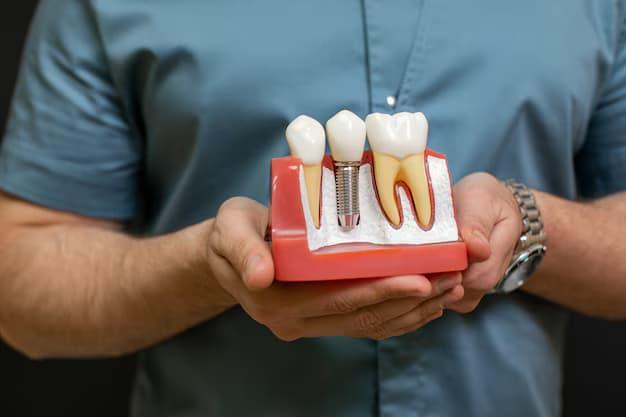
Dental implants are artificial tooth roots made from biocompatible materials, typically titanium, that are surgically placed into the jawbone. Once integrated with the bone, they provide a stable foundation for replacement teeth, such as crowns, bridges, or dentures. Unlike removable dentures, implants are fixed in place, allowing individuals to eat, speak, and smile with confidence.
How Dental Implants Work
The success of dental implants relies on a natural process called osseointegration, in which the implant fuses with the jawbone over time. This integration creates a strong and durable anchor for artificial teeth. The visible portion of the tooth, known as the crown, is then attached to the implant using an abutment. The result is a restoration that looks, feels, and functions like a natural tooth.
Types of Dental Implants
Dental implants can be customised based on individual needs. Single-tooth implants replace a single missing tooth without affecting adjacent teeth. Multiple implants can support a dental bridge, restoring several teeth in a row. Full-arch implants, often referred to as implant-supported dentures, are ideal for patients who require a complete set of teeth replacement.
Benefits of Dental Implants
Dental implants offer a wide range of advantages compared to other tooth replacement options. These benefits make them an increasingly popular choice for individuals seeking long-term oral solutions.
Improved Appearance and Confidence
One of the most significant benefits of dental implants is their natural appearance. They are designed to match the colour, shape, and size of existing teeth, creating a seamless and attractive smile. Patients often report enhanced self-esteem and confidence after receiving implants.
Enhanced Oral Function
Dental implants restore the ability to chew and speak effectively. Unlike traditional dentures that may slip or cause discomfort, implants provide a stable foundation, allowing patients to enjoy their favourite foods without restrictions. Speech also improves since the implants do not shift or create gaps in the mouth.
Durability and Longevity
With proper care, dental implants can last a lifetime. The combination of strong materials and integration with the jawbone ensures that implants remain secure and functional over many years. This longevity makes them a cost-effective solution in the long term.
Preservation of Jawbone Health
When a tooth is lost, the underlying jawbone can deteriorate over time due to lack of stimulation. Dental implants provide necessary support to the jawbone, preventing bone loss and maintaining facial structure. This benefit is especially important for overall oral health and appearance.
Protection of Adjacent Teeth
Unlike traditional dental bridges, which require adjacent teeth to be filed down, dental implants do not compromise neighbouring teeth. This preserves the natural structure of surrounding teeth and promotes better oral health.
The Dental Implant Procedure
The process of receiving dental implants involves several stages, each carefully planned to ensure optimal results.
Initial Consultation and Assessment
The first step is a thorough dental examination and consultation. During this visit, a dentist evaluates oral health, bone density, and overall suitability for implants. Imaging, such as X-rays or CT scans, may be used to determine the precise placement of the implant.
Treatment Planning
Based on the assessment, a personalised treatment plan is developed. This plan considers the number of implants needed, the type of restoration, and the timeline for surgery and healing.
Implant Placement
The surgical placement of the dental implant involves inserting the titanium post into the jawbone. Local anaesthesia is typically used to ensure comfort throughout the procedure. In some cases, sedation may be offered for patients with dental anxiety.
Healing and Osseointegration
After placement, the implant undergoes a healing period that allows the bone to fuse with the titanium post. This process usually takes several months and is essential for the stability and success of the implant.
Attachment of Abutment and Crown
Once osseointegration is complete, an abutment is attached to the implant, serving as a connector for the artificial tooth. The crown is then custom-made to match the surrounding teeth and securely attached. This completes the restoration, resulting in a fully functional and natural-looking tooth.
Aftercare and Maintenance
Proper care is essential to ensure the longevity of dental implants. Routine oral hygiene and regular dental check-ups play a significant role in maintaining both the implants and overall oral health.
Oral Hygiene Practices
Brushing twice daily and flossing regularly are critical for preventing plaque buildup around implants. Special interdental brushes may also be recommended to clean hard-to-reach areas.
Professional Dental Care
Regular visits to the dentist are necessary for monitoring the condition of the implants and surrounding tissues. Professional cleanings help prevent gum disease and other complications that could affect implant success.
Lifestyle Considerations
Avoiding habits such as smoking or excessive alcohol consumption can contribute to the long-term success of dental implants. Maintaining a balanced diet and addressing any underlying health issues, such as diabetes, also supports overall oral health.
Who Can Benefit from Dental Implants
Dental implants are suitable for a wide range of patients. Individuals with missing teeth due to decay, injury, or age-related factors can benefit from this treatment. However, candidates must have sufficient jawbone density and healthy gums to support the implant. In some cases, bone grafting or other preparatory procedures may be recommended to ensure optimal results.
Potential Risks and Considerations
While dental implants have a high success rate, it is essential to be aware of potential risks. Complications may include infection, implant failure, or damage to surrounding structures. Selecting a qualified dental professional and adhering to aftercare instructions significantly reduces these risks.
The Cost of Dental Implants
The cost of dental implants varies depending on the complexity of the case, the number of implants required, and the type of restoration. Although the initial investment may be higher than alternative options, the durability and long-term benefits make dental implants a worthwhile consideration for many patients.
Conclusion
Dental implants in Essex offer a permanent and effective solution for individuals struggling with missing teeth. By restoring both function and aesthetics, implants improve overall quality of life, confidence, and oral health. With proper planning, professional care, and diligent maintenance, dental implants can provide a long-lasting investment in one’s smile. For anyone seeking a reliable and natural-looking tooth replacement, dental implants represent a trusted choice that combines innovation, durability, and life-changing results.

 English
 Arabic
 French
 Spanish
 Portuguese
 Deutsch
 Turkish
 Dutch
Dutch
 Russian
 Romaian
 Portuguese (Brazil)
 Greek
Greek