


Why Central Locations Often Matter More Than Extra Space

A Small Room, A Bigger Experience
A few years ago, during a short visit to a busy city, I stayed in a modest room with barely enough space for my suitcase. At first, it felt restrictive. Yet by the end of the trip, the room itself had faded from memory. What remained was the ease of stepping outside and being instantly connected to everything that mattered. Cafés, offices, bookshops, neighborhood streets, and transport options were all just a short walk away. That experience subtly reshaped how I think about choosing a place to stay.
Today, travelers look beyond square footage. Central access has become a key factor in defining comfort, efficiency, and overall satisfaction. While room size once symbolized luxury, location now holds far greater significance, especially for modern city travel.
The Changing Definition of Comfort
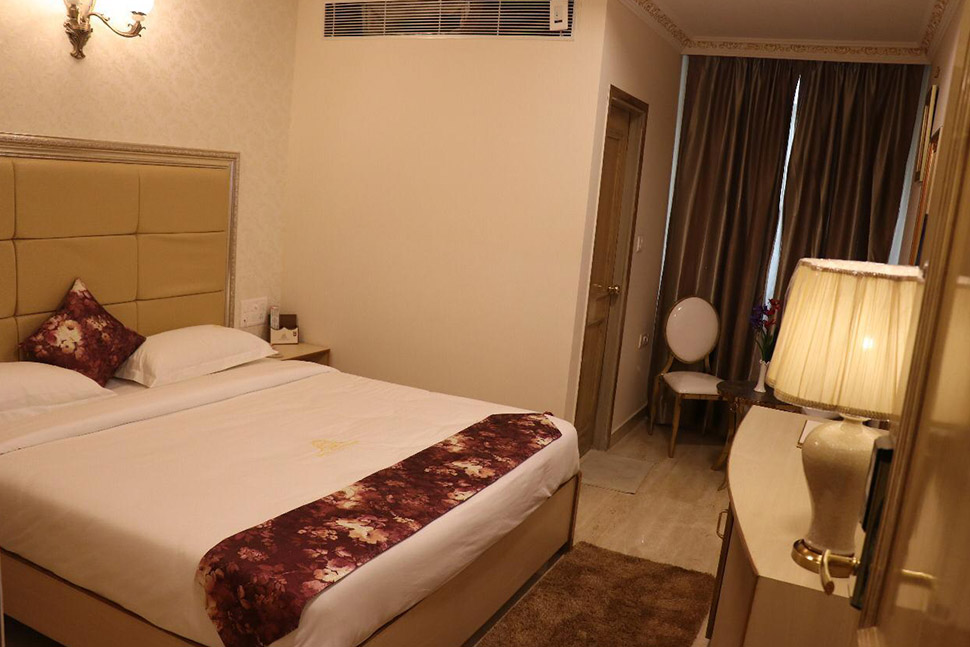
Comfort used to mean extra space, larger beds, and bigger wardrobes. Over time, expectations have shifted. Travelers now see comfort as ease of movement, reduced travel fatigue, and seamless daily routines. A centrally located stay allows people to conserve energy and stay mentally relaxed, even during short visits.
Moreover, a smaller room feels less restrictive when it becomes a place to rest rather than a base for long commutes. Therefore, central access transforms how guests interact with a city and with their own time.
Time as the New Luxury
Time has quietly emerged as one of today’s most valuable luxuries. Long travel hours, unpredictable traffic, and distance from key areas often consume energy that could be better spent elsewhere. Central access directly solves this challenge. Staying near the heart of the city helps guests avoid unnecessary delays and make the most of both productive and personal moments.
For business travelers, proximity to offices and meeting venues allows for smoother schedules and fewer disruptions. Families also benefit from quicker access to daily necessities without the fatigue of extended travel. As a result, central access frequently outweighs the appeal of a larger room located far from essential destinations.
City Rhythm and Everyday Convenience
Every city moves to its own rhythm, best experienced from its center. Centrally located accommodations allow guests to naturally align with this pace. Mornings feel more intentional, evenings more vibrant, and daily routines become effortless.
Essential services such as pharmacies, dining options, transport hubs, and cultural spaces remain within easy reach. In contrast, spacious rooms in distant areas may offer physical comfort but limit spontaneity. Central access encourages guests to actively engage with the city rather than experience it from the sidelines.
Emotional Ease and Mental Balance
Travel often carries mental demands. Navigating unfamiliar routes, adjusting to new environments, and managing packed schedules can create subtle stress. Central access significantly eases this pressure. Knowing that important locations are close by fosters a sense of control and reassurance.
Shorter travel distances also make it easier to return during the day, take restorative breaks, and manage energy levels more effectively. This emotional balance often proves more valuable than additional square footage, particularly for longer stays or repeat visits.
Why Central Access Supports Smarter Stays
Smarter stays are not about extravagance but about thoughtful choices. A centrally located accommodation supports efficiency without compromising comfort. Guests spend less time planning routes and more time focusing on their purpose, whether it is work, study, or leisure.
For those seeking the best hotel in hazratganj lucknow, central access often becomes a deciding factor because it aligns with practical needs and modern travel habits. Instead of prioritizing room size alone, travelers increasingly value accessibility and connectivity.
Local Engagement and Authentic Experiences
Staying near central areas creates opportunities for authentic engagement. Guests experience local life more closely, from street conversations to neighborhood routines. These moments rarely occur in isolated locations, regardless of room size.
Furthermore, central access allows guests to explore on foot, which builds a stronger connection with the city. Over time, this sense of familiarity enhances satisfaction and creates lasting memories that no large room can replace.
When Space Matters Less Than Movement
Movement defines modern travel. Whether attending meetings, visiting institutions, or exploring cultural spaces, constant movement is inevitable. Central access supports this reality. Guests move efficiently without constant reliance on transport.
For those planning to book hotel room in hazratganj, proximity to key zones often simplifies daily logistics. Instead of feeling confined by distance, guests feel empowered by location.
A Balanced Mention of Hospitality Standards
While location plays a central role, hospitality standards still matter. A thoughtfully maintained space, even if compact, can feel welcoming and restful. Properties like Hotel Galaxy Grand demonstrate how central access combined with attentive service can redefine guest expectations without emphasizing excess.
This balance between location and quality reflects current travel priorities where experiences outweigh dimensions.
The Psychology Behind Location Preference
Psychologically, humans prefer environments that reduce uncertainty. Central access provides predictability. Guests know where they are, how to navigate, and how long it takes to reach destinations. This clarity supports mental well being during travel.
In contrast, distant locations often introduce variables that affect mood and planning. Over time, travelers associate central access with reliability and ease, making it a preferred choice regardless of room size.
Central Access and Long Term Value
Value today is measured by outcomes rather than features. Central access delivers value through saved time, reduced fatigue, and enhanced experiences. These outcomes resonate more strongly than the temporary comfort of extra space.
Travelers seeking the best hotel in hazratganj lucknow often realize that central positioning adds consistent value throughout their stay. It supports flexibility, efficiency, and peace of mind.
Redefining Expectations for Modern Travelers
Modern travelers are informed, experience driven, and time conscious. They understand that room size alone does not guarantee satisfaction. Instead, they prioritize factors that support their lifestyle and purpose.
For many, choosing to book hotel room in hazratganj becomes a strategic decision rooted in accessibility rather than luxury. This mindset reflects a broader shift in how accommodation choices are evaluated.
Final Thoughts on Access Over Area
Room size may impress at first glance, but central access leaves a lasting impact. It shapes routines, emotions, and overall travel quality. As cities grow busier and time becomes more valuable, location emerges as the true marker of comfort.
Ultimately, central access transforms a stay into a seamless experience where the city feels closer, time feels manageable, and every moment feels intentional.
Frequently Asked Questions
Why do travelers prefer central locations over larger rooms?
Travelers prefer central locations because they reduce daily travel stress and save time. Being close to important areas allows guests to focus on their purpose instead of logistics. Over time, convenience, accessibility, and mental comfort become more valuable than additional room space.
Does central access improve the overall travel experience?
Yes, central access enhances the travel experience by allowing smoother movement and spontaneous exploration. Guests can return easily during the day, manage energy levels, and stay connected to city life. These factors create a more balanced and enjoyable stay.
Is room size ever more important than location?
Room size matters for specific needs such as extended indoor stays. However, for most city travelers, location plays a larger role. Central access supports daily routines and reduces dependency on transport, which often outweighs the benefits of extra space.
How does central access affect first time visitors?
First time visitors benefit greatly from central access because it reduces confusion and navigation challenges. Being close to landmarks, services, and transport options helps them feel confident and secure, allowing them to explore with ease and comfort.
Can centrally located stays still feel comfortable in smaller rooms?
Yes, centrally located stays can feel very comfortable when they are well maintained and thoughtfully designed. When guests spend less time commuting, the room becomes a place of rest rather than confinement, making size less noticeable and comfort more meaningful.
 Spanish
 English
 Arabic
 French
 Portuguese
 Deutsch
 Turkish
 Dutch
Dutch
 Italiano
 Russian
 Romaian
 Portuguese (Brazil)
 Greek
Greek