Why Good Interior Design Is About Functionality, Not Just Appearance
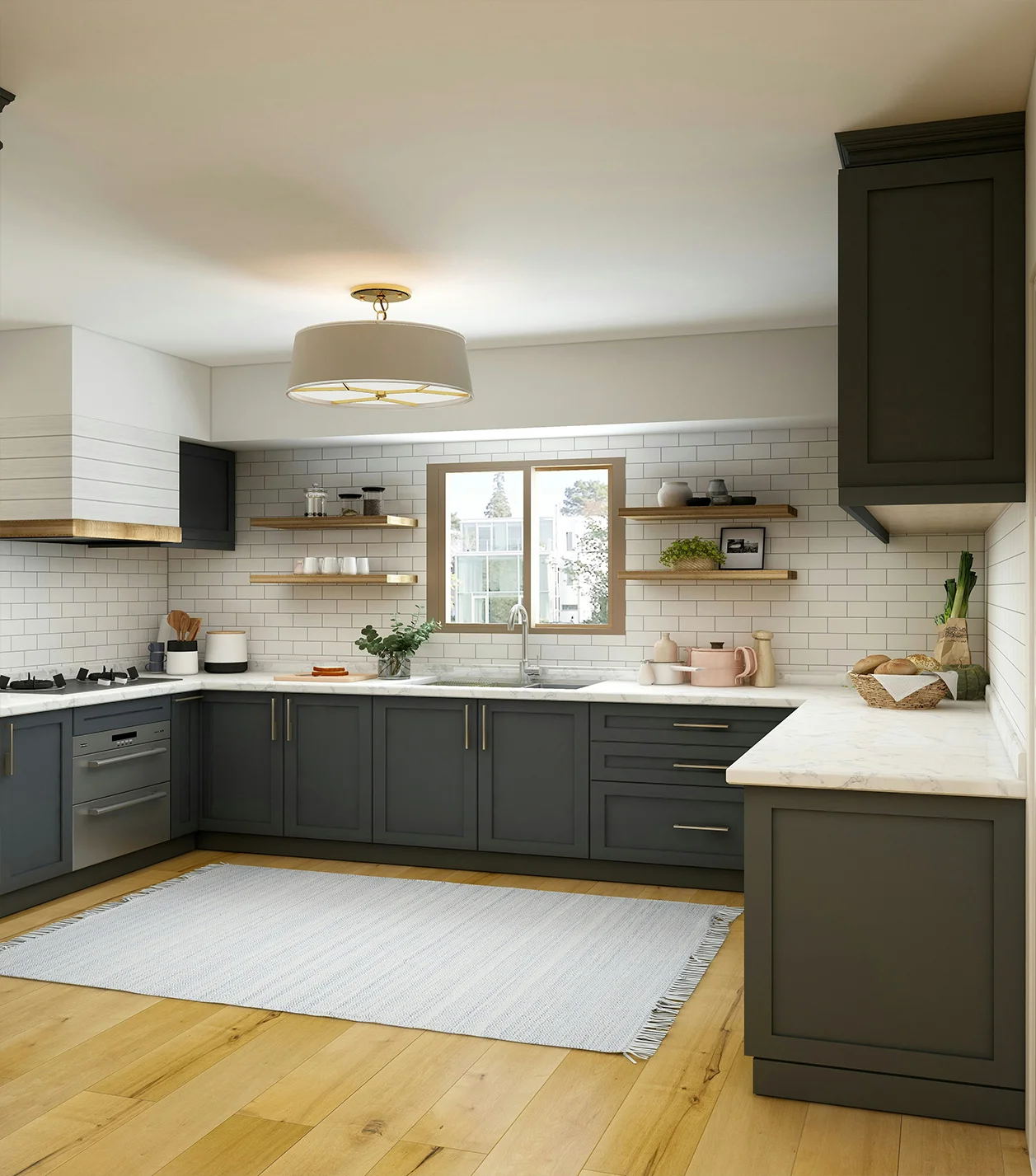
Understand Why Interior Design Quality Matters More Than Just Looks
When people think about interior design, the first image that often comes to mind is a beautiful room. Clean lines, trendy colors, elegant furniture, and a space that looks perfect on social media. While visual appeal is important, it is only the surface layer of what interior design truly represents. The real value of quality interior design runs much deeper, shaping how a space feels, functions, and supports daily life over time.
Interior design is not only about decorating a home or office. It is about creating an environment that understands human behavior, comfort, and long term usability. A well designed space quietly improves everyday experiences without demanding attention. This is where quality matters more than appearance alone.
The First Impression Is Visual, but the Experience Is Emotional
Walking into a thoughtfully designed space often creates an instant sense of ease. The lighting feels right, movement flows naturally, and everything seems to be where it should be. This reaction is emotional, not visual. Quality interior design works on a subconscious level, helping people feel relaxed, focused, or energized depending on the purpose of the space.
A visually attractive room without strong design fundamentals may impress for a moment, yet it can quickly become uncomfortable. Poor lighting can cause strain, awkward layouts can interrupt movement, and low quality materials can wear out faster than expected. Over time, these small issues grow into daily frustrations.
Quality design focuses on how people live and move. It anticipates needs rather than reacting to trends. As a result, the space becomes supportive rather than demanding.
A Story of Living With and Without Quality Design

Consider a family that recently moved into a newly designed apartment. The home looked stunning at first glance. However, within weeks, issues began to surface. The kitchen storage was insufficient, the sofa placement blocked natural pathways, and the lighting felt harsh in the evenings. Although the home looked impressive in photos, it did not align with daily routines.
Now imagine a different scenario. Another family worked with professionals who focused on quality design principles. They discussed habits, future needs, and lifestyle changes. The final space was not only beautiful but also intuitive. Storage was hidden yet accessible, lighting adjusted with the time of day, and every corner served a purpose. Years later, the home still felt relevant and comfortable.
This contrast highlights a critical truth. Design quality determines whether a space evolves with its occupants or works against them.
Functionality Is the Foundation of Quality Interior Design
Quality interior design begins with functionality. Every room has a purpose, and design choices should support that purpose without compromise. This does not mean sacrificing style. Instead, it ensures that style enhances usability rather than replacing it.
Functional design considers movement, proportions, and daily tasks. For example, a living room should encourage conversation and relaxation. A bedroom should promote rest and calm. A workspace should support focus and productivity. When these needs are addressed, the visual elements naturally fall into place.
In cities like Lucknow, where modern living blends with cultural depth, thoughtful design becomes even more important. Many homeowners now seek guidance from the Best interior designers in Lucknow who understand how to balance tradition, comfort, and contemporary living.
Materials and Craftsmanship Shape Long Term Value
Another key aspect of interior design quality lies in material selection and craftsmanship. Surfaces, finishes, and structural details experience daily wear. Choosing materials only for their appearance can lead to early damage and frequent replacements.
High quality design prioritizes durability and sustainability. Natural light is used efficiently, materials age gracefully, and construction techniques ensure stability. Over time, this approach saves effort, resources, and stress.
Craftsmanship also reflects care. Well executed details may not always stand out immediately, yet they create a sense of solidity and trust in the space. Doors close smoothly, cabinets align properly, and textures feel intentional. These subtle elements contribute to an overall feeling of quality that cannot be replicated through visuals alone.
How Quality Design Adapts to Changing Lives
Life rarely stays the same. Families grow, work patterns change, and personal tastes evolve. Quality interior design allows a space to adapt without constant redesign. Flexible layouts, neutral foundations, and timeless design principles ensure longevity.
Rather than following short lived trends, quality design focuses on relevance. Colors, materials, and layouts are chosen to remain adaptable. This approach respects both present needs and future possibilities.
Designers who follow this philosophy often spend more time listening than styling. Companies like Bamoo Interio are known for emphasizing thoughtful planning and user focused design processes that consider how spaces will be used years down the line, not just at the moment of completion.
Comfort Is an Outcome of Intelligent Design
Comfort is often mistaken as a result of soft furnishings alone. In reality, comfort is shaped by proportions, acoustics, airflow, and lighting. Quality interior design considers these elements as interconnected systems.
For instance, natural ventilation improves air quality and reduces dependency on artificial cooling. Proper lighting placement reduces eye strain and enhances mood. Sound absorbing materials create calmer interiors. When combined, these elements create an environment that supports wellbeing.
As people become more aware of mental and physical health, interior design quality plays an increasingly important role. Homes are no longer just living spaces. They are places of restoration, focus, and connection.
The Role of Expertise and Experience
Quality interior design is rarely accidental. It is the result of experience, observation, and continuous learning. Professionals who follow EEAT principles bring expertise, authority, and trust into their work. They understand building standards, ergonomics, and evolving lifestyle needs.
In regions like Uttar Pradesh, homeowners often explore options among the Best interior designers in Lucknow because local understanding adds another layer of relevance. Climate, cultural habits, and spatial preferences vary, and quality design respects these factors.
Bamoo Interio has built recognition by focusing on design integrity rather than surface appeal, emphasizing spaces that feel personal and practical while remaining visually refined.
Why Quality Design Feels Timeless
Trends come and go. Colors change, materials rotate, and styles evolve. Quality interior design remains grounded in principles that do not lose relevance. Balance, harmony, and proportion continue to guide successful spaces regardless of era.
A timeless interior does not avoid change. Instead, it allows change to happen smoothly. Accessories can be updated, art can be replaced, and layouts can shift slightly without disturbing the core structure.
This adaptability is what separates visually attractive spaces from truly well designed ones.
Conclusion: Beyond What the Eye Can See
Interior design quality matters because it shapes everyday life in ways that visuals alone cannot. It influences comfort, efficiency, emotional wellbeing, and long term satisfaction. While aesthetics attract attention, quality builds trust with the space over time.
A well designed interior tells a quiet story. It listens, adapts, and supports. When design moves beyond looks and focuses on lived experience, it becomes meaningful rather than decorative.
FAQs (Frequently Asked Questions)
Why is interior design quality more important than visual appeal alone
Interior design quality focuses on how a space functions, feels, and supports daily life. Visual appeal creates an initial impression, but quality ensures long term comfort, durability, and usability. A well designed space improves movement, lighting, and comfort, which directly impacts wellbeing and satisfaction over time.
How does quality interior design affect daily living
Quality design reduces friction in everyday activities. It improves storage efficiency, lighting comfort, airflow, and spatial flow. These factors make daily routines smoother and more enjoyable. Over time, this creates a space that feels supportive rather than restrictive or tiring.
Can a stylish interior still lack quality design
Yes, a space can look visually impressive while lacking quality fundamentals. Poor material choices, impractical layouts, and inadequate lighting often reveal themselves after regular use. Quality design ensures that style and function work together rather than compete.
How does quality interior design add long term value to a home
High quality design uses durable materials, adaptable layouts, and timeless principles. This reduces the need for frequent renovations and maintains relevance over time. As a result, the space remains comfortable and functional even as lifestyles change.
What should homeowners focus on when evaluating interior design quality
Homeowners should consider functionality, comfort, material durability, and adaptability. Observing how a space supports daily habits and future needs is more important than following trends. Quality design feels intuitive, balanced, and reliable rather than purely decorative.

 English
 Arabic
 French
 Spanish
 Portuguese
 Deutsch
 Dutch
Dutch
 Italiano
 Russian
 Romaian
 Portuguese (Brazil)
 Greek
Greek