


Choosing the Right Growing Medium for Plants at Home
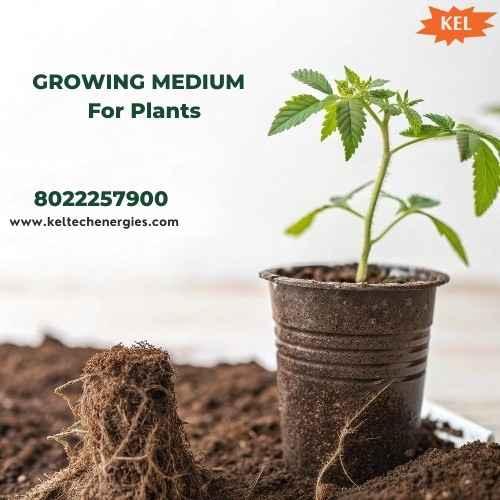
Growing healthy plants at home is not just about sunlight and watering. The foundation of every thriving plant lies below the surface. The medium you choose directly affects root health, nutrient uptake, moisture balance, and long term plant vitality. Many home gardeners overlook this critical factor and wonder why plants struggle despite good care.
This guide explains how to select the right growing medium with clarity and practical insight, so your plants can grow strong from the roots up.
Why does the growing medium matter so much?
Roots are living systems. They breathe, absorb water, and take in nutrients constantly. A poor medium suffocates roots or starves them of essentials. A well chosen medium supports:
• Proper air circulation
• Balanced moisture retention
• Efficient nutrient availability
• Stable root anchoring
When these conditions are met, plants spend less energy surviving and more energy growing.
What exactly is a growing medium?
A growing medium is the material that supports plant roots and supplies water, oxygen, and nutrients. It may or may not contain soil. In modern home gardening, many mixes are engineered for specific plant needs rather than relying on garden soil alone.
The term Growing Medium for Plants refers to this entire support system that influences root environment and plant performance.
Is garden soil suitable for indoor plants?
In most cases, no.
Garden soil is heavy, inconsistent, and often contains pests or pathogens. Indoors, it compacts easily and restricts airflow. This leads to poor drainage and root rot.
Indoor plants need lighter, cleaner, and more predictable media that can handle controlled watering and limited airflow.
What are the main types of growing media?
Understanding your options helps you choose wisely.
Soil based mixes
These combine topsoil with organic matter. They are nutrient rich but can be dense if not balanced correctly.
Soilless mixes
Typically made from coco peat, peat moss, perlite, or vermiculite. They offer better drainage and aeration and are widely used for houseplants.
Organic growing media
These focus on composted bark, coco coir, and natural amendments. They support microbial life and slow nutrient release.
Inert media
Materials like perlite, clay pellets, or sand provide structure and drainage but contain no nutrients on their own.
Each type serves a purpose depending on plant species and growing conditions.
How do you match the medium to plant type?
This is where most home gardeners go wrong. Different plants evolved in different environments, and their roots expect similar conditions.
For leafy houseplants
Plants like pothos, philodendrons, and peace lilies prefer media that hold moisture without becoming soggy.
Ideal traits:
• Moderate water retention
• Good airflow
• Organic matter for nutrients
For succulents and cacti
These plants hate wet feet.
Ideal traits:
• Fast drainage
• High mineral content
• Low organic matter
For herbs and vegetables
Edible plants need consistent nutrients and stable moisture.
Ideal traits:
• Balanced drainage and retention
• Nutrient rich organic content
• pH stability
Choosing a Growing Medium for Plants that aligns with these needs prevents stress and disease.
What role does drainage play?
Drainage is non negotiable.
When water sits around roots, oxygen levels drop. Roots suffocate and decay follows quickly. A good medium allows excess water to escape while holding enough moisture for absorption.
Signs of poor drainage include:
• Yellowing leaves
• Foul smelling soil
• Slow growth
• Root rot
Adding components like perlite or coarse coco chips improves drainage without sacrificing moisture balance.
How important is aeration for roots?
Roots need oxygen as much as water.
Compacted media limit gas exchange and weaken root systems. Aerated mixes create tiny air pockets that keep roots active and healthy.
Good aeration results in:
• Faster nutrient uptake
• Stronger root branching
• Improved disease resistance
This is especially important for plants grown in containers where natural soil structure is absent.
Should nutrients be in the medium or added later?
Both approaches work when done correctly.
Some media contain slow release nutrients that feed plants over time. Others are inert and rely on liquid fertilizers.
For beginners, lightly pre enriched mixes reduce the risk of nutrient deficiency. For experienced growers, controlled feeding allows precision.
Avoid overly rich mixes for young plants. Excess nutrients can burn roots and stunt growth.
Does sustainability matter in home gardening?
Absolutely.
Modern gardeners are more aware of environmental impact. Renewable materials like coco coir are replacing peat moss due to ecological concerns.
High quality manufacturers such as Keltech Energies focus on performance driven, sustainable growing solutions that balance plant health with responsible sourcing.
Choosing eco conscious media supports both your plants and the planet.
How often should you replace the growing medium?
No medium lasts forever.
Over time, organic components break down, drainage declines, and salts accumulate. Most houseplants benefit from fresh medium every 12 to 18 months.
Replace sooner if you notice:
• Compaction
• Poor drainage
• White salt buildup
• Stunted growth
Refreshing the medium rejuvenates roots and restores balance.
Can you make your own growing mix at home?
Yes, if you understand the basics.
A simple balanced mix may include:
• Coco peat for moisture retention
• Perlite for aeration
• Compost for nutrients
Adjust ratios based on plant type. Avoid guessing. Precision matters more than creativity when root health is involved.
What mistakes should home gardeners avoid?
Common errors include:
• Using garden soil indoors
• Overwatering dense media
• Ignoring plant specific needs
• Reusing old compacted mixes
Most plant problems trace back to root conditions, not leaves.
Final thoughts
Choosing the right growing medium is not a minor detail. It is the foundation of successful home gardening. When roots are healthy, plants thrive naturally with fewer interventions.
By understanding plant needs, drainage, aeration, and sustainability, you create an environment where growth becomes effortless rather than forced.
Invest in the right medium once, and your plants will reward you every day with stronger growth, richer color, and longer life.

 English
 Arabic
 French
 Spanish
 Portuguese
 Deutsch
 Turkish
 Dutch
Dutch
 Italiano
 Russian
 Romaian
 Portuguese (Brazil)