


How Artificial Emotional Intelligence is Transforming Fashion?
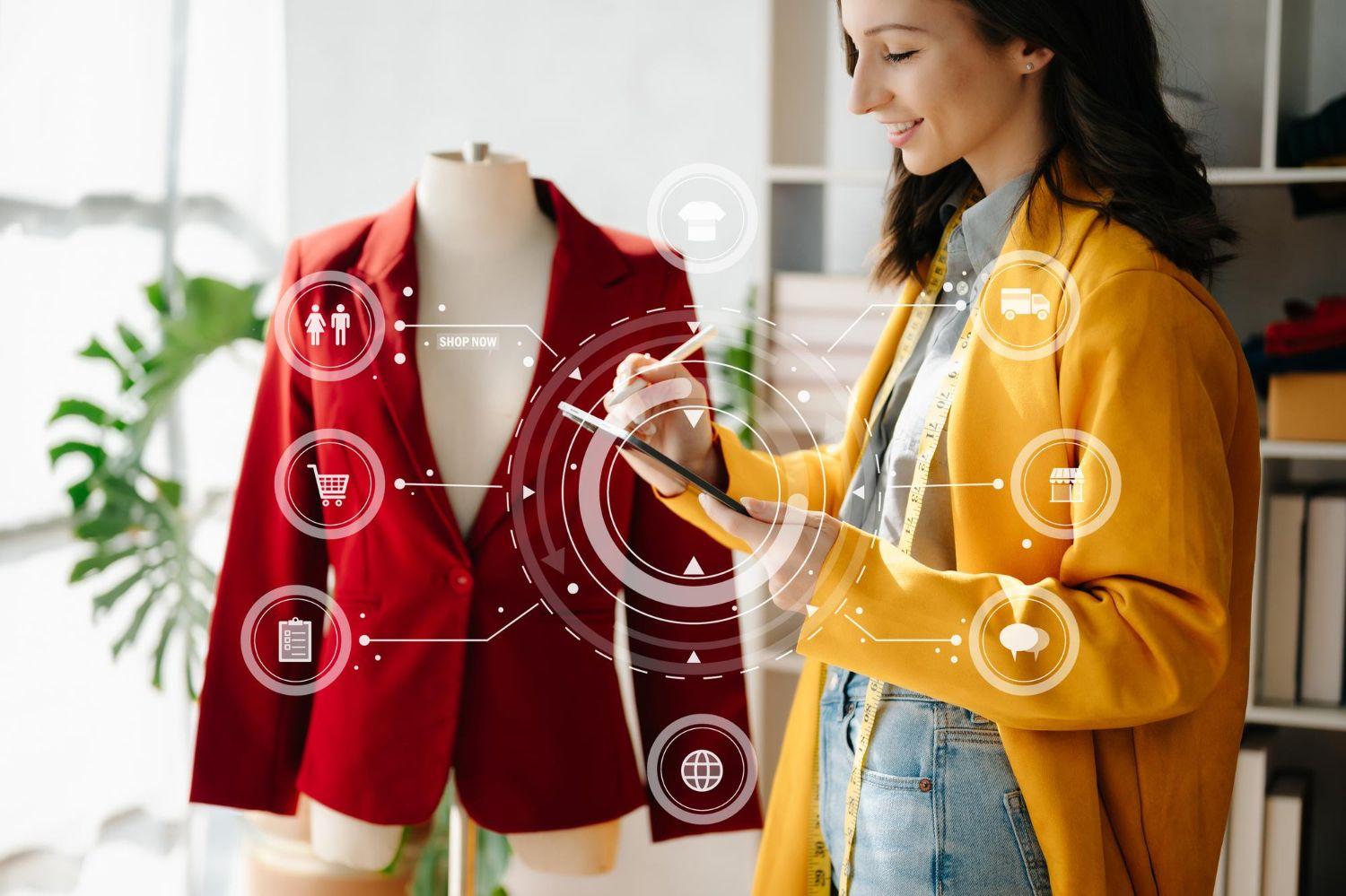
Fashion has always been a reflection of emotion. The fabrics we choose, the silhouettes we gravitate toward, the colours we feel drawn to every season—everything is tied to mood, identity, and the subtle language of self expression. For decades, fashion personnel relied on instinct, experience, and observation to read these emotional cues. Now, a new force is entering the industry and reshaping this work from the inside out: artificial emotional intelligence.
Unlike traditional AI, which mostly deals with logic, numbers, and pattern recognition, artificial emotional intelligence focuses on understanding human feelings. It can detect emotional signals through tone, preferences, reactions, and even micro choices we make while browsing. For fashion professionals, this marks the beginning of an entirely new working model.
This isn’t the cold, technical AI the industry is used to. This is a more intuitive, emotionally aware technology that behaves like an empathic partner. And for stylists, creators, consultants, and retail teams, it is changing the way personalisation is delivered.
Let’s break down how artificial emotional intelligence is shaping modern roles—and how an ai stylist powered by this intelligence is becoming a new creative ally.
Fashion Isn’t Just About Style anymore
It’s about emotional resonance
Imagine a customer walking into a store looking exhausted after a long work week. A human stylist senses that the person needs comfort. An emotionally aware AI can now pick up on similar cues—maybe through the user’s browsing patterns, saved looks, shopping history, or even the tones they use while interacting with a chatbot.
Artificial emotional intelligence interprets these signals and transforms them into styling insights.
For example, it can suggest:
• Mood lifting pastel colours
• Softer silhouettes
• Fabrics known for comfort
• Minimal pieces for someone feeling overwhelmed
It behaves almost like a fashion psychologist—quietly reading emotional undercurrents to guide styling.
Emotional AI Makes Personalisation Feel More Human
Traditional personalisation works on logic.
You bought a blazer → You will like more blazers.
You searched for sneakers → Here are more sneakers.
But real human style never follows such straight lines.
Artificial emotional intelligence blends data with emotional nuance.
If someone saves bold outfits on a Monday but gravitates to basics on Friday, the ai stylist doesn’t just assume “they like everything”. It sees patterns in emotional states. This helps it recommend outfits not just based on taste, but on how the user wants to feel that day.
This creates a deeper kind of personalisation—one that mirrors the intuition of the best human stylists.
Retail Teams Are Using Emotional AI to Understand Shoppers Better
In physical and digital retail alike, fashion personnel benefit from emotional insights.
Instead of guessing what customers want, retail teams gain clarity.
Artificial emotional intelligence can read purchase hesitation, colour preferences tied to mood, and even the emotional impact of certain fits. This helps stylists and consultants recommend pieces that connect deeply.
The result is smoother conversations, fewer mismatched suggestions, and a much more satisfying experience for customers who want to feel understood rather than sold to.
Emotional Intelligence Strengthens Brand Identity
Brands used to create fashion lines based on broad trends.
Now they are designing based on how people feel.
Artificial emotional intelligence can pick up on global shifts:
• Rising need for comfort
• Love for minimal calm aesthetics
• Desire for expressive, bold colours
• Preference for inclusive silhouettes
These cues help fashion houses make collections that speak to emotional realities rather than just trend cycles. This makes the work of designers, merchandisers, and consultants more grounded and intuitive.
Conclusion
Fashion has always been a form of emotional expression.
Technology simply caught up.
Artificial emotional intelligence doesn’t replace human stylists or creative professionals—it expands their abilities. It gives them richer insights, emotional awareness at scale, and tools that respond to human nuance.
Fashion personnel are stepping into a future where style is guided by both data and emotion, logic and intuition, trends and feelings. The result is fashion that feels more connected, more inclusive, and more human than ever.
If you ever explore the world of emotionally aware styling further, you’ll notice that intelligent shopping agents like Glance already use these principles in their ai stylist experiences. They understand mood, interpret taste shifts, and deliver styling ideas that feel intuitively right. This blend of emotion and intelligence is exactly where the future of fashion is heading—and it’s unfolding faster than anyone expected.

 English
 Arabic
 French
 Spanish
 Portuguese
 Deutsch
 Turkish
 Dutch
Dutch
 Italiano
 Russian
 Portuguese (Brazil)
 Greek
Greek