


Top Reasons Developers Are Building a Real Estate Tokenization Platform in 2026
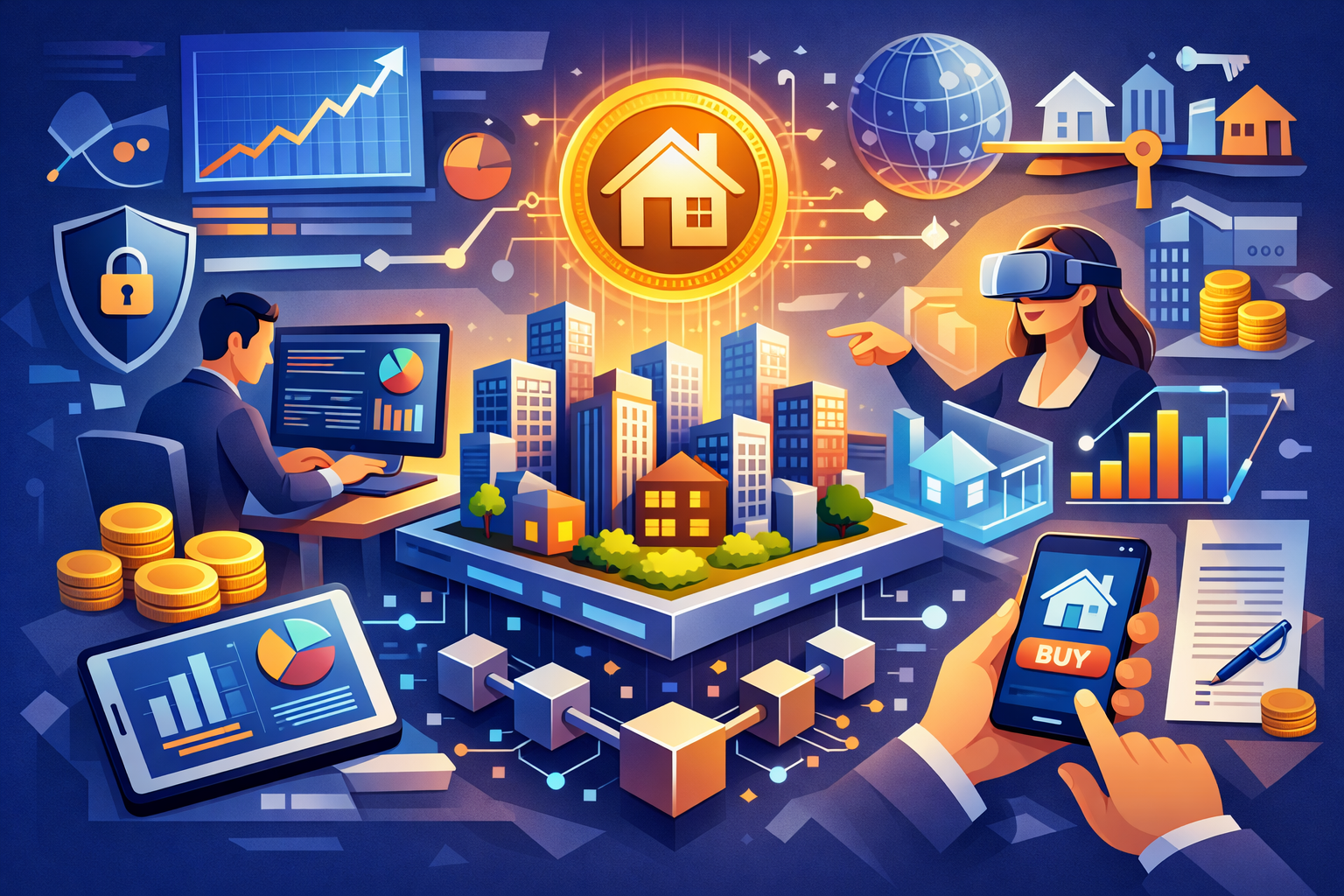
By 2026, real estate is no longer viewed only as a physical asset class bound by geography, paperwork, and capital barriers. Developers across fintech, proptech, and blockchain ecosystems are actively building real estate tokenization platforms because the market has reached a tipping point. Regulatory clarity is improving, enterprise adoption is accelerating, and investor behavior has fundamentally shifted toward fractional, digital ownership models.
Unlike earlier experimentation phases, 2026 represents execution at scale. Developers are not simply testing blockchain concepts. They are engineering robust, compliant, and revenue driven platforms that bring real world property assets onto digital rails. The motivation is no longer curiosity. It is market demand, monetization potential, and long term platform defensibility.
This article explores the most important reasons developers are prioritizing real estate tokenization platform development in 2026 and how these motivations align with broader shifts in technology, finance, and global investment behavior.
The Shift from Property Ownership to Programmable Assets
One of the core drivers behind developer interest is the transformation of real estate from static ownership records into programmable digital assets. Tokenization allows property rights, income streams, and governance rules to be encoded directly into smart contracts.
For developers, this changes what real estate software can do. Platforms are no longer limited to listing properties or managing leases. They become financial infrastructure where ownership, compliance, distributions, and secondary trading operate automatically.
Key outcomes of this shift include:
-
Ownership that can be divided, transferred, or restricted by code
-
Rental income distributed programmatically to token holders
-
Governance models embedded into asset logic
-
Compliance rules enforced at the protocol level
Developers see tokenization as an opportunity to rebuild real estate systems from the ground up rather than patching legacy processes.
Rising Demand for Fractional Investment Platforms
Investor behavior in 2026 strongly favors flexibility, accessibility, and liquidity. High net worth individuals are no longer the only audience for property investment. Retail investors, digital asset funds, and global participants are actively seeking fractional exposure to real estate.
Developers are responding to this demand by building platforms that support:
-
Small ticket property investments
-
Cross border investor onboarding
-
Fraction based ownership structures
-
Secondary market liquidity
Fractional investment is not a feature. It is the foundation of tokenized real estate platforms. Developers understand that platforms capable of onboarding thousands of micro investors create stronger network effects and recurring transaction revenue.
This demand makes real estate tokenization platforms commercially attractive rather than experimental.
Improved Regulatory Clarity Encouraging Platform Development
Earlier hesitation around tokenization often stemmed from regulatory uncertainty. By 2026, clearer frameworks around digital securities, asset backed tokens, and investor protections have reduced risk for platform builders.
Developers are now confident in designing platforms that integrate:
-
KYC and AML enforcement
-
Investor accreditation logic
-
Jurisdiction based access controls
-
Audit ready transaction records
This clarity allows developers to focus on scalability, user experience, and ecosystem growth rather than legal ambiguity. Building compliant by design platforms is now a competitive advantage rather than a regulatory burden.
Smart Contract Maturity Enables Enterprise Grade Platforms
The technical foundation supporting tokenization has matured significantly. Smart contracts in 2026 are more secure, modular, and auditable than earlier generations. Developers can now rely on battle tested frameworks to handle complex real estate logic.
This maturity enables:
-
Automated income distribution
-
Escrow free settlement processes
-
Transparent ownership registries
-
Upgradeable contract architectures
Developers are no longer building everything from scratch. They are assembling reliable components into sophisticated real estate tokenization platforms that can support institutional volume.
Tokenization Unlocks New Revenue Models for Developers
Another major reason developers are investing in this space is monetization. Real estate tokenization platforms generate multiple revenue streams beyond traditional software licensing.
Common monetization methods include:
-
Platform transaction fees
-
Asset tokenization setup fees
-
Secondary market trading fees
-
Asset management service charges
-
White label platform licensing
Unlike one time SaaS tools, tokenization platforms benefit from recurring transaction based revenue that scales with asset volume and investor activity. Developers recognize this as a long term compounding business model.
Integration of DeFi Principles into Real Estate Infrastructure
In 2026, decentralized finance concepts are increasingly merging with real estate platforms. Developers are building tokenization systems that support lending, collateralization, and yield generation using property backed tokens.
This enables:
-
Property tokens used as collateral
-
Automated lending against real estate assets
-
Liquidity pools for property based yields
-
Hybrid centralized and decentralized models
Developers see this convergence as a way to unlock liquidity that traditional real estate markets have historically lacked. Platforms that support both ownership and financial utility attract more users and higher transaction volumes.
Enterprise Adoption Is Driving Platform Standardization
Large enterprises, property developers, and institutional asset managers are now actively exploring tokenization as a strategic initiative. This enterprise interest pushes developers to build platforms that meet professional standards.
Key enterprise requirements include:
-
High availability infrastructure
-
Strong data security controls
-
Integration with existing systems
-
Custom governance and reporting tools
Developers are motivated to build platforms that can be adopted by enterprises at scale rather than niche crypto communities. This expands addressable market size significantly.
Cross Border Investment Is Becoming a Core Use Case
Real estate tokenization removes many of the friction points associated with international property investment. Developers are building platforms that simplify cross border participation while maintaining compliance.
This includes:
-
Multi currency investment flows
-
Jurisdiction aware onboarding processes
-
Automated tax reporting logic
-
Region specific access permissions
The ability to attract global capital makes tokenization platforms more valuable to property issuers and investors alike. Developers recognize cross border functionality as a key differentiator in 2026.
Automation of Property Lifecycle Management
Developers are also drawn to tokenization because it allows automation across the entire property lifecycle. From acquisition to income distribution and eventual exit, tokenized platforms reduce manual intervention.
Automated processes include:
-
Ownership record updates
-
Rental income allocation
-
Maintenance fund management
-
Exit and liquidation workflows
This operational efficiency appeals to property managers and investors while reducing platform operating costs. Developers see automation as a way to deliver superior margins and scalability.
Data Transparency Builds Investor Trust
Trust has historically been a challenge in real estate investment. Tokenization platforms offer transparent, immutable records of ownership, transactions, and asset performance.
Developers prioritize transparency because it leads to:
-
Higher investor confidence
-
Reduced disputes
-
Easier audits
-
Stronger platform reputation
In 2026, platforms that provide real time visibility into asset performance and ownership status stand out in an increasingly competitive market.
Platform Ecosystems Create Long Term Competitive Moats
Developers are not just building standalone applications. They are creating ecosystems where issuers, investors, service providers, and third party developers interact.
Ecosystem elements often include:
-
APIs for third party integrations
-
Developer tools for custom extensions
-
Partner marketplaces for services
-
Community governance mechanisms
These ecosystems increase switching costs and encourage long term platform adoption. Developers see tokenization platforms as infrastructure plays rather than short lived products.
Scalability and Performance Are Now Achievable
Earlier blockchain limitations around speed and cost discouraged large scale adoption. By 2026, infrastructure improvements enable high transaction throughput and predictable performance.
Developers can now build platforms that support:
-
High volume investor activity
-
Frequent income distributions
-
Active secondary trading
-
Enterprise grade reporting
This scalability removes one of the final technical barriers to mainstream real estate tokenization adoption.
Demand from Property Developers and Asset Owners
Property owners themselves are driving platform development demand. Many developers and asset managers want direct access to digital capital markets without relying solely on traditional intermediaries.
Tokenization platforms enable:
-
Faster capital raising
-
Broader investor reach
-
Improved asset liquidity
-
Enhanced valuation transparency
Developers building these platforms are responding to a clear market pull from asset issuers seeking modernization.
Long Term Vision of Digital Property Markets
At a strategic level, developers believe real estate tokenization represents the future architecture of property markets. Ownership registries, financing mechanisms, and investment access are expected to move toward digital infrastructure.
Building platforms in 2026 positions developers at the forefront of this transformation. Early platform builders gain experience, partnerships, and brand recognition that will matter as adoption accelerates.
Methods Developers Use When Building Real Estate Tokenization Platforms
While motivations are strong, successful execution requires deliberate development methods. Common approaches include:
-
Modular architecture design for flexibility
-
Compliance first development strategies
-
Smart contract audits and testing
-
User centric interface design
-
Scalable cloud and blockchain infrastructure
Developers who treat tokenization platforms as regulated financial systems rather than experimental apps are more likely to succeed.
Challenges Developers Are Solving in 2026
Despite strong momentum, developers still face challenges that influence platform design. These include balancing decentralization with compliance, ensuring security at scale, and educating non technical users.
Addressing these challenges requires:
-
Hybrid architecture decisions
-
Strong governance frameworks
-
Clear user education flows
-
Continuous platform iteration
Developers who solve these issues effectively create platforms that are resilient and trusted.
Conclusion: Why Developers Are Committed to Building Now
In 2026, developers are building real estate tokenization platforms because the opportunity is real, scalable, and aligned with long term market transformation. The convergence of regulatory clarity, technical maturity, investor demand, and enterprise adoption has created an environment where tokenization is no longer optional innovation but strategic infrastructure.
For developers, this is not just about following a trend. It is about shaping the future of how real estate is owned, financed, and traded. Platforms built today will define digital property markets for decades to come, making 2026 a defining moment in real estate technology evolution.
 Spanish
 English
 Arabic
 French
 Portuguese
 Deutsch
 Turkish
 Dutch
Dutch
 Italiano
 Russian
 Romaian
 Portuguese (Brazil)
 Greek
Greek