How to Properly Install PVC Boards
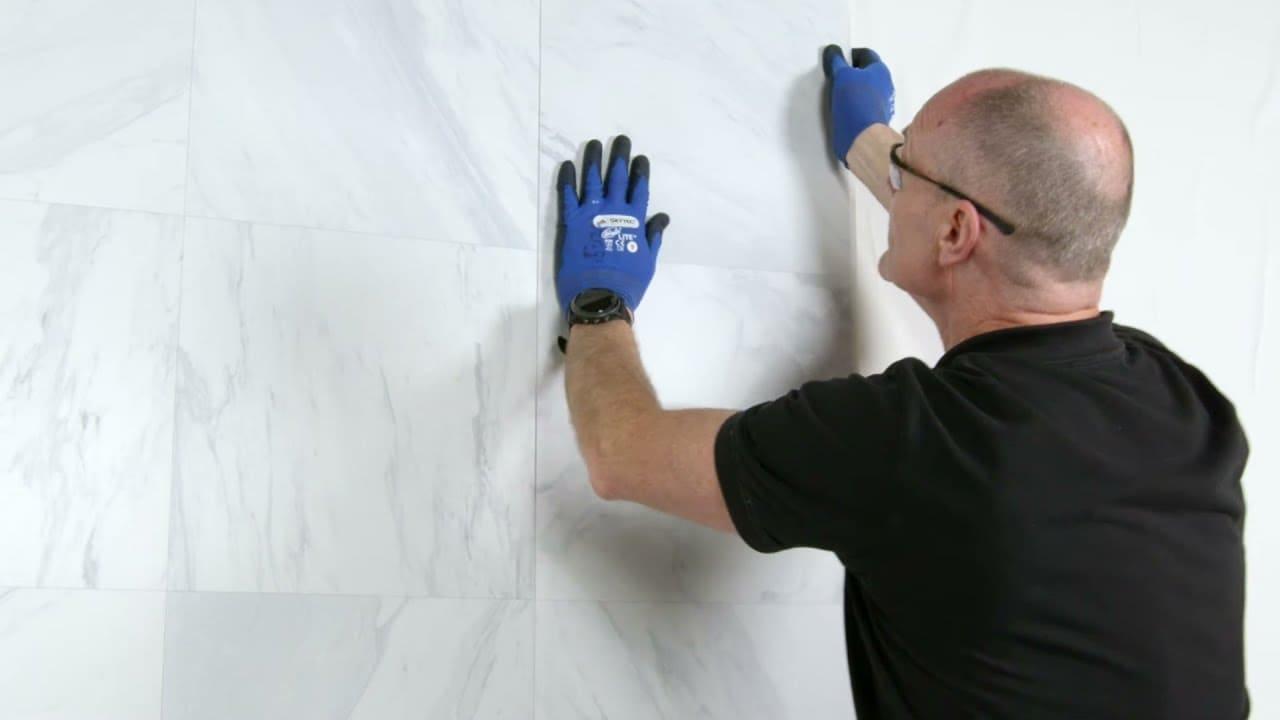
PVC boards continue to gain ground across construction, interior design, and outdoor applications because they are stable, versatile, and resistant to moisture and insects. From wall cladding and furniture components to exterior trim and façade solutions, PVC boards offer performance that traditional wood often struggles to match. Yet even the best material depends on correct installation. Knowing how to properly Install PVC Boards ensures durability, clean lines, and long term value for both professionals and end users.
Below is a clear, step by step guide designed for global professionals who want reliable results on every project.
Understand the Properties Before Installation
PVC boards behave differently from wood, which is one of their biggest advantages. They do not rot, they resist warping, and they maintain consistent dimensions even in humid or coastal environments. They can also be cut, routed, and fastened with standard tools.
Since PVC expands and contracts slightly with temperature, it is important to allow boards to acclimate. Store them on a flat surface at the jobsite for 24 hours before installation. This reduces stress once the boards are in place and helps maintain tight joints.
Use the Right Tools and Accessories
Most tools used for woodworking will work with PVC products. Circular saws, miter saws, and CNC routers cut cleanly. Use carbide tipped blades with a high tooth count for smoother edges. Keep the boards supported while cutting to avoid chipping at the end of the cut.
For fastening, both stainless steel and high quality coated screws are recommended. Corrosion resistant fasteners prevent staining and ensure the fasteners last as long as the boards. Many manufacturers also offer hidden fastening systems that produce seamless surfaces for wall cladding and trim work.
PVC specific adhesives provide another strong bonding option. When used correctly, adhesives can create joints that outperform mechanical fastening in appearance and strength.
Plan Accurate Measurements
Good layout planning helps avoid mistakes and wasted material. Measure the installation surface carefully, especially in areas with irregular shapes or tight corners. Mark cutting lines clearly and double check each dimension.
For exterior applications, consider expansion gaps. Most PVC board manufacturers provide a recommended gap range that accounts for the climate in which the boards will be installed. These small allowances ensure the boards can move without bowing or buckling.
Cutting and Edge Preparation
When cutting PVC boards, steady feed pressure and sharp blades produce the cleanest finish. Remove burrs using sandpaper or a utility knife. If the board will remain exposed, smooth edges create a more refined appearance and improve paint adhesion if painting is required.
PVC boards generally do not need primer for paint, but always follow the paint manufacturer’s instructions. High quality 100 percent acrylic paints produce the most stable finishes.
Installation on Interior Surfaces
For interior spaces such as kitchens, bathrooms, laboratories, and high humidity environments, PVC boards shine. They resist mold growth and eliminate concerns related to swelling or decay.
Follow these steps for interior applications:
- Ensure the wall or surface is clean, dry, and level.
- Use mechanical fasteners, PVC adhesives, or a combination of both depending on the load and the expected movement.
- If using screws, predrill holes to prevent cracking and maintain clean edges.
- Maintain uniform spacing between boards to achieve a consistent visual pattern.
- Seal joints with compatible PVC sealants for a smooth, sanitary finish where needed.
Interior installers often appreciate how easy it is to sanitize PVC surfaces. This makes them ideal for healthcare, hospitality, and commercial projects where hygiene is a priority.
Installation on Exterior Surfaces
Outdoor environments place higher demands on materials. Sun exposure, temperature shifts, and moisture are constant challenges. PVC boards handle these conditions better than many traditional materials, but proper installation still matters.
For exterior use:
- Leave recommended expansion gaps at board ends.
- Fasten boards at the center points first, then work outward. This promotes even movement.
- Do not overtighten screws. A snug fit is enough.
- Use stainless steel fasteners for long term corrosion resistance.
- Follow manufacturer guidelines for adhesive use on façades or high exposure trim.
Caulk joints with exterior grade sealants designed for PVC. This blocks moisture entry and preserves clean lines for the long run.
Finishing and Maintenance
One of the benefits of PVC boards is their low maintenance. They do not require frequent sealing or repainting. Most boards can be cleaned using mild detergents and water.
If the project calls for a painted finish, select compatible coatings and apply them according to the manufacturer’s recommendations. Avoid dark colors in extremely hot climates unless using heat reflective formulas, since darker colors can increase surface temperature.
PVC boards also resist damage from insects, so they are ideal for installations in regions where termites are common.
Final Thoughts
Professionals across the world choose PVC boards because of their stability, low maintenance requirements, and versatility across both interior and exterior applications. When you understand how to Install PVC Boards correctly, you unlock the full potential of the material and deliver results that are long lasting and visually consistent. Thoughtful preparation, the right tools, and attention to detail make all the difference.

 Arabic
 French
 Spanish
 Portuguese
 Deutsch
 Turkish
 Dutch
Dutch
 Italiano
 Russian
 Romaian
 Portuguese (Brazil)
 Greek
Greek