


What Are Common Installation Mistakes Technicians Should Avoid in Fire Alarm Systems
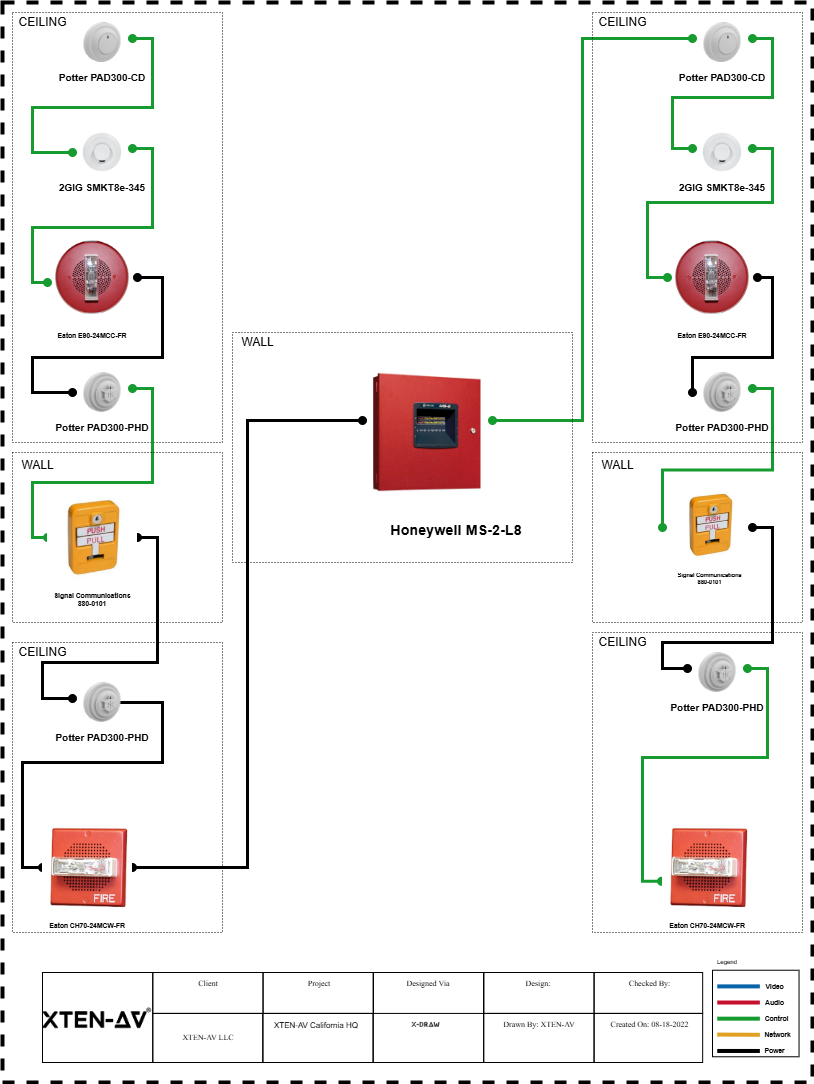
Fire alarm systems are a critical component of building safety. They detect smoke, fire, and other hazards and alert occupants and emergency services. However, even the best fire alarm systems can fail if they are not installed correctly. Technicians play a vital role in ensuring these systems operate reliably. Mistakes during installation can lead to false alarms, system failures, or delayed responses during emergencies. This blog highlights common installation mistakes that technicians should avoid to ensure fire alarm systems function effectively.
Ignoring Manufacturer Guidelines
One of the most frequent mistakes is failing to follow the manufacturer’s installation instructions. Each fire alarm device comes with specific guidelines for placement, wiring, and configuration. Ignoring these instructions can result in poor performance or system malfunction. Technicians should carefully review manuals and specifications before installation and follow recommended practices to ensure optimal device operation and compliance with safety standards.
Incorrect Device Placement
Improper placement of smoke detectors, heat detectors, and alarm panels is another common issue. For example, placing smoke detectors too close to air vents, windows, or kitchens can cause false alarms or delayed detection. Heat detectors placed in areas with fluctuating temperatures may also trigger false alerts. Technicians should carefully evaluate the environment and position devices according to industry standards and building codes. Proper placement ensures timely detection and reduces the likelihood of false alarms.
Improper Wiring and Connections
Faulty wiring or loose connections can compromise the reliability of a fire alarm system. Technicians sometimes use incorrect cable types, fail to secure connections, or overlook proper grounding. These mistakes can cause intermittent operation, communication failures, or complete system outages. Following proper wiring practices, using certified cables, and double checking connections are essential to prevent these issues.
Skipping System Testing
Testing is a critical step in fire alarm installation. Some technicians skip or inadequately perform system tests, assuming that correct wiring ensures proper operation. Without comprehensive testing, issues such as false alarms, sensor failures, or communication errors may go unnoticed until an actual emergency occurs. Technicians should conduct full system tests, including device activation, alarm signals, and control panel monitoring, to verify that the system functions as intended.
Overlooking Compatibility Issues
Fire alarm systems often include devices from different manufacturers or components integrated with other building systems. Using incompatible devices can result in malfunction or communication errors. Technicians should ensure that all devices, panels, and modules are compatible and support the same communication protocols. Checking compatibility reduces the risk of system failures and ensures smooth integration with other safety systems like sprinklers or building management systems.
Neglecting Environmental Considerations
Environmental factors such as humidity, temperature, and dust can affect the performance of fire alarm devices. Technicians sometimes install detectors in areas where these conditions exceed manufacturer limits. For example, high humidity can cause condensation inside smoke detectors, while excessive dust can block sensors. Evaluating the environment and selecting suitable devices for specific conditions is critical to maintaining system reliability.
Improper Battery Installation or Maintenance
Many fire alarm devices rely on batteries as a backup power source. Technicians occasionally install batteries incorrectly or fail to check battery health during installation. Dead or improperly connected batteries can result in system failure during a power outage. Properly installing and testing batteries, and ensuring they meet manufacturer specifications, is essential for uninterrupted system operation.
Ignoring Local Codes and Regulations
Building codes and safety regulations dictate specific requirements for fire alarm installation. Ignoring these standards can result in noncompliance, legal issues, or unsafe installations. Technicians must familiarize themselves with local codes, fire safety regulations, and industry best practices. Compliance ensures that the system meets legal requirements and provides reliable protection.
Failing to Document Installation Details
Documentation is an often-overlooked aspect of fire alarm installation. Technicians should record device locations, wiring diagrams, test results, and system configurations. Without proper documentation, future maintenance, troubleshooting, or system upgrades can become challenging. Accurate records support ongoing system reliability and help facility managers respond effectively to alarms or maintenance needs.
Overloading Circuits
Connecting too many devices to a single circuit can overload the system and cause malfunctions. Technicians must calculate power requirements, consider current draw, and distribute devices across circuits appropriately. Proper circuit management prevents device failures, ensures reliable operation, and maintains compliance with electrical standards.
Not Training End Users
Even a perfectly installed fire alarm system can fail if end users do not understand how to operate it. Technicians sometimes neglect to provide adequate training on alarm silencing, system testing, or emergency procedures. Educating building occupants and facility staff ensures that the system is used effectively and that appropriate actions are taken during an emergency.
Conclusion
Installing fire alarm systems requires attention to detail, adherence to guidelines, and awareness of potential pitfalls. Common mistakes such as ignoring manufacturer instructions, incorrect device placement, faulty wiring, inadequate testing, and noncompliance with codes can compromise system reliability. Technicians should follow best practices, consider environmental factors, ensure compatibility, and maintain proper documentation. By avoiding these mistakes and providing end-user training, fire alarm systems can deliver reliable performance, timely alerts, and enhanced safety for occupants and property. Proper installation is the foundation of an effective fire safety strategy.
Read more: https://theomnibuzz.com/whats-your-experience-with-integrating-fire-alarm-systems-with-bms

 English
 Arabic
 French
 Spanish
 Portuguese
 Deutsch
 Turkish
 Dutch
Dutch
 Italiano
 Russian
 Romaian
 Portuguese (Brazil)