


Cancer Screening Test: A Complete Guide for Patients
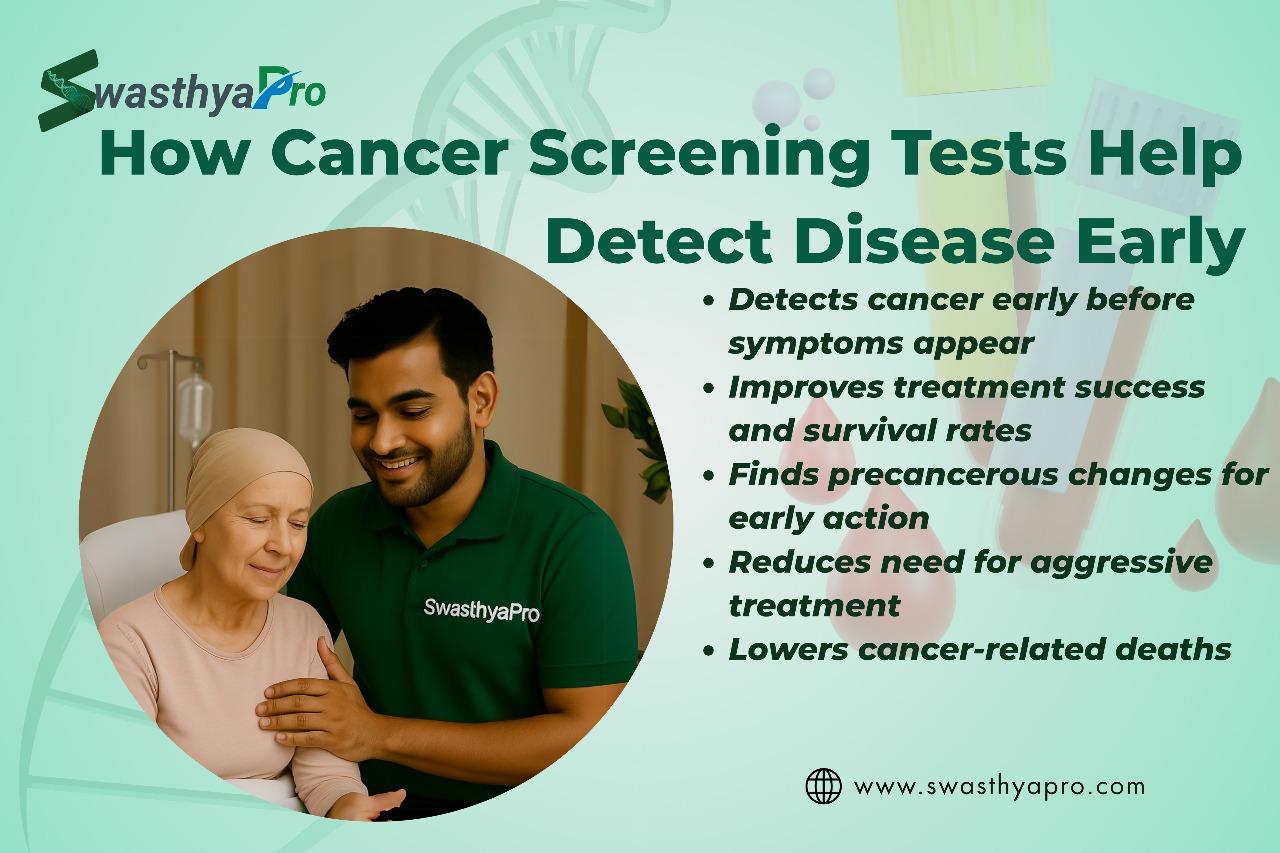
Cancer screening tests are essential tools that help detect cancer at an early stage, often before symptoms appear. These tests can significantly increase the chances of successful treatment and survival. Understanding what cancer screening tests are, how they work, and when you should take them can empower you to make informed healthcare decisions.
A cancer screening test is designed to look for cancer or precancerous changes in the body. These tests vary depending on the type of cancer being targeted. For example, mammograms are used for breast cancer, Pap smears for cervical cancer, colonoscopy for colorectal cancer, and low-dose CT scans for lung cancer in high-risk individuals. Each type of screening has its own guidelines and frequency recommendations.
The primary purpose of a cancer screening test is to identify disease early, when it is most treatable. Many cancers do not produce symptoms in their initial stages, and by the time symptoms appear, the disease might already be advanced. Early detection can mean less aggressive treatments, fewer complications, and better quality of life.
When it comes to choosing a screening test, age, family history, lifestyle factors, and personal health risks all play a role. For instance, individuals with a family history of breast cancer may start mammograms earlier than the general population. Similarly, smokers or former smokers may require lung cancer screening earlier and more frequently.
Cancer screening tests are generally safe, but they are not without limitations. False positives can cause unnecessary anxiety and lead to additional tests, while false negatives may miss a cancer that is present. That’s why screening guidelines are based on scientific evidence to ensure that the benefits outweigh the risks.
Patients should also be aware that screening is not a one-time process but an ongoing commitment. Depending on the type of cancer, screenings may be needed every year, every few years, or even more frequently for high-risk individuals. Following the recommended schedule is key to maximizing the benefits of early detection.
In addition to medical screenings, individuals can take preventive measures such as maintaining a healthy weight, eating a balanced diet, exercising regularly, avoiding tobacco, and limiting alcohol intake. These lifestyle changes complement screening efforts and further reduce cancer risk.
Healthcare providers play an important role in guiding patients through the screening process. They can recommend the most appropriate tests, explain the results, and arrange follow-up care if needed. Open communication with your doctor ensures that screening becomes a personalized and effective preventive strategy.
In summary, cancer screening tests are powerful tools that save lives by detecting disease early. Staying informed about the different types of screenings, following recommended guidelines, and working closely with your healthcare provider can make a life-changing difference.

 English
 Arabic
 French
 Spanish
 Portuguese
 Deutsch
 Dutch
Dutch
 Italiano
 Russian
 Romaian
 Portuguese (Brazil)
 Greek
Greek