


How Often Should You Take a Cancer Screening Test?
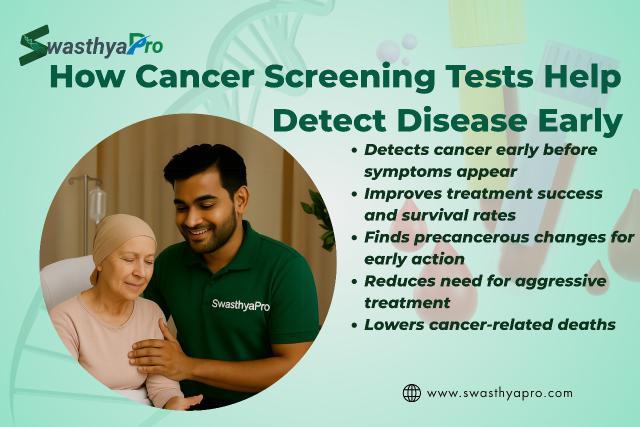
Introduction: Regular Screening Saves Lives
Taking a cancer screening test once is a good start—but regular screening is what truly helps in early detection. Many types of cancer grow slowly and silently, so getting tested just once may not be enough. The frequency of these tests depends on your age, personal health, family history, and the type of cancer being screened. Understanding how often to get screened can help you stay on top of your health.
Screening Frequency Based on Age
For most adults, doctors recommend starting certain cancer screening tests around the age of 40 or 45. After that, tests may be repeated every year, every few years, or once a decade—depending on the type. For example, mammograms are typically done every 1 to 2 years for women over 40, while colonoscopies may be done every 10 years starting at age 45. It’s important to follow your doctor’s specific advice, as it may change based on your risk.
More Frequent Screening for High-Risk Individuals
People at higher risk may need to take a cancer screening test more often. If you have a family history of cancer, a genetic condition like BRCA mutation, or a history of smoking, your doctor might suggest more regular checks. For instance, individuals with a strong family history of colon cancer may need screenings every 3 to 5 years instead of 10. These early and repeated screenings are key in catching signs before cancer has a chance to grow.
Cancer Type Also Determines Timing
Different types of cancer screening test follow different schedules. For cervical cancer, women are usually advised to take a Pap smear every 3 years starting from age 21. Prostate cancer screening may begin around age 50, or earlier if there's a family history. Lung cancer screenings, often done with low-dose CT scans, are usually recommended yearly for long-term smokers aged 50 and older. Each type of cancer has its own guidelines, and it's important to stay informed.
Adjusting Frequency Over Time
The need for a cancer screening test can change as you get older. Some screenings may be done less often if your results have been consistently normal. In some cases, screening may stop entirely at a certain age if your doctor feels it's no longer necessary. For example, women over 65 with a long history of normal Pap smears may no longer need cervical cancer screening. Always check in with your doctor regularly to review and adjust your screening schedule.
What Happens If You Miss a Screening?
Life gets busy, and sometimes appointments are missed. If you skip a cancer screening test, don’t panic—but do reschedule as soon as possible. Missing regular tests can delay early detection and make treatment more difficult if something is found later. A late test is always better than no test. Getting back on track with your screening routine is the best way to stay ahead of potential health issues.
Conclusion: Make Screening a Regular Habit
A cancer screening test isn’t a one-time event—it’s part of your long-term health routine. How often you get tested depends on many factors, including your age, lifestyle, and medical history. Speak with your doctor about the right schedule for you and make it a habit to stay on track. Regular screening gives you the power to catch problems early, take action quickly, and live with greater peace of mind.

 English
 Arabic
 French
 Spanish
 Portuguese
 Deutsch
 Turkish
 Dutch
Dutch
 Italiano
 Romaian
 Portuguese (Brazil)
 Greek
Greek