


Why We Smell Wine Before Tasting: The Science Behind the Swirl
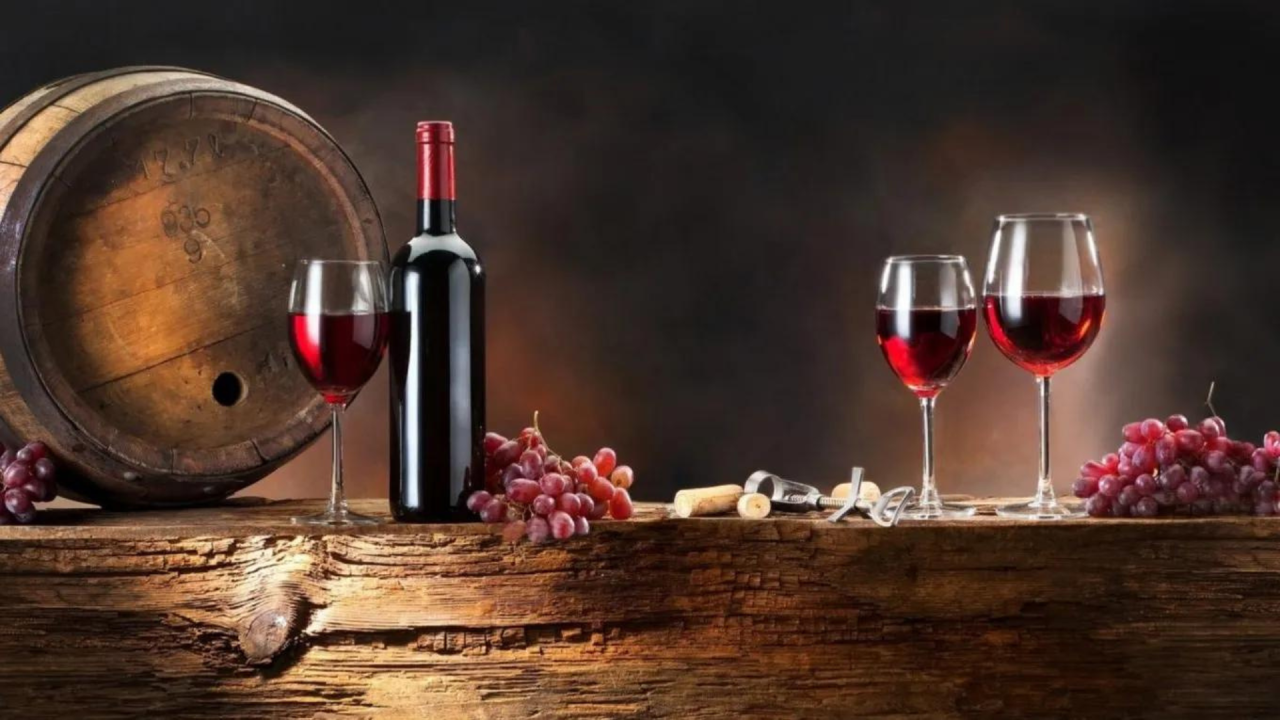
If you’ve ever watched someone swirl a glass of wine, close their eyes, and take a deep breath before sipping—you might wonder, is it just a ritual or does it really matter? The answer is both scientific and sensory: smelling wine is one of the most important steps in truly understanding it.
For those beginning their journey into the world of wine, this initial sniff offers a window into the complex flavors that define every bottle. Whether you’re exploring red wine or white wine, the aroma tells you more than the color or even the first sip can.
The Science of Scent in Wine Tasting
Our sense of smell is far more powerful than we often realize. When you inhale a glass of wine, you're picking up on hundreds of volatile compounds that give the wine its unique character.
This is why many experts say that wine is first tasted through the nose. In fact, research shows that up to 80% of flavor is derived from smell. So, when we talk about how to taste wine, we’re really talking about how to smell it first.
Swirling the wine in your glass releases these aromatic compounds, allowing them to rise and reach your nose. This is the science behind the swirl—and it’s essential for decoding a wine’s tasting notes.
What Your Nose Knows: Understanding Wine Aromas
The aromas you detect aren’t just pleasant—they reveal clues about the wine’s classification, age, origin, and even how it was made. This is where wine terms explained come into play. Common descriptors like “floral,” “earthy,” or “spicy” all originate from aroma detection.
With practice, you'll begin to understand:
-
Whether the wine is light-bodied or full-bodied
-
The presence of acidity, tannins, or sweetness
-
The winemaking techniques and grape variety (without naming it!)
This is especially useful when choosing from a curated wine selection in India, where premium options often include aromatic profiles in their product descriptions.
Red Wine vs. White Wine: Aroma Differences
Both red wine varieties and white wine present different aroma experiences. Red wines often reveal deeper, more robust scents, while white wines can lean toward lighter, more citrusy or floral tones.
By engaging your nose, you begin to prepare your palate. The aroma sets expectations, allowing your brain to anticipate flavor—enhancing the overall tasting experience.
This method is often emphasized by premium wine importers in India, who guide their customers through aroma-led tastings to fully appreciate the layers in each glass.
How Smelling Enhances Tasting
When you take a sip after smelling the wine, something incredible happens: you start identifying flavors more clearly. This is because the connection between taste and smell in the brain becomes activated, helping you decode the wine tasting notes more accurately.
Think of it as priming your senses. Smelling first helps bridge the gap between simple drinking and conscious tasting. It’s an essential part of learning how to taste wine properly.
Building Your Aroma Vocabulary
Understanding wine isn’t about memorizing obscure terms. It’s about connecting what you smell and taste with everyday experiences. Building a mental library of scents—from herbs and spices to flowers and wood—can enhance your confidence.
This is especially helpful when reading product details from a curated wine selection in India. You’ll start to connect the words on the label with real sensory experiences, making your wine journey more informed and enjoyable.
Common Missteps to Avoid
If you're new to this, it’s easy to get overwhelmed. Here are some quick tips:
-
Don’t overpower the nose: Avoid strong perfumes or food smells nearby.
-
Don’t rush: Let the wine breathe a moment before sniffing.
-
Don’t hold the glass too high or too close—aim for gentle whiffs.
These small adjustments can make a big difference in your appreciation of red wine or white wine.
Your Nose, Your Guide
At its core, wine tasting is about awareness. By paying attention to the scent before the sip, you engage more senses and appreciate the journey of the wine—from vineyard to glass.
For wine lovers building their knowledge, especially when sourcing from premium wine importers in India, aroma becomes the gateway to understanding a wine’s story. Each swirl, each sniff, is a step closer to mastering the craft.
Conclusion
So next time you pour a glass, pause. Swirl it. Inhale slowly. You’re not just smelling wine—you’re unlocking a deeper level of enjoyment. It’s not about showing off; it’s about connecting with what’s in your glass.
Whether you’re diving into wine classification, exploring new red wine varieties, or simply learning how to taste wine with more awareness, always remember: the nose knows first.

 English
 Arabic
 French
 Spanish
 Portuguese
 Turkish
 Dutch
Dutch
 Italiano
 Russian
 Romaian
 Portuguese (Brazil)
 Greek
Greek