


India Battery Demand and the Shift Toward Electrified Energy Systems
India’s battery ecosystem is becoming more important as the country expands electric mobility, renewable energy, consumer electronics, telecom networks, backup power systems, and industrial energy storage. Batteries are no longer limited to traditional automotive or inverter applications. They are increasingly being used as strategic energy assets that support cleaner transport, grid flexibility, decentralized power, and digital infrastructure.
According to MarkNtel Advisors, the India Battery Market was valued at around USD 12.65 billion in 2025 and is projected to grow from USD 13.98 billion in 2026 to USD 23.20 billion by 2032. The sector is expected to register a CAGR of around 8.81% during 2026–2032. This battery sector growth forecast reflects electric vehicle adoption, lithium-ion manufacturing, renewable energy storage, and demand for reliable backup power.
Electric Mobility Is Reshaping Battery Use
Electric vehicles are one of the strongest drivers of battery demand in India. Two-wheelers, three-wheelers, buses, passenger cars, and commercial fleets are increasing the need for high-performance rechargeable batteries. The Ministry of Heavy Industries supports India’s electric mobility programs and manufacturing initiatives, which are helping create a more structured ecosystem for EV components, charging infrastructure, and battery supply chains.
Lithium-ion batteries are especially important in electric mobility because they offer higher energy density, faster charging potential, and longer cycle life compared with many conventional battery chemistries. The MarkNtel study notes that lithium-ion technology held around 55% share in 2026, reflecting its growing use in EVs, electronics, energy storage systems, and advanced backup applications.
Automotive and Transportation Lead End-Use Demand
According to the MarkNtel report, the automotive and transportation segment accounted for around 45% share in 2026. This reflects the expanding role of batteries in electric scooters, e-rickshaws, buses, cars, logistics fleets, and hybrid vehicles. As urban mobility becomes more electrified, battery performance, safety, lifecycle cost, and charging compatibility are becoming central purchasing factors.
The NITI Aayog electric mobility work provides policy context around clean mobility, battery innovation, and transport electrification. India’s EV transition is likely to influence not only vehicle manufacturers but also battery pack assemblers, cell producers, recyclers, charging operators, and energy management companies. This creates a wider value chain around battery technology.
Renewable Energy Storage Is Becoming More Relevant
India’s renewable energy expansion is increasing the need for storage solutions that can manage variability in solar and wind generation. Batteries can store electricity when renewable output is high and release it when demand rises or generation falls. This makes them useful for grid balancing, microgrids, commercial buildings, telecom towers, and distributed energy systems.
The Ministry of New and Renewable Energy plays a central role in India’s renewable energy development. As solar and wind capacity expands, battery energy storage systems can help improve renewable utilization, reduce curtailment, and support round-the-clock power models. This is particularly relevant for commercial and industrial users seeking more reliable and cleaner electricity supply.
Domestic Manufacturing Is a Strategic Priority
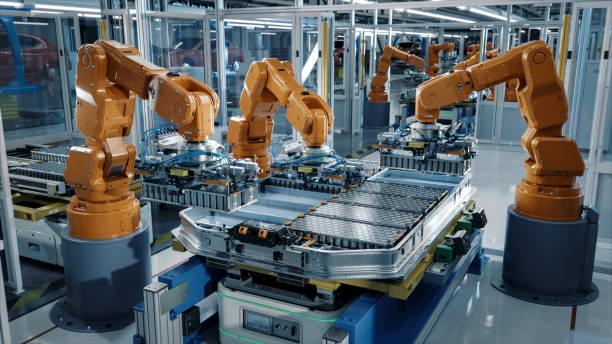
Battery manufacturing is becoming a strategic industrial priority as India looks to reduce import dependence and build local value chains. Cell manufacturing, pack assembly, battery management systems, recycling, and raw material processing are all becoming important parts of the domestic ecosystem. The Make in India initiative supports broader manufacturing development, which aligns with efforts to build local battery production capacity.
Western India held around 34% share in 2026, according to the MarkNtel report. This reflects the industrial strength of Gujarat and Maharashtra, where automotive production, electronics, renewable energy, ports, and manufacturing clusters support battery demand. Regional investment in gigafactories and EV supply chains is expected to strengthen this position over time.
Safety, Standards, and Recycling Matter
As battery deployment increases, safety and lifecycle management are becoming more important. Batteries require careful design, testing, thermal management, charging control, and end-of-life handling. Poor-quality cells, unsafe charging, or weak battery management systems can create risks related to overheating, fire, performance loss, and premature failure.
The Bureau of Indian Standards supports standardization across product quality and safety in India, while the Central Pollution Control Board provides environmental governance context relevant to waste management and recycling. Battery recycling will become increasingly important as lithium-ion deployment grows, especially for recovering valuable materials and reducing environmental pressure from discarded batteries.
Outlook for India’s Battery Ecosystem
India’s battery demand will likely remain linked with EV adoption, renewable energy storage, consumer electronics, telecom backup, and industrial energy systems. However, long-term progress will depend on local manufacturing capacity, raw material access, recycling infrastructure, safety compliance, and technology development.
Batteries are becoming a foundation for India’s electrified future. Their role extends beyond energy storage to include transport transformation, renewable integration, grid resilience, and industrial modernization. As demand grows, the sector’s direction will be shaped by technology quality, policy support, manufacturing scale, and responsible lifecycle management.