How Military Discipline Creates Exceptional Leaders in Any Profession
Most leadership programs teach strategy, communication, and emotional intelligence. These matter. But they miss the foundational layer that separates competent managers from truly exceptional leaders: discipline.
Military service has long been one of the most reliable crucibles for developing leaders who perform under pressure, inspire unwavering trust, and make sound decisions when the margin for error is zero. These are not skills unique to the battlefield. They transfer directly to boardrooms, hospitals, classrooms, and every profession that demands consistent, accountable leadership.
Understanding what the military actually teaches, and why it works, gives any professional a blueprint worth studying.
What Military Discipline Actually Means
There is a common misconception that military discipline is about blind obedience or rigid rule-following. In practice, it is far more useful: the habit of doing what needs to be done to the right standard, regardless of how you feel in the moment.
This is the cornerstone of Robert H. Bob Hicks' philosophy, developed through decades of real-world leadership experience. True discipline is not imposed from the outside. It is cultivated from within, through repeated choices that reinforce accountability, integrity, and mission focus.
That internal discipline is what makes military-trained leaders stand out in civilian careers. They have been conditioned to operate without the luxury of excuses.
Core Leadership Qualities the Military Builds
1. Accountability Without Negotiation
In a military environment, accountability is non-negotiable. When something goes wrong, the leader owns it. There is no blame-shifting, no committee to hide behind, and no ambiguity about who is responsible. This standard, practised over the years, becomes a default mindset.
In professional settings, this quality is rare and enormously valuable. Teams trust leaders who own outcomes. Organisations grow faster when the culture at the top reflects honest accountability rather than political self-protection.
2. Composure Under Pressure
High-stakes decisions made under stress are a daily reality in military service. Over time, this builds a physiological and psychological response pattern that keeps leaders calm, clear, and rational when others are reactive. It also builds the confidence to act decisively with incomplete information, a skill that is directly applicable in business, medicine, law enforcement, and beyond.
3. Mission-First Thinking
Military leaders are trained to subordinate personal preferences to the mission. This does not mean ignoring individual needs. It means developing the discipline to prioritise what matters most, even when distractions are loud and personal discomfort is high. In any professional context, this translates into leaders who stay focused on outcomes rather than politics and who build teams aligned around shared goals rather than individual agendas.
4. Standards and Consistency
The military operates on standards because inconsistency costs lives. While civilian consequences are usually less immediate, the principle holds. Leaders who operate consistently, who say what they mean, follow through on commitments, and hold the same standards for themselves that they hold for others, earn a level of credibility that no title can manufacture.
Why These Traits Translate Across Professions
Leadership is not industry-specific. A leader who can build trust, maintain composure, and hold people accountable will perform at a high level whether they are managing a trauma unit, leading a tech startup, coaching a sports team, or running a government agency.
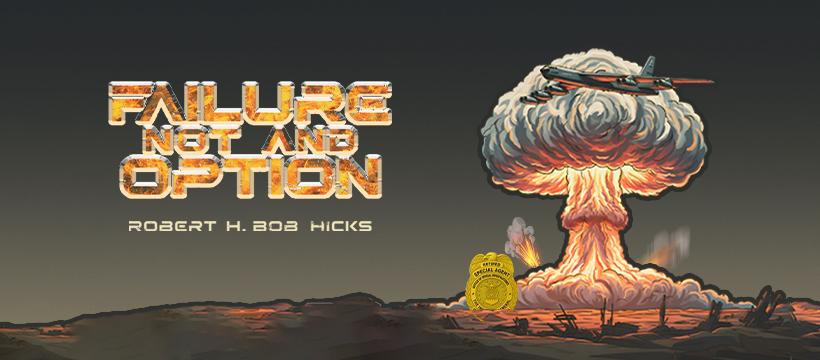
The principles explored in Failure Not An Option speak directly to this universality. The book draws on hard-won military experience to articulate a leadership framework built on resilience, responsibility, and the refusal to accept mediocrity as a substitute for excellence. These are not abstract concepts. They are practical disciplines forged under real pressure.
Applying Military Discipline in Civilian Leadership Roles
You do not need to have served to adopt the mindset. What you do need is a genuine commitment to raising your own standards before you raise anyone else's.
Start with these principles:
· Hold yourself to the standard first. Leaders who demand what they do not demonstrate lose credibility fast. Discipline begins with personal conduct.
- Define the mission clearly. Ambiguity is the enemy of execution. Know what you are working toward and make sure your team knows too.
- Debrief honestly. The military uses after-action reviews to extract lessons from every operation, whether successful or not. Building this habit into your professional practice accelerates growth.
- Normalise accountability. Create a culture where owning mistakes is respected, not punished. This is how trust is built and how organisations improve.
The Long-Term Impact on Leadership Quality
What the military produces over time is not just a skilled leader. It produces a leader of character. The combination of discipline, resilience, and mission clarity creates professionals who remain effective when circumstances get hard and whose teams are willing to follow them because the trust has been earned through consistent action.
This is the standard worth aiming for, regardless of your profession or background.
Final Thought
Exceptional leadership is rarely accidental. It is the result of deliberate habits practised over time, under pressure, with a commitment to something larger than personal comfort. Military discipline provides one of the clearest models for developing those habits, and its lessons are available to anyone willing to do the work.
This article draws on the leadership philosophy of Robert H. Bob Hicks, a seasoned leader whose work bridges military experience and professional excellence.