Southeast Asia Water and Wastewater Pump Demand and Urban Expansion
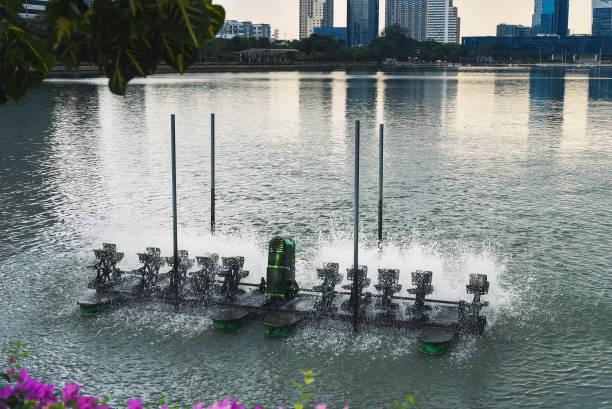
Southeast Asia’s water and wastewater infrastructure is expanding as rapid urbanization, industrial activity, sanitation upgrades, and climate-related flooding place pressure on existing utility networks. Pumps are essential across raw water intake, water distribution, wastewater transfer, sewage lift stations, treatment plants, stormwater drainage, and industrial effluent handling. As regional cities grow, reliable pumping systems are becoming central to service continuity and infrastructure resilience.
According to MarkNtel Advisors, the Southeast Asia Water and Wastewater Pump Market was valued at around USD 318 million in 2025 and is projected to grow from USD 332 million in 2026 to USD 493 million by 2032, registering a CAGR of 6.8% during 2026–2032. The USD 493 million forecast reflects municipal expansion, wastewater treatment investment, industrial water demand, and growing adoption of efficient pump technologies.
Urbanization Is Increasing Network Pressure
Southeast Asia’s cities are growing quickly, increasing demand for drinking water supply, sewerage systems, and wastewater treatment capacity. Dense urban areas require pumps for pressure boosting, sewage lifting, drainage, and treatment plant operations. In flood-prone cities, stormwater pumps are also critical for reducing waterlogging and supporting urban mobility during heavy rainfall.
Water infrastructure is closely linked with wider development outcomes. The World Bank’s water resources work highlights how water systems influence public health, food security, economic productivity, and climate resilience. In Southeast Asia, this makes pumping infrastructure relevant not only for utilities but also for housing, industrial zones, tourism hubs, and agriculture.
Municipal Systems Remain the Core Demand Base
Municipal water and wastewater systems form the largest application base for pumps across the region. These systems include potable water networks, wastewater treatment plants, sewer pumping stations, drainage systems, and sludge handling facilities. Public utilities need equipment that can manage high operating hours, variable flows, solids, and challenging site conditions.
Safe drinking water and sanitation remain public health priorities. The WHO drinking water guidance emphasizes reliable supply, contamination control, and safe water management. This context supports continued investment in pumps used for water transfer, wastewater conveyance, treatment processes, sludge movement, and pressure management across urban and peri-urban communities.
Centrifugal Pumps Lead Equipment Adoption
Centrifugal pumps led the Southeast Asia water and wastewater pump category in 2025. Their position is supported by high flow capability, simple design, operational reliability, and suitability for municipal, industrial, and drainage applications. These pumps are widely used in treatment plants, distribution systems, sewage pumping stations, and stormwater infrastructure.
Energy performance is becoming a stronger factor in procurement decisions. The International Energy Agency’s energy efficiency resources show how efficient equipment can reduce energy demand and operating costs. For Southeast Asian utilities, efficient motors, variable frequency drives, improved hydraulics, and better pump sizing can help reduce electricity use while improving reliability.
Wastewater Treatment Investment Is Expanding
Many Southeast Asian countries are increasing wastewater treatment investment to address pollution, protect waterways, and improve sanitation coverage. Pumps are required at multiple stages, including influent lifting, aeration support, sludge transfer, effluent discharge, and recycled water distribution. As treatment capacity expands, demand rises for pumps that can handle solids, corrosive fluids, and variable flow conditions.
Wastewater management is also connected with sustainability goals. UN-Water’s wastewater resources explain how wastewater treatment supports water quality, public health, and resource recovery. In Southeast Asia, better wastewater infrastructure can support cleaner rivers, safer urban environments, and more resilient industrial corridors.
Industrial Growth Adds Momentum
Industrial water and wastewater demand is also contributing to pump adoption. Manufacturing, food processing, chemicals, electronics, mining, oil and gas, and power generation require pumps for process water, cooling, effluent transfer, and treatment systems. These applications often need durable equipment capable of handling continuous operation, suspended solids, and corrosive liquids.
The Asian Development Bank’s water sector work is relevant to regional infrastructure financing, water security, and urban service improvement. As public and private investment expands, pump suppliers are likely to see rising demand for application-specific systems that combine durability, serviceability, and energy efficiency.
Outlook for Southeast Asia’s Pumping Landscape
Southeast Asia’s water and wastewater pump demand is expected to grow steadily, supported by urbanization, industrial development, municipal upgrades, sanitation projects, and flood-control needs. The sector’s next phase will likely favor pumps that are efficient, corrosion-resistant, digitally monitored, and suitable for decentralized as well as large-scale infrastructure.
The UNEP work on water pollution reinforces the need to reduce contamination and strengthen water governance. As Southeast Asia modernizes water networks, pumps will remain essential for moving, treating, draining, and protecting water across municipal, industrial, and climate-resilient systems.