


Potholes in India: Legal Liability, Public Safety, and the Growing Need for Accountability
Introduction
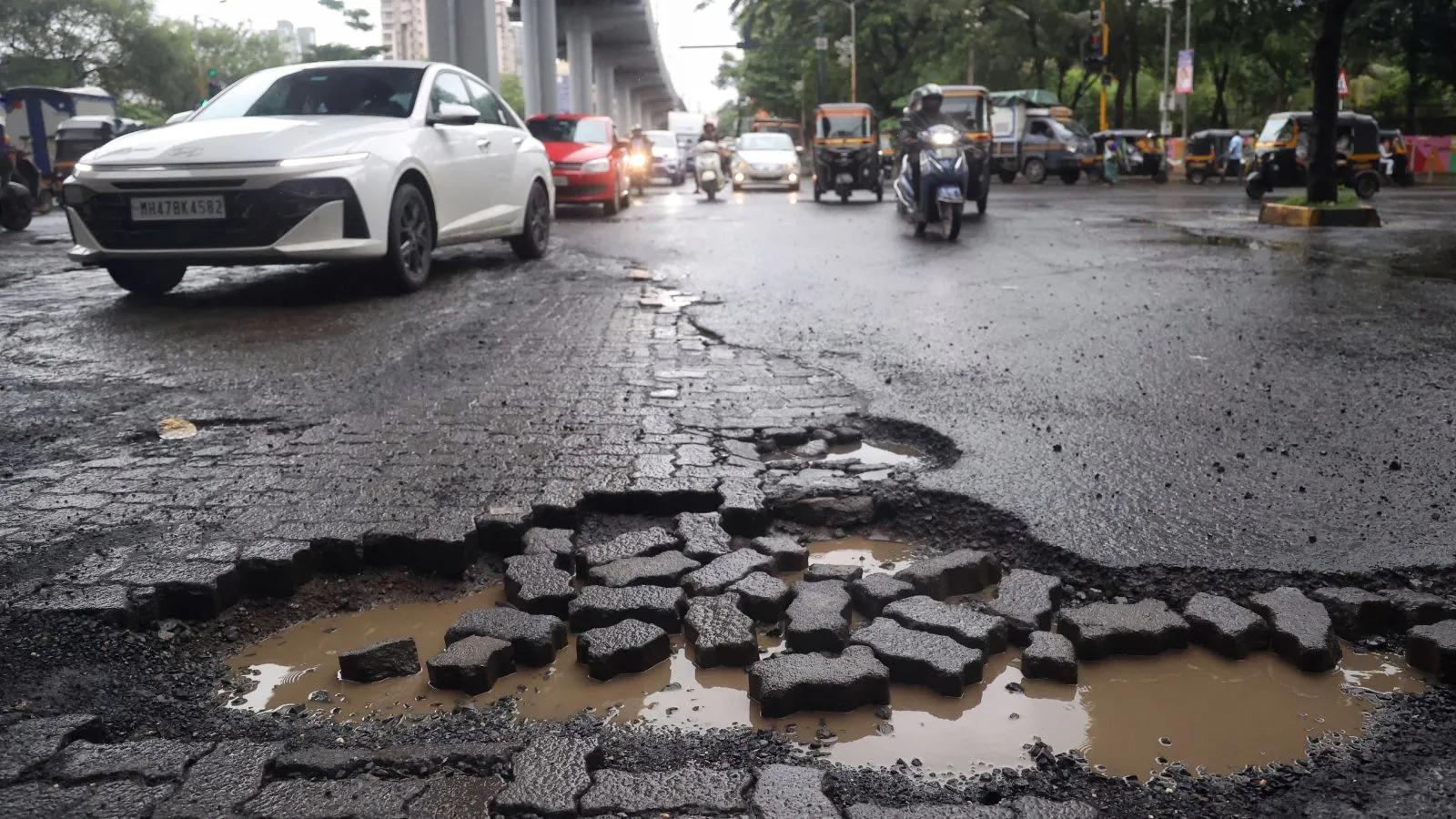
Road infrastructure plays a critical role in economic development, public mobility, and overall quality of life. However, despite substantial investments in highways, urban roads, and transportation networks, one persistent problem continues to affect millions of commuters across the country: potholes. From congested metropolitan cities to smaller towns and rural regions, potholes remain a major safety hazard that contributes to accidents, injuries, vehicle damage, and, in many cases, loss of life.
The issue of potholes in India has increasingly attracted public attention, media scrutiny, and judicial intervention. Citizens are no longer viewing potholes as a routine inconvenience. Instead, they are raising serious concerns about government accountability, public safety obligations, and the legal consequences of poor road maintenance.
As road accidents linked to potholes continue to rise, courts across India have been called upon to examine the responsibility of municipal authorities, state agencies, and contractors. This has led to several significant legal developments, including landmark judgments and compensation awards in various pothole case matters.
This article examines the growing problem of potholes in India, their impact on public safety, the legal framework governing road maintenance, and the evolving judicial approach toward accountability.
Understanding the Scale of the Problem
Potholes are depressions or cavities that form on road surfaces due to water infiltration, poor construction practices, inadequate drainage systems, heavy traffic loads, and delayed maintenance. While potholes may initially appear small, they can rapidly expand and create dangerous conditions for motorists, cyclists, pedestrians, and public transport vehicles.
The problem becomes particularly severe during the monsoon season. Rainwater weakens road surfaces, exposes construction defects, and accelerates deterioration. In many cities, roads that were repaired shortly before the rainy season begin to develop potholes within weeks.
The persistence of potholes raises important questions about infrastructure quality, project supervision, contractor performance, and governance standards. Citizens often find themselves paying taxes for road development while simultaneously bearing the costs of vehicle repairs, medical treatment, and safety risks caused by defective roads.
The issue is no longer limited to inconvenience. It has become a public safety and legal concern that affects millions of road users every day.
Impact of Potholes on Road Safety
The consequences of potholes extend far beyond vehicle discomfort. They can create sudden hazards that force drivers to make abrupt maneuvers, lose control of their vehicles, or collide with other road users.
Motorcyclists and cyclists are particularly vulnerable. Even a relatively small pothole can cause a two-wheeler to skid or overturn, resulting in severe injuries. During nighttime or periods of poor visibility, potholes become even more dangerous because road users may not detect them until it is too late.
In addition to accidents, potholes contribute to:
-
Tire damage
-
Wheel alignment issues
-
Suspension failure
-
Increased vehicle maintenance costs
-
Traffic congestion
-
Reduced road efficiency
-
Higher fuel consumption
The economic burden of poor road maintenance is significant. Businesses experience delays in transportation, logistics costs increase, and productivity is affected due to traffic disruptions and accident-related delays.
For many families, however, the most devastating consequence is the loss of loved ones in preventable accidents caused by neglected roads.
Why Do Potholes Continue to Exist?
Several factors contribute to the recurring problem of potholes in India.
Poor Construction Standards
In many instances, roads are constructed using substandard materials or without adequate quality control measures. Deficiencies during construction may not be immediately visible but become evident after exposure to traffic and weather conditions.
Inadequate Drainage Systems
Water is one of the primary causes of road deterioration. When drainage infrastructure is poorly designed or improperly maintained, water accumulates beneath road surfaces and weakens the pavement structure.
Delayed Maintenance
Even well-constructed roads require regular inspection and timely maintenance. Unfortunately, repairs are often delayed until the damage becomes severe, increasing both repair costs and safety risks.
Heavy Traffic Loads
Rapid urbanization and increasing vehicle ownership have placed enormous pressure on road networks. Roads originally designed for lighter traffic volumes frequently struggle to withstand current usage levels.
Weak Accountability Mechanisms
One of the most significant challenges is the lack of effective accountability. Multiple agencies may share responsibility for road construction, maintenance, and supervision, making it difficult to identify who should be held responsible when failures occur.
Legal Responsibility for Road Maintenance
Road maintenance is not merely an administrative function. It is closely connected to public safety obligations and constitutional principles.
Government authorities, municipal corporations, public works departments, and other agencies entrusted with road management have a duty to maintain roads in a reasonably safe condition. Failure to fulfill this duty can result in legal consequences.
Indian courts have increasingly recognized that citizens have a legitimate expectation that public roads will be maintained properly. When authorities neglect their responsibilities, affected individuals may seek legal remedies through civil claims, constitutional petitions, or public interest litigation.
The legal principle underlying many judicial decisions is straightforward: if a public authority is responsible for maintaining infrastructure and fails to perform that responsibility adequately, it may be held accountable for resulting harm.
Judicial Approach to a Pothole Case
Over the years, courts have dealt with numerous instances where accidents, injuries, or deaths were allegedly caused by potholes.
In a typical pothole case, the court examines several factors, including:
-
Whether the pothole existed for a significant period
-
Whether authorities had actual or constructive knowledge of the defect
-
Whether reasonable maintenance measures were undertaken
-
Whether warning signs or safety precautions were provided
-
Whether the pothole directly contributed to the accident
Courts have repeatedly emphasized that public authorities cannot escape responsibility simply by claiming resource constraints or administrative difficulties. Road safety is a core public function, and negligence in maintenance may attract liability.
Several judgments have awarded compensation to victims and their families where authorities failed to take reasonable steps to address known road hazards.
These decisions reflect a broader judicial trend toward strengthening public accountability and protecting the rights of citizens.
Public Interest Litigation and Road Safety
Public Interest Litigation (PIL) has emerged as an important mechanism for addressing systemic road maintenance failures.
Concerned citizens, social organizations, and public-spirited individuals have approached courts seeking directions for:
-
Identification of dangerous roads
-
Timely pothole repairs
-
Establishment of monitoring systems
-
Improved contractor accountability
-
Better transparency in infrastructure projects
Through PILs, courts have often directed local authorities to conduct surveys, establish complaint mechanisms, and implement preventive measures.
Such interventions have highlighted the importance of proactive governance rather than reactive repairs following accidents.
Compensation Claims Arising from Road Defects
Victims injured due to dangerous road conditions may seek compensation through various legal avenues.
A successful claim generally requires demonstrating:
-
Existence of the road defect
-
Negligence or failure by responsible authorities
-
Causal connection between the defect and the injury
-
Actual loss or damage suffered
Evidence may include photographs, eyewitness statements, police reports, medical records, and expert assessments.
The growing number of compensation claims has increased pressure on authorities to improve road maintenance practices and establish stronger monitoring systems.
While compensation provides some relief to victims, courts frequently observe that prevention remains far more important than post-accident remedies.
Technology and the Fight Against Potholes
Technology is increasingly being used to address the problem of potholes in India.
Many municipal bodies have introduced mobile applications that allow citizens to report potholes directly. Geographic Information System (GIS) mapping, drone surveys, and artificial intelligence tools are also being explored to identify road defects more efficiently.
Some cities have implemented real-time monitoring systems that track repair requests and provide updates on maintenance activities.
Digital reporting mechanisms offer several advantages:
-
Faster identification of road defects
-
Improved transparency
-
Better citizen engagement
-
Enhanced record keeping
-
Increased accountability
However, technology alone cannot solve the problem. Effective implementation, timely response, and institutional commitment remain essential.
The Need for Contractor Accountability
A significant portion of road construction and maintenance work is carried out by private contractors.
When roads deteriorate shortly after construction, questions naturally arise regarding workmanship, material quality, and compliance with contractual specifications.
Many experts advocate stronger accountability measures, including:
-
Performance-based contracts
-
Independent quality audits
-
Defect liability periods
-
Financial penalties for substandard work
-
Public disclosure of contractor performance records
Such measures can help ensure that contractors prioritize quality and durability rather than short-term cost savings.
Improved contractor accountability would also reduce the likelihood of future litigation arising from infrastructure failures.
Building Safer Roads for the Future
Addressing potholes requires a comprehensive and long-term strategy rather than temporary repairs.
Key priorities include:
Better Infrastructure Planning
Roads should be designed with future traffic volumes, environmental conditions, and maintenance requirements in mind.
Regular Inspections
Routine inspections can identify defects before they become major hazards.
Improved Funding Allocation
Maintenance budgets must receive the same level of attention as new construction projects.
Citizen Participation
Public reporting systems can help authorities identify problems more quickly and allocate resources efficiently.
Stronger Enforcement
Authorities and contractors must face meaningful consequences for negligence, poor workmanship, or failure to comply with maintenance obligations.
By focusing on prevention rather than crisis management, governments can significantly reduce the social and economic costs associated with deteriorating roads.
Conclusion
The issue of potholes in India is far more than an infrastructure challenge. It is a matter of public safety, governance, legal accountability, and citizen rights. Every year, thousands of individuals face injuries, financial losses, and tragic consequences due to road defects that could often have been prevented through timely maintenance and responsible administration.
Judicial decisions in various pothole case matters demonstrate a growing recognition that public authorities must be held accountable when negligence leads to harm. Courts have increasingly emphasized that safe roads are not a privilege but an essential public service that citizens are entitled to expect.
While technology, policy reforms, and improved monitoring systems can contribute to better outcomes, meaningful progress ultimately depends on consistent implementation and a culture of accountability. Ensuring safe and well-maintained roads is not merely an engineering objective. It is a public responsibility that directly affects lives, livelihoods, and public confidence in governance.
As India continues to expand and modernize its infrastructure, addressing the pothole problem must remain a priority. Safer roads, stronger accountability, and better maintenance practices are essential not only for economic development but also for protecting the lives of millions of road users across the country.