


Commercial General Liability Insurance Guide for Builders
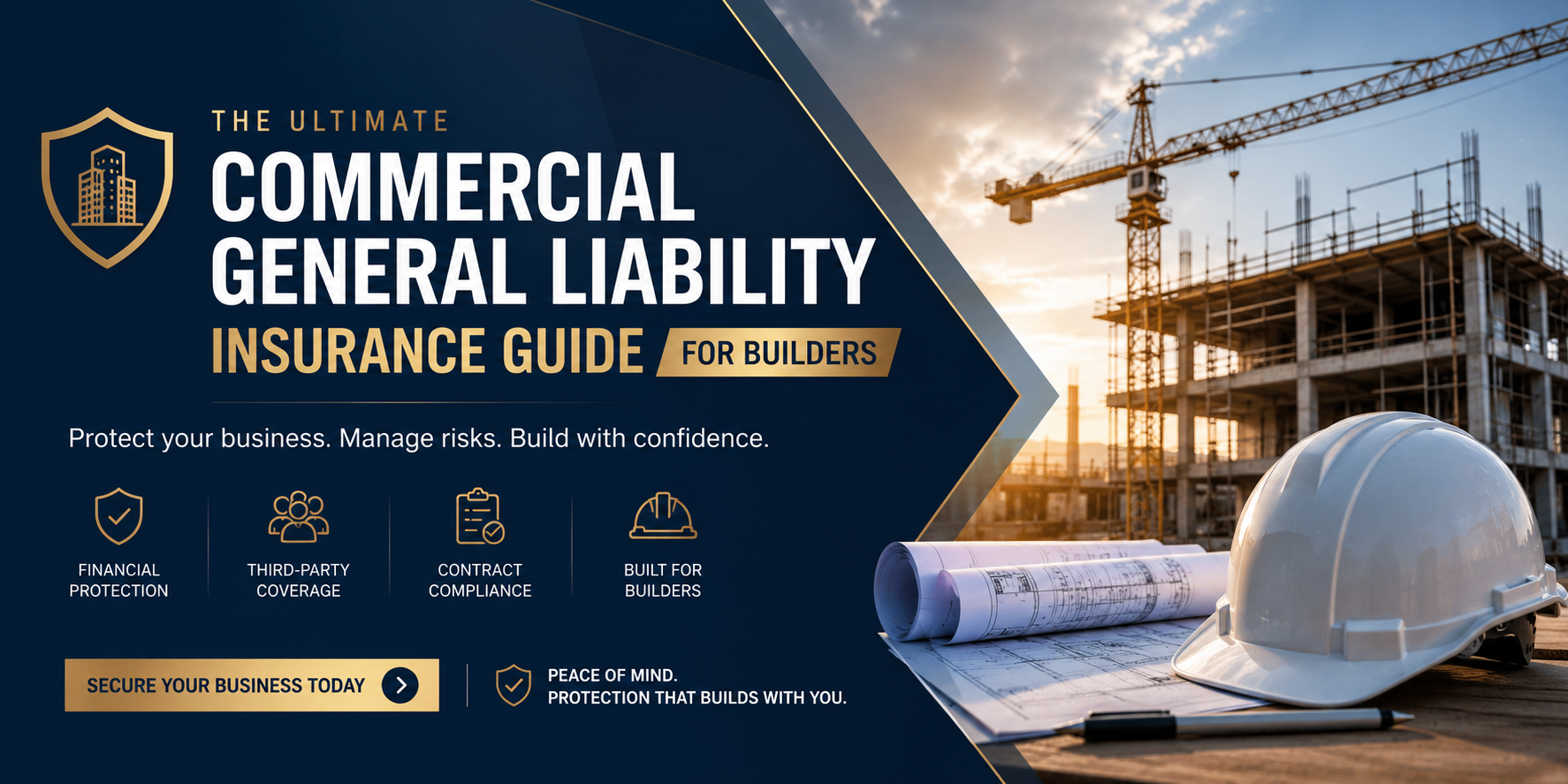
Running a construction business comes with opportunities, but it also comes with risks. A single accident, property damage claim, or unexpected lawsuit can create financial stress that affects your entire project. Whether you work on residential homes, commercial buildings, or renovation projects, having the right insurance coverage helps protect both your business and your reputation.
Many contractors believe that one policy covers every possible situation. Unfortunately, that's not the case. Understanding how commercial general liability insurance, builders risk insurance, and insurance for contractors work together can help you avoid expensive mistakes before they happen.
Why Construction Businesses Face Higher Risks
Construction sites are constantly changing environments. Workers, subcontractors, clients, heavy equipment, and valuable materials are often present in the same location. Because of this, even a small incident can lead to significant financial losses.
Some common risks include:
- A visitor slips and gets injured at the job site.
- Construction materials are stolen before installation.
- A neighboring property is accidentally damaged.
- A client files a lawsuit after an accident.
- Weather damages a building that is still under construction.
Without proper insurance coverage, these situations may result in large out-of-pocket expenses.
What Is Commercial General Liability Insurance?
Commercial general liability insurance is one of the most important policies for construction professionals. It provides financial protection when your business is responsible for third-party injuries, property damage, or legal expenses resulting from covered claims.
This coverage is often considered the foundation of a contractor's insurance plan because many clients and project owners require proof of insurance before awarding contracts.
Typical coverage may include:
- Third-party bodily injury claims
- Property damage caused by your work
- Legal defense costs
- Personal and advertising injury claims
- Medical payments for certain accidents
Having this policy demonstrates professionalism and helps reduce financial uncertainty during daily operations.
How Builders Risk Insurance Protects Your Project
While liability insurance protects your business from claims made by others, builders risk insurance focuses on protecting the construction project itself.
This policy is designed for buildings that are under construction or major renovation. It helps cover financial losses if the project suffers damage before completion.
Builders risk insurance commonly protects:
- Building materials
- Temporary structures
- Construction supplies
- Fixtures waiting for installation
- Partially completed buildings
Covered events often include:
- Fire
- Windstorms
- Theft
- Vandalism
- Certain weather-related events
Without this coverage, replacing damaged materials or rebuilding unfinished work can become extremely expensive.
Why Insurance for Contractors Should Include Multiple Policies
Many contractors assume one insurance policy is enough. However, different risks require different types of protection.
A complete insurance plan often combines several coverages that work together to reduce financial exposure.
These may include:
- Commercial general liability insurance
- Builders risk insurance
- Commercial property insurance
- Workers' compensation insurance
- Commercial auto insurance
- Tools and equipment coverage
- Professional liability insurance when applicable
Choosing the right combination depends on your business size, project types, equipment, and contractual requirements.
Common Situations Where Insurance Helps
Imagine your crew accidentally damages a customer's fence while moving heavy equipment. Commercial general liability insurance may help pay for repairs and legal expenses if a claim is filed.
Now consider another situation where a severe storm damages framing materials before the building is completed. Builders risk insurance may help cover the cost of replacing those materials, allowing construction to continue without a major financial setback.
These examples show why relying on only one type of coverage may leave important gaps.
What Factors Affect Insurance Costs?
Insurance premiums vary from one contractor to another. Providers evaluate several factors before determining pricing.
Some of the most common factors include:
- Type of construction work
- Annual business revenue
- Number of employees
- Claims history
- Project size
- Business location
- Coverage limits selected
- Deductible amount
Businesses that follow strong safety practices and maintain a clean claims history may qualify for more competitive rates.
Mistakes Contractors Should Avoid
Many coverage problems occur because business owners misunderstand their policies.
Common mistakes include:
Choosing Coverage Based Only on Price
Lower premiums may seem attractive, but reduced coverage limits could leave your business exposed after a serious claim.
Ignoring Project Requirements
Many construction contracts specify minimum insurance limits. Failing to meet these requirements can delay projects or cost valuable business opportunities.
Forgetting Equipment Protection
Construction equipment represents a significant investment. Separate equipment coverage may be necessary depending on where and how your tools are stored.
Not Updating Your Policy
As your business grows, your insurance needs may change. Expanding services, hiring employees, or purchasing new equipment should prompt a policy review.
Tips for Choosing the Right Coverage
Before purchasing insurance, take time to evaluate your business risks carefully.
Consider the following:
- Review all client contract requirements.
- Estimate the value of materials used on each project.
- Understand your potential liability exposure.
- Compare coverage options rather than price alone.
- Ask about policy exclusions before making a decision.
- Review your insurance annually as your business grows.
A proactive approach helps reduce unexpected coverage gaps.
The Value of Long-Term Protection
Insurance is more than a business requirement. It provides confidence when bidding on projects, signing contracts, and managing construction sites.
Clients often prefer working with contractors who carry proper insurance because it demonstrates responsibility and financial preparedness. At the same time, insurance helps business owners focus on completing projects instead of worrying about unexpected financial setbacks.
As construction projects become larger and more complex, having appropriate protection becomes even more important.
Final Thoughts
Construction businesses encounter risks every day, but the right insurance strategy can make those risks more manageable. Commercial general liability insurance helps protect against third-party claims, while builders risk insurance safeguards projects during construction. Together with other forms of insurance for contractors, these policies create a stronger financial safety net for your business.
Reviewing your coverage regularly and selecting policies that match your current operations can help reduce costly surprises, strengthen client confidence, and support long-term business success. By understanding your risks before problems occur, you place your construction business in a stronger position for future growth.