


Strength Training for Testosterone Benefits and Best Practices
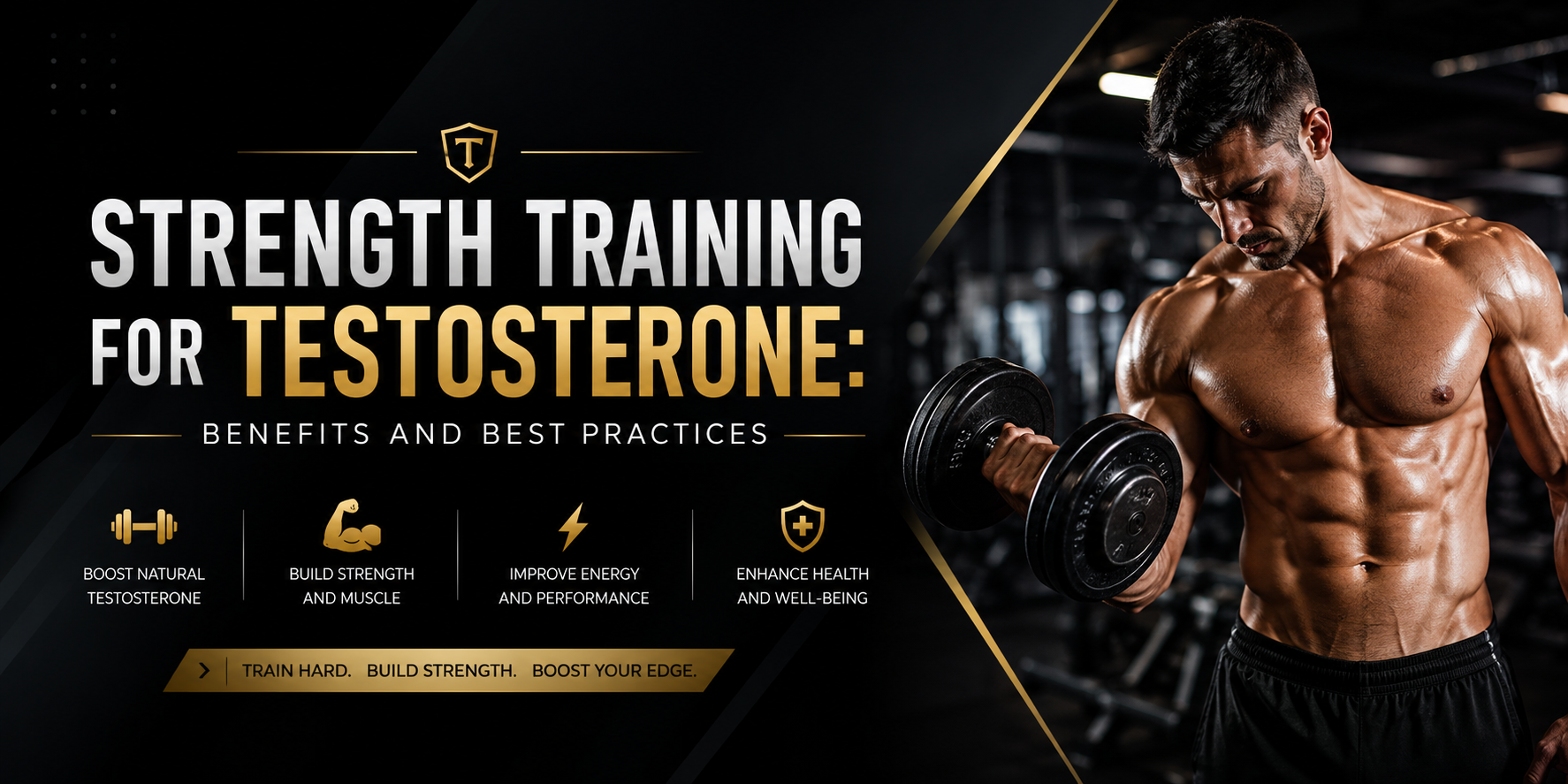
Many people focus on diet and supplements when trying to improve hormone health, but exercise plays an equally important role. One of the most effective forms of physical activity for supporting healthy hormone function is strength training. When performed consistently and combined with proper recovery, resistance exercises can help promote natural testosterone production while improving overall physical and mental well-being.
Low testosterone levels may contribute to reduced energy, muscle loss, poor exercise performance, mood changes, and decreased motivation. Although medical treatment may be necessary for some individuals, lifestyle improvements often serve as the first step toward better hormonal balance. Understanding how strength training for testosterone works can help people make informed choices that support long-term health.
This guide explains the relationship between resistance exercise and testosterone, common mistakes to avoid, and when professional guidance from a mental health clinic or healthcare provider may be beneficial if emotional well-being is also affected.
Why Testosterone Matters
Testosterone is an important hormone that supports many functions in the body. While it is commonly associated with men, women also produce testosterone in smaller amounts. Healthy testosterone levels contribute to:
- Muscle development
- Bone strength
- Physical endurance
- Healthy metabolism
- Energy levels
- Cognitive function
- Mood regulation
- Sexual health
Hormone levels naturally change with age, but lifestyle factors such as poor nutrition, stress, lack of sleep, and inactivity can also influence testosterone production.
How Strength Training Supports Testosterone
Resistance training places controlled stress on muscles, encouraging the body to adapt and grow stronger. During this process, several hormones become more active, including testosterone.
Benefits of regular strength training include:
Increased Muscle Mass
Lifting weights stimulates muscle protein synthesis, helping preserve and build lean muscle. More muscle tissue supports improved metabolic health and overall physical performance.
Better Hormonal Response
Compound exercises involving multiple muscle groups often create a stronger hormonal response compared to isolated movements. While workout-related testosterone increases may be temporary, consistent training supports overall hormonal health over time.
Reduced Body Fat
Excess body fat, particularly around the abdomen, may negatively affect hormone balance. Resistance training helps burn calories and maintain lean muscle, contributing to healthier body composition.
Improved Insulin Sensitivity
Strength workouts can improve how the body processes glucose, supporting metabolic function that indirectly benefits hormone regulation.
Best Strength Training Exercises
Not all workouts have the same effect. Exercises that recruit large muscle groups generally provide the greatest benefits.
Some effective options include:
- Squats
- Deadlifts
- Bench press
- Overhead press
- Pull-ups
- Rows
- Lunges
- Romanian deadlifts
These compound exercises challenge multiple joints and muscles simultaneously, making them efficient for improving strength and supporting healthy hormone function.
Finding the Right Training Balance
More exercise is not always better. Excessive training without adequate recovery may increase stress hormones like cortisol, which can interfere with testosterone production.
For many adults, an effective weekly routine includes:
- Strength training 3 to 4 days each week
- Rest days for muscle recovery
- Progressive overload by gradually increasing resistance
- Sessions lasting approximately 45 to 60 minutes
- Proper warm-up and cool-down exercises
Listening to your body helps prevent overtraining and supports consistent progress.
Nutrition Supports Exercise Results
Exercise alone cannot optimize hormone health. Proper nutrition provides the building blocks needed for muscle repair and hormone production.
Important dietary habits include:
Eat Enough Protein
Protein supports muscle recovery after resistance training. Include lean meats, fish, eggs, dairy products, beans, and legumes.
Choose Healthy Fats
Healthy fats contribute to hormone production. Foods such as avocados, olive oil, nuts, and seeds can be valuable additions to a balanced diet.
Include Complex Carbohydrates
Whole grains, fruits, and vegetables provide energy for workouts while supporting overall metabolic health.
Stay Hydrated
Adequate hydration helps maintain exercise performance and recovery.
Sleep Is Essential for Hormone Health
Quality sleep is one of the most overlooked factors influencing testosterone levels. Much of the body's hormone regulation occurs during deep sleep.
Adults should aim for seven to nine hours of quality sleep each night by maintaining consistent sleep schedules and reducing screen time before bedtime.
The Impact of Stress on Testosterone
Long-term stress can increase cortisol production, making it more difficult for the body to maintain healthy testosterone levels. Chronic stress may also reduce exercise motivation and negatively affect recovery.
Helpful stress management strategies include:
- Daily physical activity
- Meditation
- Deep breathing exercises
- Spending time outdoors
- Mindfulness practices
- Social support
- Healthy work-life balance
When stress becomes overwhelming or contributes to anxiety, depression, or emotional exhaustion, professional support can be valuable.
When a Mental Health Clinic Can Help
Hormonal changes sometimes overlap with emotional health concerns. Fatigue, irritability, low motivation, difficulty concentrating, and mood changes may have multiple contributing factors beyond testosterone alone.
A mental health clinic can help individuals evaluate emotional symptoms while working alongside primary healthcare providers when appropriate. Mental health professionals can assess stress, anxiety, depression, sleep concerns, and lifestyle habits that may influence both psychological wellness and physical health.
Seeking professional support early may improve overall quality of life while helping identify underlying causes of persistent symptoms.
Common Mistakes That May Limit Results
Many people unknowingly reduce the effectiveness of their fitness routine by making avoidable mistakes.
These include:
- Skipping recovery days
- Poor exercise technique
- Following extremely restrictive diets
- Sleeping too little
- Performing excessive cardio without strength training
- Ignoring persistent fatigue
- Expecting immediate hormone changes
Consistency generally delivers better long-term outcomes than short periods of intense training.
Additional Lifestyle Habits That Support Testosterone
Small daily habits often produce meaningful improvements over time.
Healthy practices include:
- Maintaining a healthy body weight
- Limiting excessive alcohol consumption
- Avoiding tobacco products
- Managing chronic medical conditions
- Staying physically active throughout the day
- Following regular healthcare checkups
- Eating a nutrient-rich, balanced diet
These habits work together with resistance training to support overall wellness.
Frequently Asked Questions
Does lifting weights permanently increase testosterone?
Exercise causes temporary increases in testosterone after workouts. Long-term benefits come from improved body composition, muscle development, healthy weight management, and consistent healthy habits rather than permanent hormone spikes.
Can beginners benefit from strength training?
Yes. Beginners often experience significant improvements in strength, muscle development, and overall health by following a structured resistance training program with proper guidance.
Is strength training safe for older adults?
In many cases, yes. Age-appropriate resistance training may improve muscle mass, balance, bone density, and mobility. Individuals with existing medical conditions should consult a healthcare professional before starting a new exercise program.
Conclusion
Supporting healthy hormone levels involves much more than simply lifting weights. A balanced routine that combines effective resistance training, nutritious eating, quality sleep, stress management, and proper recovery creates the strongest foundation for long-term wellness.
Strength training for testosterone offers benefits beyond hormone health by improving muscle strength, energy, confidence, metabolism, and physical function. At the same time, addressing emotional well-being is equally important. When persistent stress, anxiety, or mood changes accompany physical symptoms, seeking guidance from a mental health clinic or qualified healthcare professional can provide a more complete approach to overall health.