


IT Management Courses: The Bridge Between Technical Expertise and Business Leadership
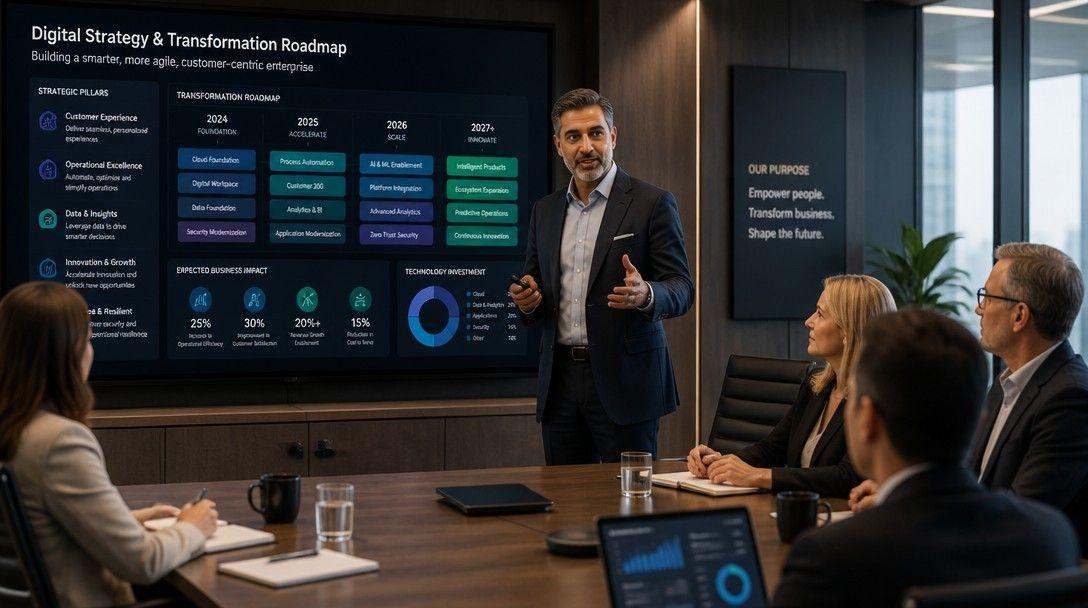
Today's organizations rely on technology more than ever before. From cloud computing and cybersecurity to artificial intelligence and digital transformation, IT plays a central role in helping businesses remain competitive and deliver exceptional customer experiences. As technology becomes increasingly integrated into every aspect of business, the role of IT managers has evolved dramatically. They are no longer responsible solely for maintaining systems or supporting users. Instead, they are expected to shape technology strategy, lead high-performing teams, manage complex projects, and ensure every IT investment contributes to business success.
For many professionals, moving into an IT management role is an exciting career milestone. However, the transition from technical specialist to manager often comes with new challenges. Managing people requires different skills than managing technology. IT managers must communicate with executives, coordinate cross-functional teams, balance budgets, oversee vendors, resolve conflicts, and make decisions that support both technical requirements and business priorities.
Technical expertise provides a strong foundation, but it is management capability that enables professionals to succeed in leadership roles. This is why IT Management Courses have become an essential part of career development for technology professionals. They provide structured learning that combines leadership, strategy, communication, and operational management, helping participants become confident and effective IT leaders.
The Evolving Role of IT Managers
Technology is now a business enabler rather than simply a support function. Organizations expect IT managers to help drive innovation, improve efficiency, strengthen security, and identify opportunities that create competitive advantages.
A successful IT manager must be able to:
- Develop technology strategies that align with business goals
- Lead and motivate technical teams
- Deliver projects on time and within budget
- Improve IT service delivery and operational performance
- Communicate effectively with executives and business stakeholders
- Manage vendors, contracts, and technology investments
- Support digital transformation initiatives while managing risk
These responsibilities require professionals to think strategically while maintaining strong leadership and communication skills.
What You'll Learn in IT Management Courses
Well-designed IT Management Courses prepare professionals for the practical challenges of managing technology departments and leading business-critical initiatives.
Strategic IT Management
Learn how to create IT strategies that support business objectives, prioritize technology investments, and build roadmaps that deliver long-term value.
Leadership and Team Development
Develop the skills to inspire employees, manage performance, coach future leaders, delegate responsibilities, and build collaborative teams capable of achieving exceptional results.
Project and Operational Management
Gain practical knowledge in project planning, service management, resource allocation, process improvement, and operational excellence to improve IT performance.
Business Communication
Strengthen your ability to communicate technical information clearly, influence decision-makers, and build productive relationships with executives, customers, and business stakeholders.
Governance and Risk Management
Understand the importance of governance, cybersecurity, compliance, and risk management in maintaining secure, efficient, and reliable technology operations.
Benefits of Professional Management Training
Leadership and management skills are valuable assets throughout an IT career. Professionals who complete IT Management Courses often experience significant improvements in both personal effectiveness and career progression.
Some of the key benefits include:
- Greater confidence in management roles
- Improved communication and leadership skills
- Stronger strategic planning capabilities
- Better project delivery and operational management
- Enhanced collaboration across departments
- Increased opportunities for promotion into senior leadership positions
Organizations also benefit from stronger management practices, improved employee engagement, and better alignment between technology initiatives and business strategy.
Who Should Take IT Management Courses?
These courses are designed for professionals who want to strengthen their leadership and management capabilities, including:
- IT Managers
- Technical Team Leaders
- Project Managers
- Infrastructure Managers
- Service Delivery Managers
- Systems Engineers
- Technology Consultants
- Professionals preparing for Director or CIO positions
Whether you're stepping into management for the first time or preparing for executive leadership, professional development provides practical skills that can immediately improve your effectiveness.
Advance Your Career with IT Leaders
The IT Management Courses from IT Leaders are designed specifically for technology professionals who want to become more effective managers and stronger business leaders. The programs combine practical leadership development, strategic planning, operational excellence, communication, and commercial awareness to help participants lead with confidence in today's rapidly changing technology environment.
To learn more about the program, visit:
https://www.itleaders.net/it-management
Conclusion
Technology continues to evolve, but organizations will always need capable managers who can connect technology with business success. Strong leadership, sound decision-making, and effective communication are what transform technical expertise into organizational value.
By investing in IT Management Courses, you'll develop the management skills needed to lead successful teams, improve IT performance, and contribute to long-term business growth. Whether your goal is to become an IT Manager, Technology Director, or Chief Information Officer, management training provides the knowledge and confidence to take the next step in your career.