


Fractures & Dislocations Symptoms and Diagnosis
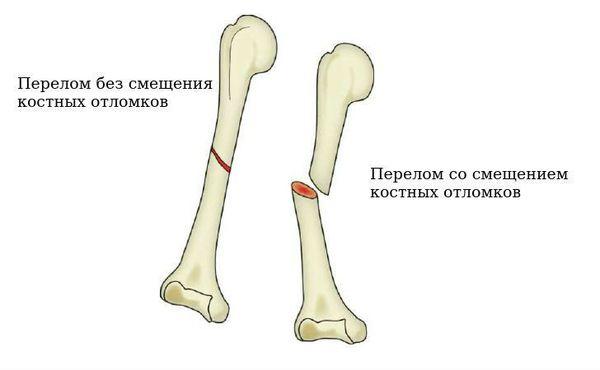
Fractures & Dislocations are serious musculoskeletal injuries that require timely medical attention. At First Care Family Clinic, patients frequently present with bone injuries caused by accidents, falls, sports trauma, or road incidents. Fractures occur when a bone breaks or cracks, while dislocations happen when a bone is forced out of its normal joint position. Both conditions can cause severe pain, limited movement, and long-term complications if not diagnosed and treated properly. Understanding symptoms and diagnosis methods is essential for early care and better recovery outcomes.
What Are Fractures & Dislocations?
Fractures refer to any break in the continuity of a bone. They can range from small hairline cracks to complete breaks where the bone separates into multiple pieces. Dislocations, on the other hand, occur when the bones in a joint are displaced from their normal alignment. Both injuries affect mobility and require immediate evaluation to prevent permanent damage.
Causes of Fractures & Dislocations
Fractures & Dislocations commonly result from physical trauma. The most frequent causes include road traffic accidents, falls from height, sports injuries, and direct impact on the body. Weak bones due to osteoporosis or nutritional deficiencies can also increase fracture risk, even from minor injuries.
High-impact sports such as football, wrestling, or basketball often lead to joint dislocations due to sudden twisting or forceful movements. Workplace accidents and slips on hard surfaces are also common contributing factors. In older youngers, reduced bone density makes fractures more likely.
Common Symptoms of Fractures
Symptoms of Fractures & Dislocations vary depending on severity and location. Fractures typically present with intense pain at the injury site, swelling, and bruising. The affected area may become tender to touch, and movement becomes difficult or impossible. In severe cases, the bone may appear deformed or protruding through the skin.
Other signs include:
- Sharp pain that worsens with movement
- Inability to bear weight on the injured limb
- Visible deformity or abnormal shape
- Cracking or grinding sensation during injury
These symptoms indicate the need for urgent medical evaluation.
Symptoms of Dislocations
Dislocations also cause significant discomfort and functional impairment. The joint may appear visibly out of place, and movement becomes extremely painful. Swelling and bruising around the joint are common. Patients often report a feeling that the joint is “locked” or unstable.
Additional symptoms include:
- Severe joint pain immediately after injury
- Loss of normal joint movement
- Visible misalignment of bones
- Numbness or tingling in nearby areas
Prompt diagnosis is important to avoid nerve or blood vessel damage.
Diagnosis of Fractures & Dislocations
Accurate diagnosis is essential for effective treatment of Fractures & Dislocations. Doctors begin with a physical examination to assess pain level, swelling, and deformity. The patient’s medical history and details of the injury are also considered.
Imaging tests play a crucial role in diagnosis. X-rays are the most commonly used method to identify fractures and joint dislocations. In complex cases, CT scans or MRI may be recommended to get a detailed view of bones, joints, and surrounding tissues. These tests help determine the severity and exact location of the injury.
At times, neurological and vascular assessments are also performed to ensure that nerves and blood flow are not affected.
Complications if Left Untreated
If Fractures & Dislocations are not treated properly, they can lead to long-term complications. Improper healing of fractures may result in bone deformity or chronic pain. Dislocations, if ignored, can cause permanent joint instability or reduced mobility.
Other complications include nerve damage, infection (especially in open fractures), and arthritis in the affected joint. Early diagnosis and proper treatment significantly reduce these risks.
First Aid and Initial Care
Immediate care after injury plays an important role in reducing damage. The injured area should be immobilized to prevent further movement. Applying ice packs can help reduce swelling and pain. It is important not to attempt repositioning a dislocated joint without medical supervision.
In suspected fractures, the limb should be supported using a splint or soft material. The patient should be transported to a medical facility as soon as possible for proper evaluation.
When to See a Doctor
Medical attention should be sought immediately if there is severe pain, visible deformity, inability to move the joint or limb, or swelling after trauma. Any suspected Fractures & Dislocations should be treated as emergencies to prevent complications.
Delaying treatment can lead to improper healing and long-term disability, especially in weight-bearing bones or major joints.
Conclusion
Fractures & Dislocations are serious injuries that require prompt diagnosis and proper medical care. At First Care Family Clinic, we focus on accurate assessment, advanced diagnostic imaging, and personalized treatment to ensure optimal recovery for patients. Recognizing symptoms early and seeking immediate medical attention can prevent complications and support faster healing. Proper care, rehabilitation, and follow-up are essential for restoring full mobility and long-term bone and joint health.
FAQs
Q1: What is the main difference between fractures and dislocations?
A fracture is a broken bone, while a dislocation is a joint that has moved out of place.
Q2: Can fractures heal without treatment?
No, proper medical treatment is required for correct bone alignment and healing.
Q3: What is the first sign of a fracture?
Severe pain, swelling, and inability to move the affected area are common signs.
Q4: How are dislocations treated?
They are treated by repositioning the joint and immobilizing it under medical supervision.
Q5: Which test is best for diagnosis?
X-rays are most commonly used, while CT or MRI may be needed for complex cases.