How Do Aerospace Fastener Suppliers Contribute to Long-Term Aircraft Reliability?
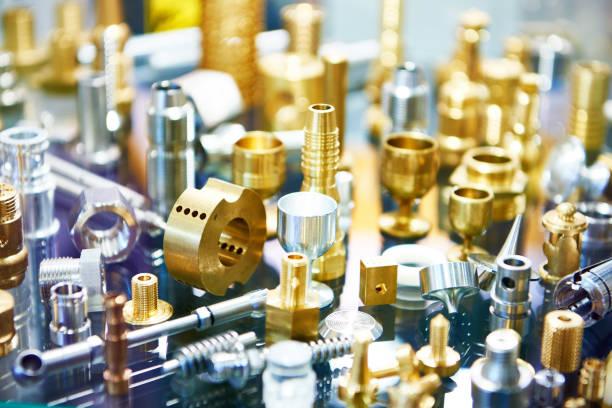
You don’t really notice fasteners when everything is working right. Nobody boards a plane thinking about bolts, screws, or tiny locking parts holding the whole thing together. But the truth is, a lot of long-term aircraft reliability quietly depends on those small components. And that’s where aerospace fastener suppliers come into the picture, even if they rarely get the spotlight. Let’s be real for a second. Aircraft are brutal environments for hardware. Pressure cycles, vibration, temperature swings that go from freezing to extreme heat in no time. If a fastener fails, everything around it feels the impact. So yeah, these suppliers aren’t just shipping metal parts. They’re basically feeding the backbone of flight safety, whether people think about it or not.
Why Fasteners Matter More Than People Think
People outside the industry underestimate fasteners all the time. They look simple. A bolt is a bolt, right? Not even close. In aerospace, every single fastener has a job that’s way more critical than it looks. Some are holding structural panels, others are locking engine components under insane stress. The thing is, reliability starts at the smallest level. If one fastener loosens or fatigues, it doesn’t stay a “small issue.” It spreads stress elsewhere. That’s why suppliers in this space have to treat every piece like it’s mission-critical because it is. No shortcuts, no “good enough” thinking. That mindset just doesn’t survive in aviation.
Material Selection and Traceability Standards
One of the biggest contributions aerospace fastener suppliers make is in material selection. Not all steel is equal, not all titanium behaves the same under pressure. Choosing the right alloy isn’t just technical; it’s almost obsessive in this field. And then there’s traceability. Every batch, every heat lot, every production run is tracked. If something goes wrong years later, engineers can trace it back to the exact source. It sounds intense, but that level of control is what keeps aircraft reliable over decades, not just years. Without it, you’re basically guessing. And nobody wants to guess in aviation.
Precision Manufacturing and Tight Tolerances
This is where things get a bit unforgiving. Aerospace fasteners are made with tolerances so tight you’d almost think it’s overkill. But it’s not. Even a tiny deviation can change load distribution or vibration resistance. Manufacturers spend a lot of time dialing in processes just to make sure every piece is identical. Not “close enough,” but identical. That consistency is what allows aircraft designers to predict performance years down the line. And honestly, that predictability is everything in aviation reliability.
Swiss Style CNC Machining and Ultra-Fine Accuracy
Now here’s where modern production really steps in. swiss style cnc machining plays a big role in producing complex fasteners with extreme precision. It’s not just about cutting metal; it’s about controlling every micron of movement during machining. This method allows manufacturers to produce long, slender, and detailed fasteners without losing stability during the process. And yeah, it sounds a bit technical, but the outcome is simple: stronger, more consistent parts that behave the same way every single time. Let’s be honest, older methods just struggle to keep up when tolerances get this tight. Swiss-style systems reduce vibration, improve surface finish, and help avoid those tiny internal stresses that later turn into big problems. It’s one of those behind-the-scenes upgrades that most people never see, but it matters a lot.
Quality Control That Doesn’t Miss Much
Quality control in this industry is kind of relentless. And it has to be. Suppliers don’t just make parts and ship them out. They test, inspect, retest, and sometimes reject batches that look perfectly fine to the naked eye. There’s ultrasonic testing, hardness checks, dimensional inspection… the whole routine. It might feel excessive, but aircraft don’t get second chances in the air. So yeah, catching a microscopic flaw on the ground is the whole game. That’s where reliability is either built or lost.
Consistency in High-Volume Production
Another underrated piece of the puzzle is scale. It’s one thing to make a perfect fastener once. It’s another thing to make ten thousand of them, all behaving the same. This is where process control becomes everything. Tool wear, machine calibration, environmental factors… they all get monitored closely. Aerospace fastener suppliers have to maintain consistency even when production ramps up. No drift allowed. Not even a little. Because aircraft assembly lines depend on that predictability, and small variations just don’t fit into that system.
Field Performance and Real-World Feedback Loops
What happens in the field eventually comes back to the supplier. That feedback loop is actually important. Aircraft get inspected after thousands of flight hours, and any wear patterns or failures get analyzed. Suppliers use that data to tweak materials, adjust machining processes, or even redesign certain fasteners. It’s not static. The industry learns slowly, but it does learn. And over time, that cycle improves reliability more than any single breakthrough ever could. It’s incremental, a bit boring maybe, but effective.
Conclusion
At the end of the day, long-term aircraft reliability isn’t built on one big thing. It’s built on hundreds of small decisions made right, over and over again. Aerospace fastener suppliers, along with processes like swiss style cnc machining, sit right in the middle of that process, even if they don’t get much attention outside engineering circles. From material control to precision machining, from strict quality checks to real-world feedback, they keep the entire system grounded in consistency. And that’s really the point. Not perfection. Just parts that do their job, every single time, for years. That’s what keeps aircraft safe in the long run.