


Energy Storage Is Becoming Essential for Reliable Clean Power Systems
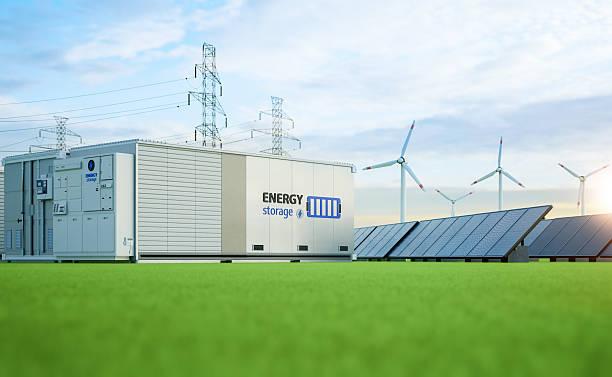
Energy storage is becoming one of the most important enablers of modern electricity systems. As countries add more solar, wind, and distributed power capacity, the need to store electricity and release it when demand rises is becoming more urgent. Storage technologies help stabilize grids, reduce renewable curtailment, support backup power, and improve energy reliability across utility, industrial, commercial, and residential applications.
According to MarkNtel Advisors, the Global Energy Storage Market size was valued at nearly USD 58.41 billion in 2024 and is predicted to reach about USD 114.01 billion by 2030, growing at a CAGR of around 14.31% during 2025–2030. This projected expansion is being supported by government efforts to build more resilient grids, rising renewable energy deployment, and increasing adoption of battery and pumped hydro storage systems.
Renewable Growth Is Increasing the Need for Flexibility
Solar and wind power are expanding quickly, but their output depends on weather and time of day. This creates a need for flexible systems that can balance supply and demand. Energy storage helps manage this variability by absorbing excess electricity during periods of high generation and supplying power when renewable output declines.
The International Energy Agency identifies grid-scale storage as an important technology for integrating higher shares of variable renewable electricity. This makes storage central to the next phase of clean energy planning, especially in regions where electricity demand is rising and grid infrastructure is under pressure.
Battery Systems Are Gaining Stronger Deployment Momentum
Battery energy storage systems are becoming more widely used because they can respond quickly, be deployed in modular formats, and support multiple grid services. Lithium-ion batteries remain prominent due to declining costs, improving performance, and wide use across electric vehicles and stationary storage applications.
Battery systems can support frequency regulation, peak load management, renewable smoothing, and backup power. They are also becoming useful for commercial and industrial users that need reliable electricity and better energy cost control. As more facilities adopt rooftop solar, electric vehicle charging, and digital infrastructure, storage is becoming part of broader energy management strategies.
Pumped Hydro Still Plays a Major Role
While batteries are receiving strong attention, pumped hydro storage remains one of the largest established forms of electricity storage worldwide. It stores energy by moving water between reservoirs at different elevations and releases power when needed. This makes it suitable for long-duration storage and large-scale grid balancing.
The U.S. Department of Energy describes pumped storage hydropower as a proven technology that can provide large-scale energy storage and grid reliability services. For many countries, pumped hydro will continue to complement battery systems, especially where suitable geography and water infrastructure are available.
Policy and Investment Are Shaping the Sector
Energy storage adoption depends heavily on supportive regulation, clear procurement models, grid service payments, safety standards, and financing structures. Without these frameworks, storage projects may face uncertainty even when the technical need is clear.
The World Bank has emphasized the role of energy storage in supporting clean energy transitions, particularly in developing economies where grid reliability and renewable integration are key priorities. Public-sector support, blended finance, and regulatory reform can help reduce project risks and encourage wider deployment.
Technology Diversity Will Define the Next Stage
The future of energy storage will not depend on one technology alone. Batteries, pumped hydro, thermal storage, compressed air systems, hydrogen-based storage, and emerging long-duration solutions may all serve different roles. The International Renewable Energy Agency notes that energy storage can support power system flexibility, renewable integration, and end-use electrification.
As power systems become cleaner and more decentralized, storage will become a practical foundation for reliability. Its role will expand from backup support to a core part of grid planning, renewable development, and industrial energy resilience.