


How Log House Restoration Restores Weathered and Faded Wood
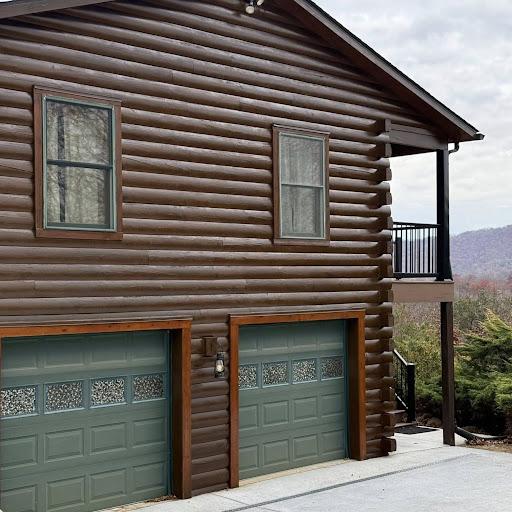
A log home can look beautiful for decades, but wood doesn't stay untouched forever. Sun, rain, snow, wind, and changing temperatures all leave their mark. At first, the changes seem minor. A little fading here. A few darker spots there. Then one day you step back and realize the wood has lost much of the rich character it once had.
That is where log house maintenance becomes important. Not because something is completely broken, but because small issues tend to grow when they are ignored. Wood is a living material in many ways. It expands, contracts, absorbs moisture, and reacts to the environment every single season. Restoration helps bring back both the appearance and protection that weathered logs gradually lose over time.
Why Wood Starts Looking Old and Worn Out
Most homeowners assume fading is only caused by sunlight. That's part of it, sure. Ultraviolet rays break down wood fibers and slowly bleach natural color from the surface. But moisture often causes even more trouble.
Rain can soak exposed logs. Humidity creates damp conditions. Snow sits against exterior walls for long periods. Over time, these conditions lead to discoloration, mildew, surface cracking, and rough textures that weren't there before. In some cases, insects and rot begin taking advantage of weakened wood.
The frustrating thing is that much of this damage happens slowly. You don't always notice it while it's developing. Then suddenly the home looks tired, gray, and neglected.
The First Step of Restoration Is Understanding the Damage
Good restoration starts with inspection. Not sanding. Not staining. Inspection.
An experienced restoration specialist will walk around the structure and identify problem areas. Some sections may only have cosmetic fading. Others might have water penetration, deep checking, or signs of decay. Every log surface tells a slightly different story.
This assessment matters because restoration is never a one-size-fits-all process. A wall exposed to direct afternoon sun usually requires different treatment than a shaded side of the house. Skipping this step often leads to temporary fixes instead of lasting results.
Removing Years of Weathering From the Surface
Once the condition of the logs is understood, surface preparation begins. This is where much of the visual transformation happens.
Weathered wood typically develops a layer of damaged fibers that sit on the outer surface. Restoration removes this layer through methods such as media blasting, sanding, or specialized cleaning systems. The goal isn't to aggressively strip the wood. It's to reveal healthier wood underneath.
Homeowners are often surprised by how dramatic the difference can be. Logs that looked permanently gray suddenly show warm tones again. Grain patterns become visible. The entire structure starts looking alive instead of worn down.
It's one of those moments where people remember why they fell in love with their log home in the first place.
Repairing Cracks and Areas of Deterioration
Restoration isn't only about appearance. It also addresses physical damage that develops over time.
As logs age, cracks known as checks naturally form. Small checks are normal. Larger openings can create pathways for moisture intrusion. Water enters, freezes, expands, and the cycle continues. Not great.
Damaged sections may require filling, sealing, or targeted repairs. In more serious situations, individual log sections may need replacement. The goal is to stop deterioration before it spreads deeper into the structure.
Sometimes homeowners hesitate because a crack doesn't seem urgent. But wood problems rarely stay the same. They usually get bigger, wetter, and more expensive.
Restoring Color and Protection With New Finishes
After repairs are completed, protective finishes are applied. This step helps restore the rich appearance people associate with healthy log homes while providing a barrier against future damage.
Modern stains and sealants are designed to protect against moisture, UV exposure, mold growth, and temperature fluctuations. They also enhance the natural beauty of the wood rather than hiding it.
Choosing the right finish matters more than many people realize. Products that perform well in one climate may not perform the same way somewhere else. That's why restoration professionals typically recommend systems based on local weather conditions and wood species.
A quality finish doesn't just make the house look better today. It helps preserve the restoration work for years to come.
How Restoration Extends the Life of a Log Home
Many homeowners view restoration as a cosmetic project. The truth is it's much bigger than that.
When weathered wood is cleaned, repaired, sealed, and protected properly, the structure gains a second layer of defense against future deterioration. Moisture stays out. UV damage slows down. Vulnerable areas receive attention before major repairs become necessary.
Think of it like routine service for a vehicle. You aren't simply making it look nice. You're protecting the investment and extending its lifespan.
Regular restoration work often costs far less than waiting until extensive structural repairs become unavoidable.
The Role of Caulking in Long-Term Protection
One area that deserves more attention than it gets is log house caulking. During restoration, gaps between logs and around joints are often inspected carefully. When these spaces open up, air and moisture can move into places they shouldn't.
Proper log house caulking helps seal those vulnerable areas while improving energy efficiency and reducing water intrusion. It may not be the most visible part of the restoration process, but it plays a major role in protecting the wood beneath the surface. A home that looks great but isn't sealed properly can still face serious problems later on.
Restoration Brings Character Back to the Wood
One thing people often notice after restoration is that their home doesn't look new. It looks better than new in a different way.
The original character remains. The grain patterns are still there. The natural texture still exists. What changes is the appearance of neglect. Years of fading, weather exposure, and surface damage are removed, allowing the wood's natural beauty to stand out again.
A well-restored log home feels cared for. It reflects the craftsmanship that went into building it and helps ensure that craftsmanship remains visible for many years ahead.
Conclusion
Weathered and faded wood doesn't mean a log home has reached the end of its life. In many cases, it simply means the home is asking for attention. Restoration removes damaged surface layers, repairs vulnerable areas, restores color, and adds protection against future wear. Combined with ongoing maintenance and proper sealing, it can dramatically improve both appearance and durability. When done correctly, log house restoration doesn't just refresh old wood—it helps preserve the entire home for the next generation.