


The Biggest Home Remodeling Mistakes to Avoid
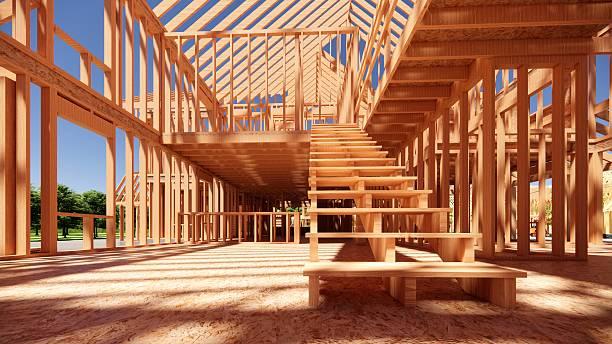
Most people walk into a renovation thinking it’s just upgrades. New tiles, fresh paint, maybe knock a wall down. Sounds simple enough. Then it isn’t. Somewhere along the way, things stretch, budgets get weird, timelines drift. That’s where reality kicks in. home remodeling has a way of exposing every weak decision you made at the start. Not trying to be dramatic, just honest. The same mistakes show up again and again, and yeah, most of them are avoidable if you catch them early.
Skipping the Planning Phase (Or Just Half-Doing It)
There’s always this urge to start fast. Like progress only counts if something’s being demolished. But if the planning is thin, the whole thing wobbles later. You need more than a rough idea. You need actual clarity—layout, materials, scope, costs. Otherwise people start guessing. Contractors included. And guesswork inside a remodel? Bad mix. Mid-project decisions are usually rushed, and rushed choices tend to stick in annoying ways. Take a bit longer upfront. It pays back, even if it feels slow at the time.
Underestimating the Budget (Because Everyone Does It)
No one plans to run over budget. Still happens. Almost every time. Prices shift, materials aren’t available, or you suddenly hate the thing you picked two weeks ago. It happens. Then there’s the hidden stuff—behind walls, under floors. Old wiring, weird plumbing fixes, things you didn’t even think about. If your numbers are tight from day one, you’ll feel that pressure fast. Leave space. Real space. Not a token buffer. Because surprises aren’t rare here, they’re kind of part of the deal.
Choosing the Wrong Contractor (This One Hurts the Most)
People still go for the lowest bid like it’s a win. Sometimes it is. A lot of times, it isn’t. A good contractor talks straight, answers questions without dodging, and shows you actual past work. Not just photos that could belong to anyone. If communication feels off early, it usually gets worse, not better. And fixing bad work later? Way more expensive than hiring right the first time. This part matters more than people want to admit.
Following Trends Instead of Real Life Needs
Trends look great online. Clean, minimal, kind of perfect. Real homes don’t behave like that. You cook, you drop things, stuff piles up. Open shelving looks nice until you actually use it. Same with layouts that ignore how you move through a space. Remodeling should match your habits, not fight them. Think about what annoys you now. Fix that. Style can come after. If you flip that order, you’ll feel it every day.
Ignoring Permits and Local Regulations
A lot of people treat permits like optional paperwork. They’re not. Skip them and you risk bigger problems later. Neighbors complain, inspectors show up, or things get messy when you try to sell. Rules exist for a reason, mostly safety. Electrical, structural changes, additions—those need to be done properly. Cutting corners here might save a bit of time upfront, but it tends to come back around. Usually at the worst possible moment.
Poor Communication During the Project
Even with a solid plan, things shift. That’s normal. But if you’re not talking regularly with your contractor, small gaps turn into bigger issues. You thought one thing, they built another. Now you’re stuck deciding whether to redo it or live with it. Neither feels great. Quick check-ins help. So does asking what might feel like obvious questions. It’s not overkill, it’s just staying involved. Silence during a remodel isn’t peaceful, it’s risky.
Forgetting About Storage and Daily Use
This one sneaks up on people. They focus on the big visual stuff and forget the everyday details. Storage, lighting, how things actually function. You don’t notice it until it’s missing. Then it’s all you notice. A good-looking kitchen that can’t hold your stuff? Frustrating, fast. Same with bathrooms or living areas that don’t flow right. Looks fade into the background. Function doesn’t. It either works, or it bugs you constantly.
Changing Plans Midway Without Slowing Down First
Changing your mind isn’t the problem. It happens. Doing it over and over, without thinking it through—that’s where things slip. Every change affects something else. Cost, timing, materials, sometimes even structure. It’s not just swapping a finish. It can ripple. If you feel unsure mid-project, pause a bit. Sleep on it. Quick decisions in the middle of construction usually come from stress, not clarity. And they tend to cost more than expected.
Not Thinking Long-Term (Especially with Flexible Spaces)
A remodel should last longer than your current situation. Life shifts, people move, needs change. That spare room might not stay a spare room. Layouts that feel perfect now can feel tight later. This really shows up when people consider something like an ADU in Santa Rosa, where the space might start as a guest unit and later turn into a rental or work area. Doesn’t mean you need to over-plan everything. Just don’t box yourself in.
Conclusion: It’s Not Complicated, But It Does Take Attention
Most of these mistakes aren’t dramatic on their own. It’s the buildup that causes trouble. A rushed plan here, a tight budget there, a missed conversation in between. Suddenly the project feels heavier than it should. If you stay a bit more patient at the start, ask better questions, and don’t cut corners where it actually matters, things go smoother. Not perfect, never really perfect, but manageable. And honestly, that’s the goal. A home that works without constant second-guessing.