


How to Compare Home Building Companies the Right Way
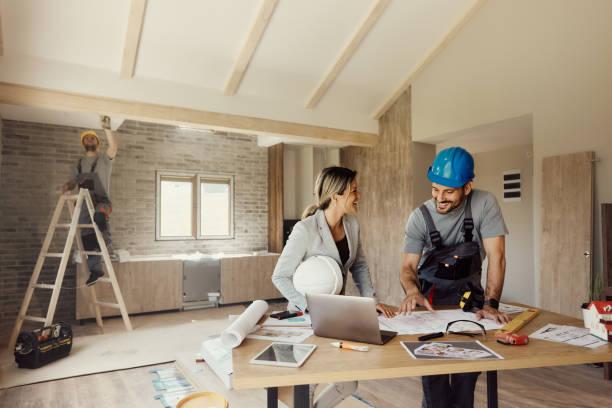
Building a home sounds exciting until you actually start talking to builders. Then it gets messy, fast. Everyone promises quality. Everyone says they’re “different.” Hard to tell who’s real and who’s just good at talking. If you’re looking at home building companies in Houston, you’ll notice pretty quickly—options aren’t the problem. Clarity is. So the trick isn’t finding more builders. It’s learning how to compare them without getting distracted by the noise.
Start With What They’ve Actually Built (Not What They Say They Can Do)
A lot of builders talk big. “Custom.” “Luxury.” “Tailored.” Fine. Show me the houses. That’s where the truth is. When you’re comparing builders, don’t just scroll photos for two minutes and move on. Slow down. Look at consistency. One great project doesn’t mean much if the next five look average. You want a builder who delivers the same level across the board. And yeah, pay attention to the small stuff—how clean the finishes look, how spaces flow. Sometimes you can spot rushed work without even stepping inside. It’s subtle, but it’s there.
Pay Attention to Communication (It Matters More Than You Think)
Here’s something people underestimate—how a builder talks to you early on is exactly how they’ll be during the project. Maybe worse. If they take days to reply now, imagine mid-construction when things are actually complicated. You don’t need constant updates, but you do need clarity. Straight answers. No dancing around questions. A good builder explains things in plain language, not jargon. And if something sounds vague, it probably is. Push a little. See how they respond. That tells you more than a brochure ever will.
Compare Pricing the Smart Way, Not the Cheap Way
Everyone wants to save money. Nothing wrong with that. But comparing quotes just by the final number? That’s where people mess up. One builder might look cheaper upfront, but dig a bit and you’ll see gaps—missing details, vague allowances, things that magically become “extra” later. Another builder might cost more but includes everything clearly. Apples to apples, not apples to oranges. If a price feels too good, it usually is. Not always, but often enough to be cautious.
Look at Their Process, Not Just the Outcome
People focus on finished homes. Makes sense. But the process getting there matters just as much. Ask how they handle changes. Delays. Mistakes. Because those things will happen. No build goes perfectly, doesn’t matter what anyone says. The difference is how the builder deals with it. Some communicate early and fix things fast. Others… drag it out, avoid responsibility, make it your problem. You want the first type. Always.
Check Real Feedback, Not Just Testimonials
Testimonials on a website? Of course they’re positive. No builder is going to highlight unhappy clients. So go deeper. Look for third-party reviews. Ask for references and actually call them. And don’t just ask “were you happy?”—that’s too easy. Ask what went wrong. Because something always does. Their answer will tell you how the builder behaves when things aren’t perfect. That’s the real test.
Understand Their Specialties and Limits
Not every builder is good at everything. Some are great at large custom homes but struggle with tighter, detail-heavy projects. Others shine in renovations or specific styles. Trying to force a builder outside their comfort zone? Risky. You’re better off choosing someone whose past work already aligns with what you want. Less friction. Fewer surprises. It just works better.
Visit a Site If You Can (Seriously, Do It)
Photos are controlled. Job sites aren’t. If a builder is open to it, visit a current project. Doesn’t need to be long. Just enough to see how things are run. Is it organized? Safe? Do the workers seem like they know what they’re doing? You can pick up a lot in 10 minutes. And if a builder avoids this request or keeps delaying it… that’s a sign too.
Don’t Ignore Gut Feeling (But Don’t Rely Only on It Either)
This one’s tricky. Gut feeling matters. If something feels off, it usually is. But don’t rely on instinct alone. Back it up with facts—contracts, timelines, past work. The best decisions come from both sides working together. Logic and instinct. Not just one.
Compare More Than One—But Don’t Overdo It
Talking to two or three builders? Good. Talking to ten? That just creates confusion. Everything starts blending together. You forget who said what. Stick to a manageable number. Enough to compare, not so many that you lose clarity.
Think Beyond New Builds—Renovation Experience Counts Too
Here’s something people overlook. Builders who have handled renovations often bring a different level of problem-solving to new builds. They’ve seen weird layouts, hidden issues, unexpected complications. That experience shows. Especially if your project includes custom spaces or detailed interiors. Even something like kitchen Remodeling in Houston can reveal how a builder deals with precision, materials, and day-to-day functionality. It’s not separate from home building—it’s part of the same skill set.
Conclusion
Comparing builders isn’t about finding the one with the nicest website or the smoothest pitch. It’s about figuring out who actually delivers, consistently, without making your life harder in the process. Take your time. Ask better questions. Look past the surface. Because once the build starts, you’re in it with them for months—sometimes longer. Choose someone who’s not just capable, but reliable when things get a little messy. Because they will. That’s just how building works.