Common Painting Mistakes That Start With the Wrong Roller Cover
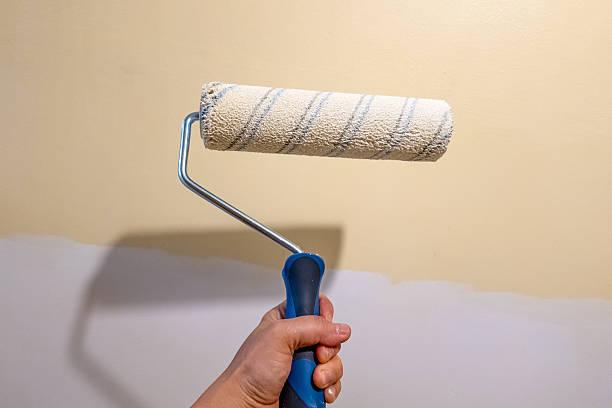
Painting looks easy from a distance. Dip, roll, done. That’s what most people think—until the wall dries and looks… off. Streaky, patchy, weird texture in spots. Nine times out of ten, the issue isn’t your paint or even your technique. It usually starts with the wrong roller cover. And yeah, people seriously underestimate how much 9 inch paint roller covers can make or break a job.
Why the Roller Cover Matters More Than You Think
A roller cover isn’t just some fluffy sleeve you slide on and forget about. It controls how much paint you pick up, how it releases onto the wall, and how smooth (or rough) the final finish looks. Use the wrong nap thickness or material and things go sideways fast. Too much paint gets dumped in one spot, or not enough sticks at all. You end up pressing harder, rolling more, making it worse. It’s a chain reaction. And by the time you notice, you’re halfway through a wall thinking, “why does this look so uneven?”
Using the Wrong Nap Length for the Surface
This one’s probably the most common mistake. People grab whatever roller cover is cheapest or closest, without checking nap length. Smooth walls? You need a shorter nap, like 1/4" or 3/8". Anything thicker just leaves texture you didn’t ask for. On the flip side, rough surfaces like brick or textured drywall need a thicker nap or you won’t even get paint into the grooves. Then you’re stuck doing multiple coats, wasting time and paint. It’s not complicated, but it gets ignored all the time.
Cheap Covers That Shed All Over the Wall
You ever see tiny fibers stuck in dried paint? That’s not dust. That’s your roller falling apart mid-job. Low-quality covers shed. Simple as that. And once those fibers stick, there’s no easy fix. You either sand and repaint or just live with it. Spending a little more on a decent roller cover saves you from that mess. Not saying you need the most expensive thing on the shelf—but the bargain bin ones? Usually regret follows.
Wrong Material for the Paint Type
Not all roller covers are built the same. Some are made for water-based paints, others for oil-based coatings, and some for heavy stuff like epoxy. If you mismatch them, the roller won’t hold paint properly. It might absorb too much or release it unevenly. Microfiber, polyester, lambswool—they all behave differently. You don’t need to memorize everything, but at least match the cover to the type of paint you’re using. Otherwise you’re fighting the tool the whole time.
Overloading or Underloading the Roller
This one’s partly technique, yeah—but the roller cover plays a role too. A thick nap cover holds more paint. Sounds good, but if you’re working on a smooth wall, it dumps too much at once. That’s how you get drips and heavy lines. A thinner cover, used right, gives you more control. On the other hand, using a thin nap on a rough surface forces you to keep dipping again and again. It slows everything down and leads to uneven coats because you get impatient. Happens a lot.
Ignoring the Size of the Roller Cover
Most people default to standard sizes and never think twice. Fair. But size affects control more than you think. Big rollers cover space fast, but they’re clumsy in tight areas. Smaller ones give precision but take longer. Using only one size for everything is a mistake. You end up either rushing detail work or wasting time on large walls. It’s about matching the tool to the area—not just grabbing what’s already on your handle.
Not Prepping the Roller Cover Before Use
This one’s small, but it matters. Dry roller covers don’t perform well right out of the package. They can leave lint or just not absorb paint evenly at first. A quick rinse (and proper drying) helps. Gets rid of loose fibers too. Skip this step and your first coat usually looks worse than the rest. People blame the paint, but it’s really just poor prep.
Using the Same Cover for Different Coats or Paints
Switching from primer to paint? Or between different finishes? You need a fresh roller cover. Reusing the same one sounds efficient, but it messes with the finish. Old paint stuck in the fibers affects how the new paint spreads. Even if you wash it, it’s not the same. For clean, consistent results, don’t cut corners here.
Forgetting About Small Areas and Detail Work
Big rollers don’t solve everything. Corners, edges, narrow trims—these need smaller tools. Trying to force a standard roller into tight spots just creates smudges and uneven lines. This is where 4 inch paint roller covers come in handy. They give you control where the larger rollers can’t. Skipping them usually leads to sloppy edges or extra brush work you didn’t plan for.
Conclusion
Painting isn’t just about color choice or brand of paint. The tools matter. A lot. And the roller cover sits right at the center of it all. Get it wrong, and you’ll spend more time fixing mistakes than actually painting. Get it right, and things go smoother—literally. No weird streaks, no patchy spots, no frustration halfway through the job. So next time you’re standing in the aisle staring at roller covers, don’t just grab the first pack you see. Slow down a second. Pick the right one. It saves you way more trouble than you think.