Agriculture is evolving faster than ever before as farmers and commercial growers adopt modern technologies to improve crop production and sustainability. Rising food demand, climate change, water scarcity, and declining soil quality are encouraging the agricultural industry to move toward innovative cultivation systems that offer higher efficiency and better environmental management. One of the most advanced farming methods transforming modern agriculture is hydroponic irrigation, a precision-based cultivation system that combines intelligent irrigation management with fertilization robotization for successful soilless farming.
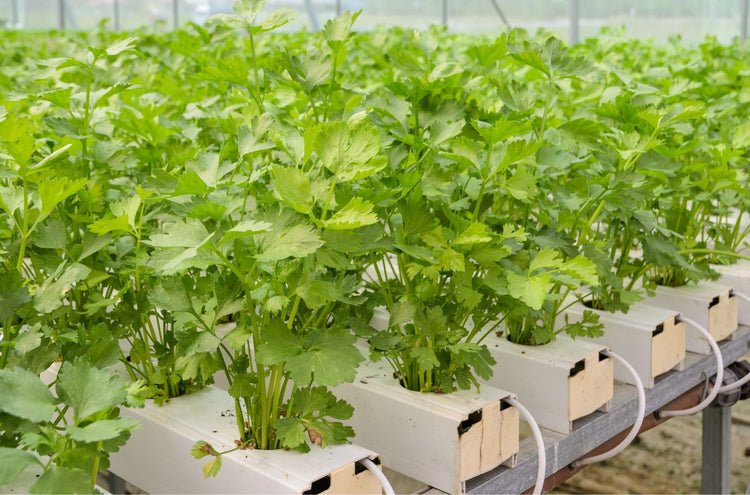
Hydroponic farming is a modern cultivation technique where plants are grown without soil using nutrient-rich water solutions. Unlike traditional agriculture, where soil naturally stores nutrients and controls moisture balance, hydroponic systems depend entirely on controlled environmental conditions. This means every important growth factor must be monitored continuously to maintain healthy plant development.
Parameters such as elemental nutrient concentration, pH balance, dissolved oxygen, humidity, and temperature play a critical role in hydroponic crop cultivation. Even small changes in these conditions can affect plant growth and reduce harvest quality. This is why automated irrigation and fertilization systems have become essential in modern hydroponic agriculture.
Evergreen Botany promotes smart hydroponic technologies that help growers achieve sustainable farming, efficient resource utilization, and high-quality crop production through advanced automation systems.
Understanding Irrigation and Fertilization Robotization
Hydroponic farming requires precise environmental control because plants rely completely on water-based nutrient solutions for their growth cycle. In the absence of soil, growers must maintain balanced nutrient levels and stable climate conditions throughout cultivation.
Irrigation and fertilization robotization refers to automated technologies designed to regulate irrigation schedules, nutrient delivery, water circulation, and environmental monitoring. These intelligent systems use sensors, automated pumps, digital controllers, and monitoring software to maintain ideal growing conditions around the clock.
Modern automation systems continuously regulate:
- Nutrient concentration levels
- Irrigation timing and water flow
- Electrical conductivity (EC)
- pH balance
- Dissolved oxygen availability
- Temperature conditions
- Humidity management
Whenever any environmental parameter fluctuates beyond the recommended range, the system automatically makes adjustments to restore stability. This helps growers reduce manual monitoring while improving crop consistency and farming efficiency.
Why Hydroponic Irrigation Is Reshaping Modern Agriculture
Traditional irrigation methods often result in uneven water distribution, nutrient runoff, and excessive water wastage. In comparison, hydroponic irrigation systems are designed to provide water and nutrients directly to plant roots with exceptional precision.
This targeted irrigation technique offers several major advantages for commercial and indoor farming operations.
Efficient Water Conservation
Hydroponic systems recycle water within a closed-loop structure, reducing water usage significantly compared to traditional farming methods. Automated irrigation technologies prevent unnecessary water loss by delivering accurate amounts of moisture according to crop requirements.
Faster Plant Development
Plants absorb nutrients directly through dissolved water solutions, improving nutrient uptake and accelerating crop growth cycles.
Improved Nutrient Distribution
Automated fertilization systems maintain balanced nutrient concentrations based on crop growth stages, ensuring consistent nutrition throughout cultivation.
Reduced Human Error
Manual nutrient mixing and irrigation scheduling can create inconsistencies that negatively affect crop quality. Automation technologies minimize these risks through continuous monitoring and real-time adjustments.
Nutrient Concentration and Crop Productivity
Balanced nutrient concentration is one of the most important factors in successful hydroponic farming. Plants require proper amounts of macro and micronutrients to support root development, vegetative growth, flowering, and fruit production.
Different crops require different nutrient ratios depending on their growth stage. Automated nutrient management systems continuously analyze nutrient solutions and make precise adjustments whenever nutrient imbalances occur.
Effective nutrient control helps growers:
- Increase crop productivity
- Improve root development
- Prevent nutrient deficiencies
- Maintain stable EC levels
- Reduce fertilizer wastage
This precision-based nutrient delivery system is one of the key reasons hydroponic farming produces healthier and higher-quality crops.
Importance of pH Balance in Soilless Farming
pH balance directly affects nutrient absorption inside hydroponic irrigation systems. If the nutrient solution becomes too acidic or too alkaline, plants may struggle to absorb essential minerals efficiently.
Advanced pH monitoring systems automatically regulate nutrient solutions and stabilize pH levels whenever fluctuations occur. Balanced pH conditions improve nutrient availability and support healthy plant growth.
Maintaining ideal pH levels also helps reduce nutrient lockout, which can negatively impact crop development and harvest quality.
Dissolved Oxygen and Root Health
Roots require oxygen for healthy nutrient absorption and metabolic activity. In hydroponic cultivation, dissolved oxygen inside nutrient reservoirs is extremely important because plant roots remain continuously exposed to water.
Low oxygen levels can weaken root systems, reduce nutrient uptake, and increase disease risks. Automated oxygenation systems maintain proper oxygen concentrations inside nutrient solutions to support healthy root development.
Efficient oxygen management improves crop quality, root strength, and overall farming productivity.
Climate Automation in Hydroponic Farming
Environmental factors such as humidity and temperature greatly influence crop performance in hydroponic cultivation. Smart climate automation technologies help growers maintain stable growing conditions throughout the year.
Temperature Control
Water temperature affects dissolved oxygen levels and nutrient absorption. Excessive heat may lower oxygen availability, while colder temperatures can slow plant metabolism.
Automated temperature management systems maintain ideal environmental conditions for stable crop development.
Humidity Regulation
Humidity influences transpiration and moisture uptake in plants. Excessive humidity can increase fungal disease risks, while low humidity may stress crops and reduce productivity.
Advanced humidity control systems regulate ventilation and airflow automatically to maintain healthy cultivation environments.
Benefits of Automated Hydroponic Farming
Automation technologies are transforming hydroponic cultivation into a more productive and environmentally sustainable agricultural method.
Increased Crop Yields
Precise environmental management improves plant health and maximizes productivity.
Sustainable Agriculture
Hydroponic systems consume less water and fertilizer than traditional farming, making them environmentally responsible.
Reduced Operational Costs
Automation minimizes labor-intensive tasks and reduces crop losses caused by environmental instability.
Year-Round Cultivation
Controlled environment farming allows growers to cultivate crops regardless of seasonal weather conditions.
Improved Harvest Quality
Stable growing conditions support healthier roots, uniform plant growth, and better harvest consistency.
Smart Technology and the Future of Hydroponics
Modern hydroponic farms are integrating artificial intelligence, IoT (Internet of Things), and cloud-based monitoring systems to improve operational efficiency and precision agriculture.
These advanced technologies collect real-time environmental data and allow growers to monitor crop conditions remotely using smartphones and digital dashboards.
Smart farming systems help growers:
- Optimize irrigation efficiency
- Improve nutrient delivery accuracy
- Reduce water and energy consumption
- Detect equipment failures quickly
- Monitor crop health remotely
Evergreen Botany continues to support intelligent hydroponic solutions designed for modern sustainable agriculture.
Future Innovations in Hydroponic Farming
Hydroponic farming is expected to become even more advanced as agricultural automation technologies continue evolving. Future innovations may include:
- AI-powered crop analysis
- Robotic harvesting systems
- Autonomous irrigation technologies
- Predictive nutrient monitoring
- Smart greenhouse automation
- Vertical farming integration
These advancements will help growers maximize food production while reducing environmental impact and operational costs.
Evergreen Botany and Smart Agricultural Innovation
Evergreen Botany focuses on promoting advanced hydroponic cultivation systems designed for sustainable and efficient crop production. Through intelligent irrigation technologies, automated fertilization systems, and environmental monitoring solutions, growers can improve productivity while conserving valuable resources.
From greenhouse farming to indoor vertical cultivation systems, Evergreen Botany continues to support the future of smart agriculture through innovation and technology-driven farming method.