


Is Snoring Bad for You? Causes, Risks, and When to Be Concerned
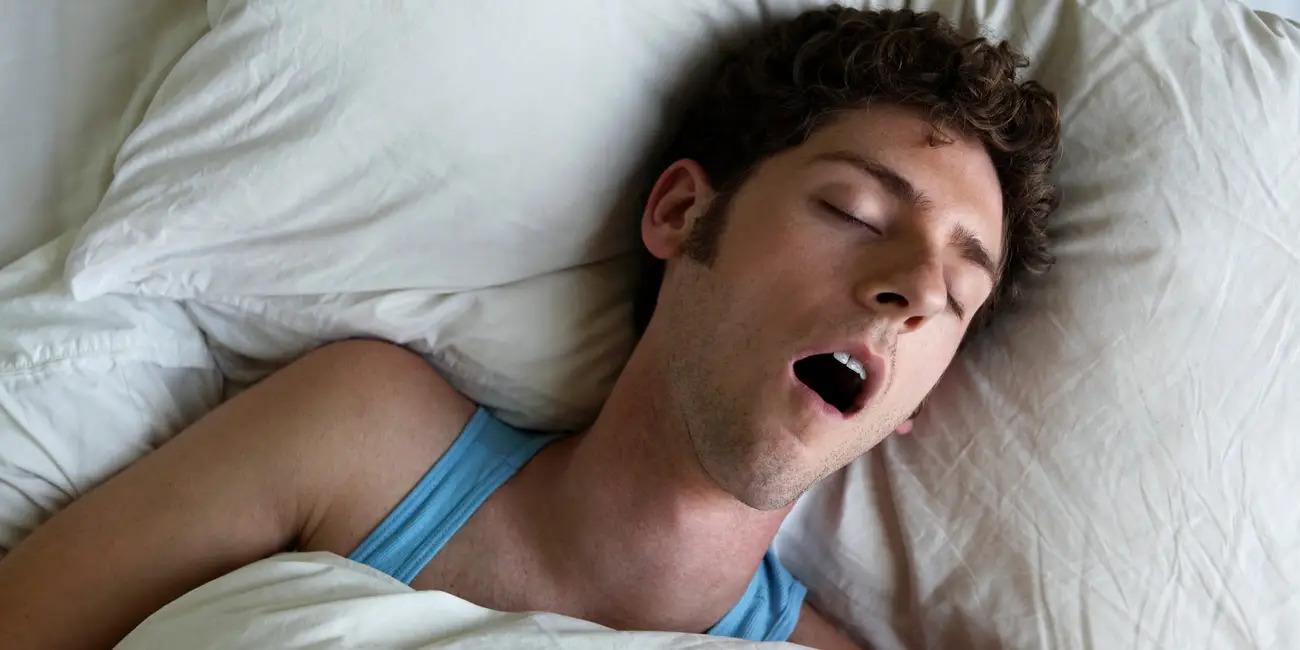
Snoring is so common that many people treat it like a joke. One person falls asleep, the room starts rattling, and everyone laughs about it the next morning. But is snoring actually bad for you?
In some cases, yes. Loud or constant snoring can point to poor sleep quality or even breathing problems that affect your health over time.
If you have ever wondered why do people snore at night, the answer usually comes down to blocked airflow during sleep.
In this guide, we’ll look at what causes snoring, when it becomes a concern, the risks connected to it, and what you can do to sleep more comfortably.
What Actually Causes Snoring?
Snoring happens when air cannot move smoothly through your airway while you sleep. As the airflow becomes restricted, the tissues in your throat vibrate and create that rough, noisy sound. Sometimes it is mild and temporary. Other times, it becomes a nightly problem that affects your sleep and energy levels.
Airflow Gets Blocked During Sleep
Your muscles naturally relax while you sleep. That includes the muscles in your throat and tongue. However, when those tissues relax too much, they narrow the airway and make breathing harder.
Several things can increase the chances of snoring, including:
- Sleeping on your back
- Nasal congestion or allergies
- Drinking alcohol before bed
- Being overweight
- Poor sleep habits
For example, alcohol relaxes the throat muscles even more, which can make snoring louder. In addition, congestion from a cold can temporarily block airflow through the nose.
Well, here’s the thing, sometimes snoring shows up only during allergy season or after a long exhausting day. In other cases, it becomes part of a person’s normal sleep routine without them realizing how serious it may be.
Some People Are More Likely to Snore
Certain physical traits can also increase the chances of snoring. People with narrow airways, enlarged tonsils, or a deviated septum often deal with more airflow restriction at night.
Age can play a role too. As we get older, muscle tone naturally decreases, including in the throat area. Moreover, weight gain around the neck can place pressure on the airway and make breathing noisier during sleep.
Understanding the cause matters because not every kind of snoring carries the same level of risk. That brings us to the next question many people ask.
Is Snoring Always Dangerous?
Not necessarily. Occasional snoring is very common and usually harmless. In fact, many people snore from time to time without having any serious health issue behind it.
Occasional Snoring vs Chronic Snoring
You might snore after a stressful week, during a cold, or after sleeping in an awkward position. That type of snoring usually fades once the trigger disappears.
Chronic snoring is different. If it happens almost every night, becomes very loud, or interrupts breathing, it may point to a deeper sleep-related problem.
A lot of people joke about snoring until they realize they never feel rested, even after a full night in bed. That constant tired feeling is often the first sign that sleep quality is suffering.
When Snoring Starts Affecting Daily Life
Snoring can interrupt sleep without fully waking you up. As a result, your body may never reach the deeper stages of rest it needs.
Over time, this can lead to:
- Morning headaches
- Trouble focusing
- Daytime fatigue
- Mood changes
- Irritability
Moreover, snoring can affect relationships too. Many partners struggle to sleep beside someone who snores heavily every night. While that may sound like a small issue at first, poor sleep can slowly affect both people in the household.
Sometimes the problem goes beyond simple sleep disruption and starts affecting overall health.
Health Risks Linked to Heavy Snoring
Heavy snoring can sometimes be connected to conditions that place stress on the body. The biggest concern is not usually the sound itself. Instead, it is what the snoring may reveal about breathing and sleep quality.
Sleep Apnea and Breathing Pauses
One major condition linked to loud snoring is obstructive sleep apnea. This happens when the airway becomes blocked repeatedly during sleep.
A person may stop breathing for short periods without even noticing it. In many cases, their partner notices gasping, choking sounds, or sudden pauses in breathing first.
These interruptions force the body to partially wake up again and again throughout the night. As a result, sleep becomes shallow and fragmented.
Heart and Blood Pressure Problems
Broken sleep and reduced oxygen levels can place strain on the body over time. Studies have linked untreated sleep apnea and chronic snoring to higher risks of:
- High blood pressure
- Heart disease
- Stroke
- Irregular heartbeat
Moreover, poor sleep can increase stress hormones and make the body work harder even during rest.
That is why ongoing snoring should not always be brushed aside as a harmless habit.
Mental and Physical Exhaustion
Sleep affects almost every part of daily life. When sleep quality drops, energy levels usually drop with it.
People dealing with heavy snoring often report:
- Difficulty concentrating
- Low motivation
- Forgetfulness
- Mood swings
- Reduced productivity
Even simple daily tasks can start feeling harder. You might sleep for eight hours and still wake up feeling exhausted. That disconnect between sleep time and actual rest is often a warning sign worth paying attention to.
So how do you know when snoring has crossed the line from annoying to concerning?
When Should You Be Concerned About Snoring?
Some signs suggest that snoring may need medical attention rather than home remedies alone.
Signs You Should Not Ignore
Pay attention if you notice any of these symptoms:
- Loud snoring almost every night
- Pauses in breathing during sleep
- Waking up choking or gasping
- Dry mouth in the morning
- Constant daytime tiredness
- Morning headaches
- Difficulty staying focused
If several of these symptoms happen together, it may be time to speak with a doctor or sleep specialist.
Children Can Snore Too
Many people assume snoring only affects adults, but children can snore as well. In some cases, enlarged tonsils or airway issues may interfere with proper breathing during sleep.
Children with sleep-related breathing problems may seem unusually tired, restless, or distracted during the day. Because of that, parents should avoid ignoring loud or frequent snoring in younger kids.
Should You See a Doctor?
You do not always need medical treatment for occasional snoring. However, frequent snoring combined with fatigue or breathing interruptions deserves attention.
Doctors sometimes recommend a sleep study to monitor breathing patterns overnight. While that may sound intimidating, the process is often straightforward and can help identify the root cause quickly.
The good news is that many people improve their snoring with small changes and targeted treatment.
Can Snoring Be Reduced Naturally?
In many cases, yes. Simple lifestyle changes can reduce snoring significantly, especially when poor sleep habits or congestion are contributing factors.
Small Habit Changes Can Help
A few adjustments may improve airflow during sleep:
- Sleep on your side instead of your back
- Maintain a healthy weight
- Avoid alcohol before bedtime
- Stick to regular sleep hours
- Treat allergies or nasal congestion
Even small improvements in sleep position can sometimes make a noticeable difference. However, results vary from person to person.
Devices and Medical Treatments
Some people benefit from nasal strips or mouthpieces designed to keep the airway open. Others may need more advanced treatment if sleep apnea is involved.
CPAP machines are commonly used for moderate to severe sleep apnea because they help maintain steady airflow throughout the night.
Sometimes fixing snoring is surprisingly simple. Other times, it takes a bit of trial and error before finding the right solution. The key is paying attention to patterns rather than ignoring them for years.
Conclusion
Snoring is common, but that does not always mean it should be ignored. While occasional snoring may simply come from congestion or sleeping position, loud and constant snoring can point to deeper sleep or breathing issues.
Over time, poor sleep quality may affect your energy, mood, focus, and even long-term health.
Knowing the warning signs and understanding the possible causes can help you decide when it is time to take the problem more seriously.
If snoring has started affecting your sleep or daily life, it may be worth taking the next step and starting to explore snoring treatment options that fit your specific needs. Sometimes better sleep begins with paying attention to the sounds you once brushed off as normal.